Pickens County Christian School
A small rural Mennonite school affiliated with Pickens Mennonite Church in Pickens County, South Carolina, is recruiting a teacher for grades 6-8. We welcome applications from both female and male candidates. The position offers competitive pay and comfortable housing. This role is for the 26-27 school year, with the potential for extension for additional years.
Contact Larry Strite: larry.strite2014@gmail.com
Teacher Needed
Small rural mission school needing teacher for upper grades. 26-27 school year
Contact Adrian Martin: martin.adrian9699@gmail.com

Teacher needed for Lake Grace Christian School in Jesup, GA
School Year '26-'27
We are looking for a teacher to teach either grades 6-8 or 9-11.
We are a small church school that is accredited by the state of Ga and is one of the church's missions to give our children a great christian education.
If you are interested in finding out more about this position please call 804-512-6757.


Low-Effort but High-Impact Ways to Get Your Students' Attention
It’s eleven o’clock on an ordinary Tuesday. You’re teaching history class; but as you look across your classroom, you’re not sure how much of what you’re saying is sinking in.
Sally is staring out the window. Michael is doodling in his notebook. Billy seems to be systematically destroying his eraser. Laura and Gloria are actually looking at you; but upon closer inspection, you see their eyes are unfocused and glazed over, so you’re not sure that counts.
In a situation like this, it can be easy to get frustrated at our students. After all, we’re working hard to present this information to them; the least they could do is give us their attention. We don’t have the time or energy to pack every single lesson with creative, innovative, attention-grabbing moments. Why can’t they just sit still and listen when we’re talking?
These frustrations may have some validity—yes, sometimes students are lazy with their attention. Sometimes they don’t choose well.
But on the other hand, do you remember what it was like to be a student? Listening with focus and intention all day long gets very exhausting. Or just think about how easily your own attention wanders on a Sunday morning while listening to a sermon. It’s not that you don’t want to listen or that you’re trying to get distracted. It’s just that the human brain struggles to sustain attention on one thing for an extended period of time. (And if that’s true for us as adults, how much more will our students with still undeveloped brains struggle?)
The good news is that there are some simple, low-effort tricks you can pull out at a moment's notice that will help grab your students’ attention again. Often, we don’t need to do anything elaborate or earth-shattering.
The human brain is wired to focus on the unexpected. And while that is the driving force behind students zoning out (one person talking for fifteen minutes is too consistent to strike the brain as novel), it also means that just a small variation will be enough to make you the most interesting thing in the room again.
Here are some ideas of simple ways you can regain your students’ attention:
Talk in an accent
You’d better believe that in the scenario described above, if you suddenly started talking in a British accent, you’d become much more interesting to Billy than his shredded eraser. Obviously, this one only works if you can, in fact, talk with an accent. But students usually don’t mind if your accent is inconsistent or imperfect. They’ll just be intrigued by the randomness and delighted by the touch of silliness.
Tell jokes
Kids love jokes—even if they are corny. Do a bit of work beforehand and look up jokes and puns related to your lesson. Sprinkling some jokes in throughout the lesson will be both a natural way to attract their wandering attention as well as a nice brain break for your students.
Use voice variation
Particularly in a lecture-based lesson, don’t underestimate the power of your voice. Drop to a whisper. Add dramatic pauses. Use different voices for different characters in your history lesson.
Stand on your stool or desk
This one is so simple and only takes a few seconds of forethought, but it works surprisingly well if not overused.
Include call and response
This is probably most natural in a context like math class, where you can solve problems on the chalkboard and have students call out the answers to calculations as you go. However, look for ways to add whole-group input to other lessons as well. If you’re reading from a textbook, have everyone join in the last word of each sentence. If you’re teaching a process with a set of steps, write the steps on the chalkboard and have the students call out each step in unison before you do it. If you’re working with marking grammar sentences, prompt students to call out the answers to prompts like, “Verb? Subject? Prepositional phrase?” etc.
Use your students’ names
This one is particularly effective for younger students, though in the right context older students will enjoy it as well. When giving examples, try to include your students and their lives. Re-write story problems to include your students or scenarios in your classroom. When dictating spelling words, make up sentences about your students (it can be especially fun to have a story or theme that continues from week to week. For example, one year during our spelling tests I made up stories about our class going on weird field trips as I dictated the spelling words for the week).
Be ridiculous sometimes
This is somewhat related to the previous tip, but children love to have their imaginations engaged. Often, the sillier or more outlandish something is, the more fascinating they find it. This can be easily applied in math story problems. Instead of Mr. Carter going to the grocery store to buy 36 oranges and put them into 4 bags, have Mr. Carter need to herd 36 rhinoceroses into 4 cages. Instead of just determining how many strokes per minute John is canoeing, recreate the scenario to have him canoeing across a river of hot lava—and he will only survive if he can paddle at least 45 strokes per minute.
Adjust examples to include unexpected elements like giant gummy bears or chocolate waterfalls or a herd of llamas or the school principal. This simple switch from the expected to the unexpected can be incredibly powerful.
Have a “secret word”
This one will take a bit of advanced preparation, but it can be especially helpful for a lesson that you know will include a lot of lecture time. Before you start teaching, tell your students that you’ll be saying a certain word a certain number of times throughout the course of the lesson. They need to try to figure out what the “secret word” is. The word could be related to the lesson, or it could be a random word that you include in creative ways (this is why some advanced planning will be necessary). Plan the specific times you will use the word. Have them written down on a paper in front of you. You may find your students will listen more closely than they ever have before!
Wear a hat or costume
Come up with a simple piece of headwear or costume that relates to the lesson. Your students look at you all day long; changing your appearance can add interest and novelty.
Change position
Have students sit backwards in their desks and teach from the back of the classroom for a while. Let them sit on the floor or on top of their desks for part of a lesson. Include chances for them to stand or use their bodies in other ways. (For example, Touch your elbow if you think A is correct and touch your nose if you think B is correct. Solve this problem and lift your feet off the floor once you’re finished. Put your hands on your head while we read this paragraph. Now put your hands on your shoulders while we read the next paragraph.)
It might seem like these things are so simple that they’re not worth the extra effort or potential distraction, but movement is essential for optimal brain function. Getting in the habit of doing things like this helps students keep their entire bodies engaged in the learning process.
Switch roles
This works best for reviewing previously-learned concepts (which is another prime time when students are likely to zone out). Tell students that they’re the teacher now, and they need to tell you how to do something. You could go around the room and have each student say one sentence, letting them build on each others’ answers. You can also use this as a chance to make them really think about each step of a process; feign cluelessness and let things go awry if they give incomplete or vague instructions.
Maintaining student attention can be a constant battle for a teacher. But sometimes, small and simple things can be the most powerful weapons in your arsenal.
Lighthouse Christian School
2026-2027 Term
Now Hiring: Inspiring High School Teacher
Join Our Mission. Shape Tomorrow’s Leaders.
Are you a passionate educator who believes teaching is more than a job—it’s a calling? Our private school is seeking a dedicated High School/Middle School Teacher who is committed to academic excellence, character development, and creating a positive, engaging learning environment for students.
What You’ll Do
Teach and mentor high school students in a supportive, faith-centered environment
Inspire curiosity, critical thinking, and a love for learning
Build meaningful relationships with students and families
Collaborate with a team of caring, mission-driven educators
Contribute to school events, activities, and a vibrant school culture
What We’re Looking For
A passionate teacher with strong classroom management and communication skills
Ability to connect with and motivate students of varying abilities
A heart for serving, leading, and helping students reach their full God-given potential
Energetic, dependable, and committed to excellence
Why Join Us?
Supportive leadership and a family-like atmosphere
Small class sizes that allow you to truly invest in each student
Competitive pay and opportunities for professional growth
A safe, faith-based environment where values matter
The chance to make a lasting impact—every single day
⸻
If you’re ready to teach with purpose, we’d love to meet you!
Submit your application to office@crf.farm or call 618-218-5397
Midwest Teachers Week 2026
Theme: Building Servants for God’s Kingdom: Kingdom Service
If I Could Do It Over | words of wisdom from the experienced
Beginner Teacher Training Track | Six Sessions designed for first year teachers.
1st Grade Track | A series of workshops designed for first grade teachers
Subject Specific Sessions (Math, Language, Literature, History, Writing, Music, Geography, Etc).
Choir, First Aid, Science
Science Demonstrations: “Science is a Verb”
Sessions for Wives of Teachers
Sessions for Board Members (Wednesday)
Boards Supporting Our Teachers Authority - Aaron Derstine
Boards Working Together - Jason Miller
Teacher Recruitment
Healthy School Administration - Kendall Myers
Coffee Break for the Board
Teacher Inspiration
A Role Model for Kingdom Service
A Tool Box for Kingdom Service
A Vision for Kingdom Service
Teacher Rejuvenation

Hiring: Friendly and Organized Administrative Assistant for Our Front Office Team
Faith High School is seeking an organized and friendly Administrative Assistant to support daily school operations. This role focuses on office support, communication, and helping to keep the school running smoothly.
Responsibilities
Welcome and greet students, parents, and visitors at the front entrance with a smile
Manage emails, answer phones, and support communication between staff, students, and families
Assist with scheduling events and activities
Perform financial bookkeeping, payroll processing, and student and parent paperwork, and maintain organized documentation
Maintain office supplies and ensure general organization of office and staff areas
Provide administrative support to school leadership
Preferred Qualities
Experience as a secretary and familiarity with financial software
Strong professional communication skills
Ability to multitask, take initiative, and work independently
A friendly, helpful, and joyful attitude
How to Apply
Please submit your resume to office@faithhighschool.org or call at 717-442-8818.

Getting Students to Write: The Power of Suggestion
Getting students who don’t like to write to do just that can actually be an incredibly easy thing to do—just give them suggestions of topics they enjoy and a few leading sentences to get the gears in their brains moving.
First of all, you’ve got to know your students well enough to know what they like. (Journals are great tools for this. They will write [especially the boys] about things that they might not tell you otherwise.) Listen to their conversations and watch what they do.
This month, I’ve had two of my more challenging students, (when it comes to writing anyway), write some of the most creative work I’ve ever seen them do, all because I just suggested topics that they enjoy.
The first was a parallel story assignment for a junior high school English class. This student loves three-dimensional printers and anything that has to do with them. I went to the first-grade classroom, grabbed a handful of books (part of the assignment), suggested the topic of three-dimensional printers, said something like, “One printer, two printer, green printer, blue printer, and then you just keep going like that!” and got this:
One printer, two printer, red printer, blue printer,
Black printer, blue printer, old printer, new printer.
This one is printing a little blue star.
This one is printing a tiny black car.
Wow! What a lot of 3-D printers there are.
Some are red, and some are blue.
Some are broken. And some are new
And some are very, very fast.
Why are they broken and new and fast? I don’t know.
Go ask your class.
Some are small. And some are tall.
From there to here, from here to there,
3D printers are everywhere.
Some print two colors and some print four.
Some print six colors and some print more.
Where do they come from? I won’t say,
But if you buy one, you won’t be in dismay.
- Isaac Weaver
No, it’s not Shakespeare, but the enthusiasm with which this student was writing and then editing it was honestly inspiring.
Another student in another class was working on a speech. When I suggested his favorite interests – flying and woodworking for topics, he began working on a detailed outline. It was the most thorough one I’ve seen him do in three years. It included not just subtopics A and B but a few Cs and Ds as well, with numerous Arabic numerals 1, 2, and 3 under the subtopics. His introduction was revised before it was ever handed in. I was incredulous.
Give your students ideas beyond the suggestions in the textbooks. Think of creative topics that you know they enjoy and would be excited about. Give them a sentence or two to steer them in the right direction. Cheer them on and then enjoy the results.

You Don't Just Teach
You don’t just teach.
You inspire.
You explain the economics of supply and demand to the fascinated face of a boy who grows up to start a business that flourishes and brings life to his community.
You teach the songs and explain the music theory that ignites the spark of a young composer who goes on to write music that touches hearts and draws many to worship.
You assign the creative writing assignments that cultivate the imagination of a girl who will raise a band of children who live in wonder with their eyes wide open to the sparkle and awe of this beautiful world.
You teach the intricacies of trigonometry to the young mind that will continue to think in angles and lines, engineering buildings that stand like monuments of stability and strength.
You read a missionary story and a seed is planted in a heart, a seed that grows into a passion that sends that child-now-grown-up to share God’s love in the wilds of the jungle, in the village of mud huts, in the heights of a city skyscraper, or in the streets of suburban America.
No, you don’t just teach. You inspire.
And you shape.
You assign the boring math fact worksheets that sharpen their minds and develop their perseverance.
You settle the squabbles and elicit the apologies that grow their empathy and humble their pride.
You coax them through the complex calculus equations that teach them grit and higher-level thinking.
You teach them how to listen when a classmate is talking and pay attention even when they think they already know what they’re doing, because for the rest of their lives they will be involved in communities of people who deserve to be listened to and respected.
You squash the unsportsmanlike comments and teach them that everyone deserves to be involved in an activity, regardless of natural skill.
You introduce them to the literature stories that will slowly change the way they see the world, the people around them, and their very own hearts.
No, you don’t just teach. You shape.
And you prepare.
You don’t just teach spelling and grammar, math and science, history and social studies, music and art. You don’t just grade papers and plan lessons. You don’t just decorate bulletin boards and make PowerPoints.
You are passing on the knowledge and skills that will grow the next generation of doctors and nurses, carpenters and plumbers, pastors and writers, accountants and entrepreneurs.
You are equipping mothers and fathers and singles, aunts and uncles and friends, brothers and sisters in Christ.
You are teaching the future of the church.
You don’t just teach. Oh, no.
You inspire. You shape. You prepare.
And by the grace of God, the world will look different tomorrow because of your efforts today.

How to Get Students to Pay Attention in Class
While some teachers feel that it should not be part of our jobs to keep our students’ attention, it certainly is annoying to be teaching and to have students disengaged. I loved school and usually didn’t find it too hard to pay attention, with one exception. I clearly remember an afternoon biology class with a kind and well-meaning but extremely boring teacher. He had a soft, calming, monotone voice and droned on and on without doing much of anything different or interesting. Other than an earthworm dissection and the time I fell asleep and literally woke up with drool running down my chin, I don’t remember much of anything exciting about that class. Somehow, I do remember much of what I learned, but it took a lot of effort on my part. It was honestly one of the most boring classes I can ever remember.
It’s not that difficult to keep our students’ attention if we apply a few techniques. It is part of our responsibility to try to keep our students interested and not to be boring ourselves. Here are a few suggestions of ways to keep your students engaged in whatever it is that you are teaching:
Vary your volume. Have a regular speaking/teaching voice that you alternate with your soft voice (for emphasis) and your loud voice (for attention).
Be interesting and animated. Use your eyes and hands, make faces, and laugh. Obviously, our personalities are different, but this is something that we could all do more of.
Use humor. Everyone likes to laugh. Laugh at yourself if you make a mistake or trip over something. Tell a funny story that relates to what you’re teaching.
Use your whiteboard! A teacher’s voice becomes at least twice as interesting when he or she is writing on the board at the same time, illustrating the point.
Drawing pictures is even better. Use different colors. If your own art isn’t great (mine certainly isn’t), draw anyway. The not-so-great illustrations are usually funny, which will help you with point number three.
Put your most sleepy, unengaged student in the front row right in the center. Emphasize your points by pounding your fist on that student’s desk if they start to nod off to sleep.
The class period right after lunch can be the most challenging. If your students begin to tune out, have them stand up, touch their toes, shake their arms and legs, walk around their chairs, and/or touch a wall before returning to their seats.
Variety does wonders for student morale as well. Move their desks around often, rearrange your room to face a different direction, or change your decor.
Involve them as much as you can in your lessons. Have them read aloud, answer questions, work math problems on the board, or do hand motions for some science or math concept.
Model paying attention yourself. If you have a guest speaker or if a student is giving a speech, sit up straight, smile, nod your head, ask questions, etc.
Point this out to your students ahead of time so they will notice and pay attention to your good example.
It’s part of our responsibility to ensure that our students are engaged in learning; do what you can to aid them in the process.

Pioneer Christian Academy
Looking for an opportunity to make a difference?
Pioneer Christian Academy in Brownsville, Oregon is a community Christian school in the Willamette Valley. We have a mission to "help students from all walks of life achieve Godliness, success, and a love of learning". www.pioneerchristian.org
We have two opportunities avaliable!
Middle school science and math teacher.
We are also looking for a someone intersted in volunteering as an elementary aide. (housing is provided)
You can reach out to Chad Schrock
chad@pioneerchristian.org
(417) 893-8756

Urban Teaching Opportunities at Tidings of Peace Christian School
Tidings of Peace Christian School in York, PA is hiring for the following positions. Please contact Tyler Burkholder at tburkholder@tidingsofpeace.org for more details.
Elementary Aide: Assist all of elementary as needed with daily routines/tasks. Teach 2-3 classes across grades 1-6. Monitor recess times for grades K-6.
Elementary Homeroom Teacher: Take primary responsibility for the overall wellbeing of the students in the grade or grades assigned to you. Teach classes to the grade or grades assigned to you and possibly rotate with other elementary teachers as needed to allow for teachers to teach the subjects they are strongest in. Participate in monitoring recess times as scheduled.
Assistant Cook: Assist the head cook in managing the kitchen, preparing the meals, and lunch cleanup. Must complete ServSafe Certification. Whoever fills this position will likely have the opportunity to teach some as well.
High School Subject Teacher: Teach five or six classes to grades 7-12. Assist the secondary department in breaks and other activities. Musical talent/skill would be a huge bonus!
Maintenance/Director of Internship: Work part time in maintaining the school building and the three houses owned by the school. Work with a committee and the administrator to expand a new internship program that was just started this year. Will likely be involved in some teaching as well.
Teachers Week Ontario 2026
Each August, Arthur Christian School in Arthur, Ontario hosts an event to promote the development of teachers.
Teachers Week Ontario is packed with main sessions, workshops, and breakouts for new and experienced teachers. Evening activities enable attendees to share ideas with each other or enjoy reprieve from the content of the day.

Western Fellowship Teachers' Institute 2026
18th Annual Western Fellowship Teachers’ Institute—Halsey, Oregon
Providing an organized way to edify, encourage, and equip Christian school teachers and school board members to give spiritual nourishment, provide academic excellence, and exercise proper administration in educating our children.

When Grief Visits Your School
In January of 2025, we were gliding into the second half of the year with strong momentum. Our daughters were doing well, getting good grades, and learning a lot. However, toward the end of January, our lives came to a screeching halt when my dad passed away suddenly from complications related to his cancer. This was not a new diagnosis but a sudden change in his condition that caught us off guard.
Suddenly my daughters, who were 9 and 8 at the time, were faced with some of the most difficult questions in life as they watched their last living grandpap lie unresponsive at his home, his body slowly dying. This was followed by the never-ending question of why we would put their grandpap in the ground and cover him with dirt. These ten days were fraught with sadness, grief, and many questions; but the grief did not suddenly disappear when our children entered back into school. They carried grief back to their classrooms and to their teachers and co-students. Thankfully, our teachers were very in tune with the situation and were able to assist our children with their grief.
What will you do when a circumstance outside of the classroom—such as grief, broken homes, or church problems—comes to visit? We will explore some things that were a blessing to us as we navigated this journey with our children’s teachers. Our children did not have any major problems during this time. We attribute much of this to their teachers’ engagement. This is not an exclusive list of ways to interact with grief or pain, but merely some suggestions to assist you in thinking about what this might look like.
One of the first things that the teachers did so well was that they did not act awkward toward our children, but rather they embraced their grief and entered into it. They allowed our children to share with their classmates about their last 10 days. This brought a sense of Christian community to the classroom. The grandchildren sang “Wings of Faith” by Rose Biehn at the funeral of my dad. This became a favorite for our family, but especially with our little second grade songbird. She asked to teach this song to her classmates. Her teacher got the sheet music from us and learned the song with the class. Pretty soon, we learned that this song had entered into the spring program repertoire. It was very difficult to hear the school sing that song at the spring program, and yet so healing to see the other children in an innocent way lean into that grief. This was only possible because the teachers, months earlier, were willing to model this Christ-like spirit to the children.
Another wonderful blessing was that our teachers understood that a student’s expression of grief may look different than an adult’s expression of grief. We parents and our teachers were not interested in creating an environment that tolerated bad behavior. However, the teachers did well at giving space for mixed-up emotions. In children, these mixed-up emotions sometimes come out in ways that may not fit in the box of what we think of as typical responses to grief. There were times when some of our students needed a little space, a little grace, and a little bit of tough love. Each situation was different, but the one thing that our children experienced was a space in which they were allowed to safely experience grief as it came to them.
The third thing that happened, which was an irrefutable benefit to us, was teacher engagement with us as parents. We communicated almost daily with the teachers as new things arose and even as things stayed the same. They kept us in the loop about how our daughters were doing in school and how they were coping. A teacher has a lot of things to do, so spending time messaging a parent nearly daily, providing updates and their perspective, was life-giving to us grieving parents as well. This level of care helped us release our children back to school during the school day. After a death it can be easy to try to pull everything that is dear very close to you in fear that it too will disappear. So, when we saw that our teachers were willing to engage with us, we were able to relax and trust that our daughters would be well cared for even when not physically near us.
As a teacher, an administrator, or a school board member, we are faced with many situations in which we see specific behaviors. While the behaviors themselves must stop because they are not acceptable or do not fit the norms of our culture, we should also step back and find out if grief or pain has stopped by our school. Maybe it isn’t something as overt as death or some catastrophic event that triggers these trauma and grief responses. (In our situation, the teachers understood the cause of our children’s grief.) Sometimes the problems facing our children are buried deep within injured hearts that are crying out for help.
In dementia care, we often talk about how behavior is a means of communicating other needs. This is often true for children as well. As those working with students, our goal should be, first of all, to create a space for each individual to just “be”—where the child knows that in this space there is safety and comfort. In this space is God’s love abounding. Our grief and pain, when it comes in contact with God’s endless love, is not immediately dissipated. However, when provided with the safety to just “be,” much of the behavior has ways of coming out more constructively. We can then meet the actual need and not just fix a symptom.

Urban Teaching and Daycare Opportunities
Hampden Christian School in Baltimore, MD has the following openings.
2 yo head teacher
aftercare teacher/floater
elementary subject teacher
Grades 5-6 homeroom teacher.
Please visit our website and click "more details" for a complete description of each opportunity.

End-of-Year Reflection
John Dewey, known for his influential education reforms in the early 1900s, once said, “We do not learn from experience . . . We learn from reflecting on experience.”
Dewey raises an important point.
We can miss prime opportunities to grow if we do not put in the hard work of reflection.
Intentional reflection causes us to slow down and notice things that we might have missed otherwise. It forces us to grapple with aspects of self-improvement that we might otherwise ignore. It allows us to learn from our successes and failures, increasing the chances that we will replicate the first and avoid the second.
The end of the school year provides a perfect opportunity for reflection, both for the teacher and the student. Students can learn so much by being guided to answer reflection questions, both in what they can learn from the answers themselves and also in the practice of self-assessment. Teachers can learn valuable insights from the responses of their students that can help them to continue to teach in ways that will connect with students.
There is no right or wrong way to do self-assessment, but the following questions may provide a starting point for you.
Questions for the Teacher
What procedures and classroom rhythms worked this year?
What procedures and classroom rhythms did not work this year? What changes might be necessary?
What was my favorite subject to teach this year? Why?
What subject could benefit from extra energy this summer/next year?
What was a particular class that I can remember going really well in terms of student engagement? What may have contributed to that?
What was a concept that my students struggled to master this year? Can I identify what made it difficult for them?
What is a parent interaction that I feel I handled well?
What is a parent interaction I wish that I would have handled differently? What can I learn from that experience?
What were functional frustrations in the way my classroom ran on a daily basis? What systems could I put in place to make those aspects run more smoothly?
What did I learn about student relationships?
What did I learn about staff relationships?
What were the strengths and weaknesses of this particular group of students, and how did that impact my experience this year?
What did my students teach me about the heart of God?
How was God’s grace sufficient for me in the difficult parts of this year?
What was life-giving? What was life-draining?
How did I do with time management? What changes should I make next year in this regard?
What did I learn about myself as a teacher this year?
Questions for Younger Students
What did I enjoy learning about?
What was something that felt easy to me?
What was something that felt hard to me?
When was a time when I was a good friend to others?
When was a time when I felt angry? What can I learn about myself?
What was something I really enjoyed this year?
What was something I did not enjoy this year?
What was my favorite subject? Why?
What was my least favorite subject? Why?
When is a time that I tried really hard and did something that I didn’t think I could do?
What would I tell someone younger than me who is just starting ___ grade?
Questions for Older Students
What is an assignment or project that I completed this year that I feel proud of? What can I learn from that experience?
What is something difficult that I pushed through?
What is a work habit or study skill that I got better at this year?
What is a work habit or study skill that I should focus on improving next year?
What is something we learned about that made me excited?
What was my favorite subject? What can that teach me about myself and who God created me to be?
What are some things I learned about relationships this year?
When was a time that something difficult happened and I handled it well?
When was a time that something difficult happened and I handled it poorly? What can I learn from that experience?
What advice would I give to someone younger than me about how to do well in ___ grade?
IMPAC Communication Conference
IMPAC Communicatin Conference is an event for preachers, professionals, and, most importantly, teachers who want to improve their public speaking skills and communications ability. We teach five simple, foundational principles of public speaking, then teach you how to apply those to your teaching and speaking. The event involves classes to help you learn the concepts, personal coaches who help you apply them specifically to the ways you do public speaking.
For more information or to sign up, you can visit our website.
Positions available at Canon Christian Academy, Canon City CO
Canon Christian Academy seeks a 7th-8th homeroom teacher. Ability to teach HS Math a plus.
Canon Christian Academy seeks a 5th-6th grade homeroom teacher.
Canon Christian Academy seeks a 1st-2nd grade homeroom teacher.
All classes are conventionally taught.
Our school uses A Beka in K-6. 7th-HS uses A Beka for math. The 7th-8th grade teacher shares teaching responsibilities with the HS homeroom, so some HS teaching is possible depending on ability, interest, and experience.
See the Middle school job description for more details or call Mr. Roth 214-354-5436.

The Apple Tree
There was once an apple tree who spent her days helping things grow.
It wasn’t always an easy endeavor, or a pleasant one. Some days, the sun beat down with relentless heat, and it didn’t feel like she was going to have what it took to keep the apples alive. Some days, the wind tore through her branches, and she hung on tight and did the best she could. Some days, she felt weak all the way down to her roots, and she sighed and reached inwards for her last dregs of depleted energy.
But other days, it was a delightful, rewarding task. These little apples, so small, so vulnerable, needed something, and she was able to give it to them. She remembered the first day the blossoms had opened their little pink faces, and how exciting it was to imagine the changes that would happen to them in the coming months. She thought about how they had grown larger and stronger, and how proud she felt of the progress they had all made. She thought about how they had slowly grown vibrant with colour, and how wonderful it was to know that they were maturing into what they could be.
She lived in an orchard, surrounded by other apple trees who were nurturing their own crops of apples. Except, she secretly worried to herself sometimes, they were probably doing it better than she was. Their apples looked bigger than hers, shinier than hers, and definitely healthier than hers. She knew she shouldn’t compare, but it was hard not to sometimes.
Plus, she would never know all there was to know about growing things. She would never be able to do it perfectly, no matter how much she learned and no matter what she did. There would always be dry stretches and the dreaded fungus and rot. Despite her best efforts (and oh, how she tried not to let these things happen) she didn’t always succeed. Sometimes, her best just wasn’t good enough. It made her feel very small.
But other times, the startling significance of what she did almost made her panic.
Her job was to help things grow. It was to provide them with what they needed to develop and thrive. It was rather important. It carried a lot of responsibility. She could fail in a hundred little ways every single day. And really, that terrified her.
It was the Farmer who helped her. He chose the number of things she would grow, and how many days they would spend with her.
And He knew best.
But sometimes, she forgot that. She took successes—and failures—very personally.
There were days when she forgot to thank the Farmer for his help. There were days when she marvelled at the growth she had caused. She felt satisfaction deep in her tree heart. She forgot that she had not done it on her own.
And then, there were days when she forgot to ask the Farmer for help. There were days when she didn’t think she had what it took to help things grow anymore. She felt that she had nothing left to give. She forgot that she did not have to do it on her own.
And then, there were days when she forgot to trust the Farmer’s help. There were days when she didn’t understand how he was helping her. She felt confused by the sting of the pesticides and hurt by the snap of the pruning shears. She forgot that she could not do it on her own.
And then, harvest time came.
She sighed until her leaves trembled. In many ways, she was grateful for harvest. Her branches were growing very heavy, and she was weary.
But on the other hand, it was hard to let things go.
It could be hard to believe that she had done what she could and leave the rest in the Farmer’s capable hands. As her apples were taken away, she couldn’t help but notice all their imperfections and secretly feel that she was to blame.
But in those moments, the Farmer knew. He placed His gentle hands on her weary trunk and whispered words of truth that seeped into her very core.
Your job was to do the best you could in the midst of the circumstances you were given. And even on days that were not easy, you kept helping these apples grow.
That is all I have asked of you. That is all I require of you.
Don’t take expectations upon yourself that don’t even exist.
I’m asking you to help these apples grow for a season and then let them go. Trust me to take care of them—and you.
You have done well, my faithful apple tree.


At Decision Time
The request has been made. The deadline is approaching. And still, you are wrestling with a decision. Do I go or do I stay?
For some of you the question is, “I love my job. Do I really need to quit teaching?” For others, it is, “I like what I’m doing. I see the need, but the possibilities of next year look overwhelming.” And yet others are thinking, “The need is great, but am I truly the one to fill it?” You look somewhat enviously at those teachers who readily make their decision.
Take courage. In whatever lies ahead, you do not go alone. Seek wisdom from God and His Word. Seek the counsel of others. Hear what trusted individuals are saying.
Explore the reasons you have for not returning to the classroom. Many of those reasons have a call that is beyond the classroom. Ill health, burn-out, providing care for others, or the need to be a homemaker in your own home can all be good reasons to not return. Teaching is stressful and demands much from a full-time teacher. You cannot do two demanding tasks without sacrificing quality.
To my co-teacher who is struggling with the realization that teaching interferes with her being a homemaker and wife, I say, “Go with God. Your absence will be felt. But you have a higher commitment, now, than only being a schoolteacher.”
To the first- or second-year teacher who is unsure that teaching is their strong point, I give you the example of another co-teacher, who had decided to quit after one year because they felt they lacked qualifications. But when the new school term approached and there was no teacher to take her place, she reconsidered. Today, she is a very valued member of the team. Teaching is not a job that one can jump into and be totally competent. Every year you teach builds experience. If others are encouraging you to keep teaching, give some thought to their advice.
For some teachers, awareness of what the next year may hold brings a reluctance to commit. The number of students, the challenges of the students, the co-teacher drama, the ability to work with certain parents, the need to fit into a particular framework, or other obstacles may look overwhelming. Be realistic and understand who you are and how you handle stressful situations. But also, do not be afraid of the challenge. We aren’t promised an easy path, but we are promised that God’s presence will go with us. It is in the hard and challenging that we learn to trust the most and grow the most.
Do you go or do you stay? Only you can truly answer that question. Wherever God calls, He equips, provides, and grows. Whatever your decision, trust Him to work in you and through you.

Faith Builders Teachers Week 2026
Near the heart of the mission of Faith Builders is our commitment to training teachers. Each year in August, Faith Builders hosts around 350 teachers and school staff at Teachers Week in Guys Mills, PA. Our goal is to provide resources to promote and sustain the vision for quality Christian education.
Teachers Week is packed with main sessions, workshops, and breakouts for new and experienced teachers. Evening activities enable attendees to share ideas with each other or enjoy reprieve from the content of the day.
Workshops and breakouts discuss teaching, history, science, math, literature, spelling, Bible, and more. Teachers Week is scheduled a week or more before school usually starts in the fall to give teachers a place to generate ideas, energy, and vision for the coming year. Attendees have found this event to be a focused week of practical content and ideas sharing built on a foundation of biblical teaching and refreshment.


Teacher Wage Survey 2026
The CSRC is inviting school boards to participate in a Teacher Wage Survey. It was eight years ago, in 2018, that we did the first one.
Please fill out ONE SURVEY FOR EACH TEACHER.
Deadline is April 21, 2026. Please complete as soon as possible.
Only those who submit a completed survey will receive a copy of the results.
Offline Survey
If you can’t access the online survey, please contact Marlin Weber and he will email you a PDF version or send it by fax.
Contact Info
Contact Marlin Weber if you have any questions about this survey.
Cell: 519-493-0047
Email: marlin@wemachine.ca
CSRC fax: 519-964-8350
Positions Available at Maranatha Christian School
Maranatha Christian School is located in Watsontown, Pennsylvania. We have 143 students enrolled this school year (25-26) and are expecting to have similar numbers next year. We have a variety of Christian families here, ranging from Mid-Atlantic Mennonite to Baptist and non-affiliated. Much of our curriculum is either Abeka or Christian Light Publications. At Maranatha, we seek to help our students grow in their knowledge and relationship with Jesus Christ and to provide them with quality education.
4th Grade Teacher - Maranatha is looking for a teacher for our fourth grade class. Our projected enrollment for fourth grade next year is 11 students. If you are interested in this position, please contact the school at (570) 649-5141.
Administrator - Maranatha is also looking for a full-time administrator. Position includes leading staff meetings and student chapels, communicating with the board and staff, office work, upholding discipline, and student correction. We are specifically looking for someone who understands and has a passion for education, who has a heart for people, especially young people, and who is not afraid to stand for truth. If you are interested in this position, please contact our board chairman, Austin Brubaker at (570) 492-2680.


The Encroaching "Zombie Student Culture"
I must admit that when I first began reading and hearing about the long term effects of the internet and screen time on students (as well as students using the internet and AI to cheat on assignments) I largely dismissed it because I thought (naively), “This isn’t affecting our Anabaptist schools because our parents know better than to let their children spend inordinate hours on the internet, plagiarize, or play online games for hours.” Sadly, I am concerned about it now.
A colleague recently shared with me the article “What’s Happening to Our Students?” and I am indeed worried, because although most Anabaptists are usually a little behind pop culture and its trends, the Internet has allowed us to be almost, if not completely, caught up with the world and its trends. We are definitely being affected by it and are headed in the wrong direction.
I have talked to several teachers who confirm that this is true in our schools as well, and all agree that they have seen the effects (although not as dramatic as in public schools) in our schools. This is especially the opinion of teachers who have taught ten years or longer. One teacher had overheard her second graders (who were tired and not focused on their work) talking to other students about staying up late and using their big brothers’ accounts to play online computer games with each other after school and in the evenings.
This makes me want to cry, or bang my head against a wall, or both. These children should be outside riding their bikes, climbing trees, and building tree forts with their fathers. Unfortunately, some of them head home from school to retreat to their bedrooms, shut the doors, and play online games, staring at a screen and interacting online with people they just spent seven hours with in real life at school.
I have two questions.
Why is this happening in our Anabaptist schools?
What are the parents thinking?
I have some suggestions for answers.
I believe that this is happening because we are just a few steps beyond secular society. Regrettably, the lure of being cool and fitting in, which is greatly influenced by social media, is extremely appealing to the parents of our students, the 25-40 year olds, many of whom are buying into the new norm of Youtube influencers, Instagram, and Facebook likes; along with all the hype, lingo, fashion, and accompanying mannerisms.
This is exactly the opposite of what God instructs us to do in His word: "Wherefore come out from among them, and be ye separate, saith the Lord, And touch not the unclean thing; And I will receive you." 2 Cor. 6:17.
Woefully, this is the answer to question number two as well. The only other option is that the parents are simply not aware or are not monitoring the activities of their children, which is equally as bad. The end of that verse is frightening. Will God receive this?
Many of our Anabaptist brethren are just steps behind the world, and the resulting consequences are becoming apparent in our schools. Students are becoming more and more tuned out, overly stimulated mentally from other more entertaining sources. They are becoming bored with maps and interesting history and science facts. They are more enthralled by computer screens and online games than they are teachers, math problems, or English grammar.
There is almost nothing the teachers can do except to gently warn our students of the dangers of such behavior. From what I have seen and heard from other teachers, the students will politely listen and then go back to their same activities. It is the parents who need to be aware of the dangers and be proactive about this hazardous situation.
We can make parents aware of what we are hearing at school, but this obviously can be unappreciated and labeled as “tattling”, unless the parents ask us directly, which rarely happens.
In conclusion, what we can do is to pray for our students, pray for their parents, set a good example ourselves, and to cling to Paul’s words: “whatsoever things are true, whatsoever things are honest, whatsoever things are just, whatsoever things are pure, whatsoever things are lovely, whatsoever things are of good report; if there be any virtue, and if there be any praise, think on these things.” Philippians 4:8


Fun Ways to Practice Spelling Words
Games like these can help to make learning spelling words competitive, creative, and fun. Of course, good, old-fashioned copying the list is still the simplest and most efficient way to practice spelling words. But this can so quickly become tedious and dull, causing students to turn their brains off. On the other hand, when student’s minds and imaginations are engaged through games and activities, their whole brain is activated to learn more effectively.
College Student Weekend 2026
College education can be an opportunity for Christians to learn more about the creation of God and interact with people from a variety of backgrounds and beliefs. At the same time, this opportunity comes with a unique set of challenges socially, spiritually, and intellectually. For example, conservative Anabaptist college students are often a minority in both their churches and colleges.
Who: We welcome applications from full-time and part-time college and university students currently in school and/or planning to begin a program in the next academic year. Registration priority is given to full-time students and students who are currently in school and will continue their studies next year.
Where: Faith Builders hosts the College Student Weekend at the River Ridge Mansion, an early-20th-century mansion built by an oil baron near Franklin, PA.
When: College Student Weekend 2026 begins on the afternoon of Friday, July 3, and continues through lunch on Sunday, July 5.
Cost: The cost of attendance is $255 per person, including two nights of lodging and five meals. The event is limited to 48 participants. Registration is required.


Science Alive 1-2
The inspiration for the creation of Science Alive began when I was teaching in a first and second grade classroom. One of the years I taught, the children had quite a bit of spare time, so we would have impromptu classes on the digestive system or whatever else I happened to field a question about. It didn’t take me long to begin recognizing that the children seemed to retain this style of learning almost better than what they considered work. I wished at that point to have a science curriculum that started out based more on input than output.
However, I didn’t really begin to do anything about this dream until I began to teach the Living Threads curriculum for history class. Then the lightbulb moment hit. I could use similar methods to teach science.
Since this curriculum is designed for multiple grades at the same time, you can guiltlessly hold a class that is amazingly distracting because they are all supposed to be involved. The curriculum is designed for grades one through three, with grade one skipping out on tests. They all take the same levels together and alternate levels for variety of learning. For example, the first-year grades one through three take level 1-2 together, the next year level 2-1. If you use this for three grades, first and third grade are a repeat level. The level is made to be taught three days a week for a 45-minute period for ½ of the term.
This curriculum is designed for the children to be paired up into partner teams. Generally, it works best to put an older child with a younger child for coaching purposes.
When teaching this class, there are a few basic structures I use to instill information. The first is constant review of facts you want them to have for life. There are a few extra pieces of information for the fast learners and for interest’s sake, but by and large, study the tests to know what they should master.
Use the experiments. If you have any that are bigger and more exciting to illustrate the point, use them. Practice the experiments before having class.
Vary the flashcard drill as inspiration hits. Let them practice together in pairs. Use your creativity.
Feel free to add or chop up lessons as needed. There are several books mentioned in this curriculum. While you may not have the exact book mentioned, the library often has good resources that will work just as well or better.
Enjoy teaching the amazing world of science!

Science Alive 2-1
The inspiration for the creation of Science Alive began when I was teaching in a first and second grade classroom. One of the years I taught, the children had quite a bit of spare time, so we would have impromptu classes on the digestive system or whatever else I happened to field a question about. It didn’t take me long to begin recognizing that the children seemed to retain this style of learning almost better than what they considered work. I wished at that point to have a science curriculum that started out based more on input than output.
However, I didn’t really begin to do anything about this dream until I began to teach the Living Threads curriculum for history class. Then the lightbulb moment hit. I could use similar methods to teach science.
Since this curriculum is designed for multiple grades at the same time, you can guiltlessly hold a class that is amazingly distracting because they are all supposed to be involved. The curriculum is designed for grades one through three, with grade one skipping out on tests. They all take the same levels together and alternate levels for variety of learning. For example, the first-year grades one through three take level 1-2 together, the next year level 2-1. If you use this for three grades, first and third grade are a repeat level. The level is made to be taught three days a week for a 45-minute period for ½ of the term.
This curriculum is designed for the children to be paired up into partner teams. Generally, it works best to put an older child with a younger child for coaching purposes.
When teaching this class, there are a few basic structures I use to instill information. The first is constant review of facts you want them to have for life. There are a few extra pieces of information for the fast learners and for interest’s sake, but by and large, study the tests to know what they should master.
Use the experiments. If you have any that are bigger and more exciting to illustrate the point, use them. Practice the experiments before having class.
Vary the flashcard drill as inspiration hits. Let them practice together in pairs. Use your creativity.
Feel free to add or chop up lessons as needed. There are several books mentioned in this curriculum. While you may not have the exact book mentioned, the library often has good resources that will work just as well or better.
Enjoy teaching the amazing world of science!
3 Teaching Positions Available at Shady Grove Christian School Mifflinburg PA
Shady Grove Christian School (Mifflinburg, PA) is looking for qualified teachers for the 2026-2027 school year for the following positions:
1st grade
2nd grade
High School
Elementary Grades are taught conventionally using CLP curriculum.
High School is individualized using ACE curriculum.
Contact Andrew Beachy: abeachy2@gmail.com


Jesus: Greater Than Moses (A Christmas Program)
This hour-long whole-school Christmas program uses dramatic recitation of Scripture, songs, and simple actions (mostly still poses) to illustrate how the life of Moses foreshadowed the life and work of Jesus. It can easily be adapted to schools of nearly any size.
Example livestream from Pilgrim Christian School: https://youtube.com/live/KfCZwHG2f1AZwHG2f1A

Avoiding the Mid-Year Drift
I had a rather amusing revelation recently. It struck me that my classroom has seemed more peaceful and orderly in the past few weeks than what it did earlier. I wondered why this could be, because the natural tendency is for things to head in the opposite direction if I am not careful. I could not recall any extra effort on my part to keep my students quiet and focused. And then I laughed when I remembered the one thing I had changed: I outlawed slime a few weeks ago.
I may be a more permissive teacher than some, and in general I make very few rules about what students are or are not allowed to have at their desks. Some students are, in fact, able to focus better if they have something small to play with while listening in class. I have also seen countless fads come and go, so I am not quick to outlaw specific things. When slime became all the rage among my students near the beginning of the school year, I thought the craze would soon wear off. Unfortunately, it didn’t. I soon needed to put some limits on when students were allowed to play with it, but I did not ban it entirely. Students still played with it during story time and in various pockets of free time and when they finished all their assignments in study time. If someone had a big container of slime, other students wanted to borrow some, and so passing globs of it around became a distraction. Soon most students were spending all their spare time playing with slime instead of reading books and creating artwork. I knew the slime had to go.
When I realized how happy I was with my newly slime-free classroom, I was reminded of times when this has happened before, not specifically with slime, but with other objects or activities in the classroom that became a hindrance to learning. It is easy to allow a gradual slide into bad habits if I do not keep a constant effort to steer my ship in the right direction. Just because I started the school year with good procedures and routines does not mean I can sit back and let things drift into autopilot. It is my job to make adjustments when I see the need for them.
Making mid-year modifications to rules or routines can be difficult. We may have subconscious excuses: It’s too much work to enforce this. I don’t want to upset my students or take away something they enjoy. We’ll do better after all the excitement of Christmas. We’ll do better after our schedule stops being disrupted by snow days and delays. I write this as much for myself as for anyone, because know that I am proficient at making excuses like this, and I know that my classroom is a better place if I do not give in to those excuses.
I like to have little talks with my students now and then about how we are doing, prompting them to think of ways to adjust their habits and to make our classroom a better place for learning. Sometimes I am surprised at the things they point out. Together my students and I can renew our awareness and recognize ways we have become blind or indifferent to what we ought to be doing.
At the same time, we need to allow grace—for ourselves and for our students. We face realities of sickness, disrupted schedules, and various external factors over which we have no control. This year I repeatedly need to make peace with the fact that my classroom is often noisier than I would like it to be. I have many students in a small space, and my class contains some big personalities. While I do need to stand guard and not let noise hinder learning, becoming a control freak over this would serve no purpose. My expectations need to be realistic.
If you have been on the fence over whether to implement a new routine, ban a particular activity that has been bothering you, or establish better habits in your classroom, perhaps now is the time to do it. Each day you can take small steps to urge your students to excellence.
230 results found for "CASBI"
- Productive Teamwork
Productive Teamwork Ryan Miller May 30, 2025 CASBI 2025 Recordings Productive Teamwork Audio 00:00 / “Productive Teamwork” was presented by Ryan Miller at CASBI 2025 held at United Christian School in Nappanee
- Intentional Ministerial Involvement
Intentional Ministerial Involvement Arlyn Nisly January 22, 2025 CASBI 2023 Intentional Ministerial Involvement Provide resources Offer vision Intentional Ministerial Involvement was presented by Arlyn Nisly at CASBI
- Why Teach Science?
James Goering May 30, 2025 CASBI 2025 Recordings Why Teach Science? was presented by James Goering at CASBI 2025 held at United Christian School in Napanee, Indiana.
- Discipline Policies
Discipline Policies Linford Horst April 30, 2025 CASBI 2025 Recordings Discipline Policies Audio 00:00 “Discipline Policies” was presented by Linford Horst at CASBI 2025 held at United Christian School in
- Chairman Responsibilities
Chairman Responsibilities Tony Burkholder April 30, 2025 CASBI 2025 Recordings Chairman Responsibilities “Chairman Responsibilities” was presented by Tony Burkholder at CASBI 2025 held at United Christian School
- Working with Struggling Teachers
Working with Struggling Teachers Douglas Meyers May 30, 2025 CASBI 2025 Recordings Working with Struggling “Working with Struggling Teachers” was presented by Doug Meyers at CASBI 2025 held at United Christian
- What Is That in Your Hand?
Jonathan Hostetler May 30, 2025 CASBI 2025 Recordings What Is That in Your Hand? was presented by Jonathan Hostetler at CASBI 2025 held at United Christian School in Nappanee, Indiana
- Onboarding New Teachers
Onboarding New Teachers Linford Horst April 30, 2025 CASBI 2025 Recordings Onboarding New Teachers Audio “Onboarding New Teachers” was presented by Linford Horst at CASBI 2025 held at United Christian School
- Why Some Students Learn Differently
Why Some Students Learn Differently Anthony Hurst April 30, 2025 CASBI 2025 Recordings Why Some Students “Why Some Students Learn Differently” was presented by Anthony Hurst at CASBI 2025 held at United Christian
- Effecting Change
Effecting Change James Yoder May 30, 2025 CASBI 2025 Recordings Effecting Change Audio 00:00 / 01:04 fighting for the school’s mission, vision, and values) “Effecting Change” was presented by James Yoder at CASBI
- What’s In the Air and Is There Anything to Do?
Gerald Miller May 30, 2025 CASBI 2025 Recordings What’s In the Air and Is There Anything to Do? was presented by Gerald Miller at CASBI 2025 held at United Christian School in Nappanee, Indiana.
- Treasurer Responsibilities
Treasurer Responsibilities Steven Brubaker May 30, 2025 CASBI 2025 Recordings Treasurer Responsibilities “Treasurer Responsibilities” was presented by Steve Burkholder at CASBI 2025 held at United Christian
- Are You Afraid of AI?
Norwood Shank May 30, 2025 CASBI 2025 Recordings Are You Afraid of AI? was presented by Norwood Shank at CASBI 2025 held at United Christian School in Nappanee, Indiana.
- A New Board Member Orientation
A New Board Member Orientation Rod Horst April 30, 2025 CASBI 2025 Recordings A New Board Member Orientation “A New Board Member Orientation” was presented by Rod Horst at CASBI 2025 held at United Christian School
- Principal Responsibilities
Principal Responsibilities Jonas Sauder May 30, 2025 CASBI 2025 Recordings Principal Responsibilities “Principal Responsibilities” was presented by Jonas Sauder at CASBI 2025 held at United Christian School
- From Protection to Provision
From Protection to Provision Glendon Horst January 22, 2025 CASBI 2023 From Protection to Provision Audio From Protection to Provision was presented by Glendon Horst at CASBI 2023 held at Pleasant View School
- Five Steps to Navigating Technology
Five Steps to Navigating Technology John Troyer January 22, 2025 CASBI 2023 Five Steps to Navigating Five Steps to Navigating Technology was presented by John Troyer at CASBI 2023 held at Pleasant View
- Being a Contributing Board Member
Being a Contributing Board Member Douglas Meyers January 22, 2025 CASBI 2023 Being a Contributing Board Being a Contributing Board Member was presented by Douglas Meyers at CASBI 2023 held at Pleasant View
- Administrative Tasks vs Board Tasks
Administrative Tasks vs Board Tasks Adin Stoltzfoos January 22, 2025 CASBI 2023 Administrative Tasks Administrative Tasks vs Board Tasks was presented by Adin Stoltzfoos at CASBI 2023 held at Pleasant View
- Your Teacher's Influence
Your Teacher's Influence Jonas Sauder March 8, 2018 CASBI 2018 Your Teacher's Influence Audio 00:00 /
- Classroom Visits
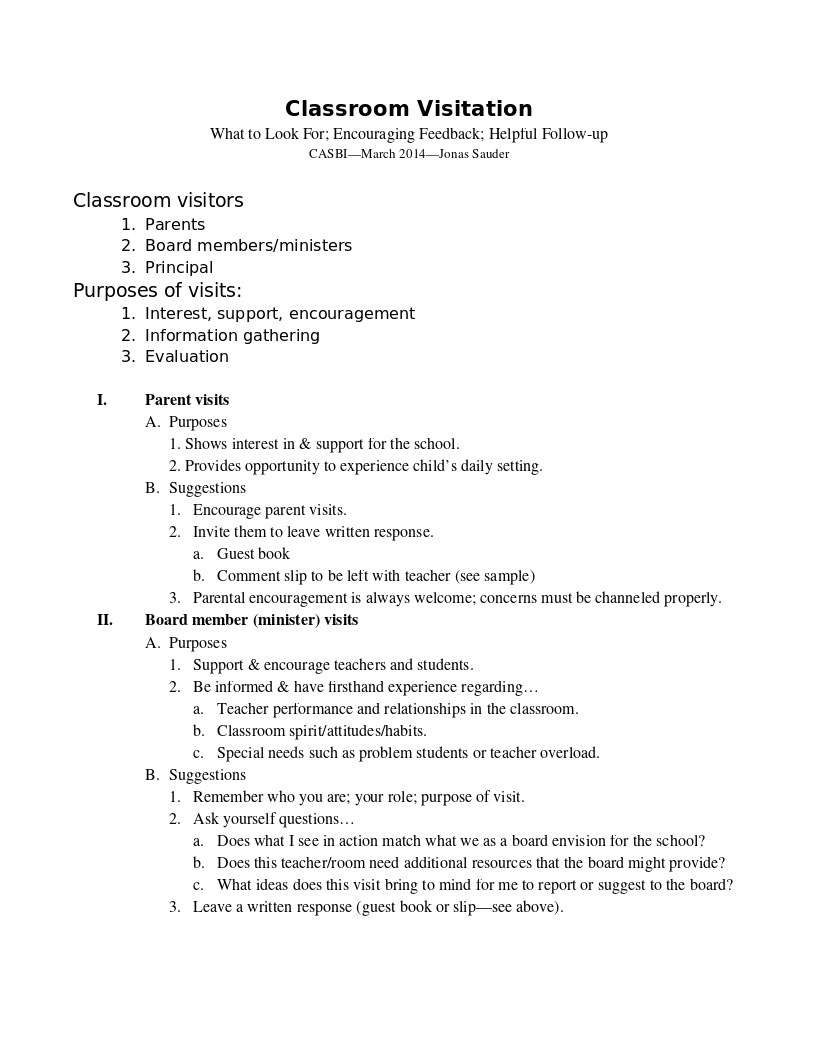
February 25, 2021 Classroom Visits Document 00:00 / 01:04 Download Download This document outlines a CASBI
- Role and Responsibilities of the Chairman by Anthony Lengacher
Role and Responsibilities of the Chairman by Anthony Lengacher Anthony Lengacher March 16, 2019 CASBI
- Why Teach Art?
Howard Horst March 8, 2018 CASBI 2018 Why Teach Art?
- Keeping Confidentiality
Keeping Confidentiality Regina Rosenberry March 8, 2018 CASBI 2018 Keeping Confidentiality Audio 00:00
- Money Matters
Money Matters Vaughn Martin June 16, 2022 CASBI 2022 Money Matters Audio 00:00 / 01:04 Download Download
- Addressing Technology Issues
Addressing Technology Issues Jonathan Miller March 8, 2018 CASBI 2018 Addressing Technology Issues Audio
- Role and Responsibilities of the Treasurer by Eugene Yoder
Role and Responsibilities of the Treasurer by Eugene Yoder Eugene Yoder March 16, 2019 CASBI 2019 Role
- Practical Ways to Become a Team Player
Practical Ways to Become a Team Player Darwin Rosenberry March 8, 2018 CASBI 2018 Practical Ways to Become
- Ministers Providing Leadership and Vision
Ministers Providing Leadership and Vision Nathan Yoder April 5, 2024 CASBI 2024 Ministers Providing Leadership
- Where to Find Teachers
Where to Find Teachers Elmer Glick March 8, 2018 CASBI 2018 Where to Find Teachers Audio 00:00 / 01:04
- Schools, Money, Taxes, and the Law (Discussion)
Schools, Money, Taxes, and the Law (Discussion) Dennis Yoder March 8, 2018 CASBI 2018 Schools, Money,
- The Wife's Contribution
The Wife's Contribution Diana Sauder June 16, 2022 CASBI 2022 The Wife's Contribution Audio 00:00 / 01
- Establishing School Absence Policies
Wesley Gingrich, Administrator March 8, 2018 CASBI 2018 Establishing School Absence Policies Audio 00
- Cultivating a Healthy School Culture
Cultivating a Healthy School Culture Anthony Hurst March 8, 2018 CASBI 2018 Cultivating a Healthy School
- Developing and Following a Budget by Eugene Yoder
Developing and Following a Budget by Eugene Yoder Eugene Yoder March 16, 2019 CASBI 2019 Developing and
- Purposeful-Parent Teacher Activities by Victor Ebersole
Purposeful-Parent Teacher Activities by Victor Ebersole Victor Ebersole March 16, 2019 CASBI 2019 Purposeful-Parent
- Tools to Evaluate Working Relationships
Tools to Evaluate Working Relationships Lynford Burkholder June 17, 2022 CASBI 2022 Tools to Evaluate
- Evaluating Your School's Program
Evaluating Your School's Program Mark Kurtz June 16, 2022 CASBI 2022 Evaluating Your School's Program
- Changing Curriculum: Why and How?
Kendall Myers June 16, 2022 CASBI 2022 Changing Curriculum: Why and How?
- Why Teach Anabaptist History?
Arlyn Kauffman June 17, 2022 CASBI 2022 Why Teach Anabaptist History?
- Seeking Wisdom Prudently
Seeking Wisdom Prudently Duane Eby June 16, 2022 CASBI 2022 Seeking Wisdom Prudently Audio 00:00 / 01
- Teaching and Training for Service: The Practice
Teaching and Training for Service: The Practice Patrick Heatwole April 4, 2017 CASBI 2017 Teaching and
- Enrollment Requests: What to Consider
Enrollment Requests: What to Consider Linford Horst June 16, 2022 CASBI 2022 Enrollment Requests: What
- Sample Prospective Teacher Questionnaire
March 12, 2018 Sample Prospective Teacher Questionnaire Document 00:00 / 01:04 Download Download At CASBI
- Opportunities for Pastoral Influence
Opportunities for Pastoral Influence Nathan Yoder June 16, 2022 CASBI 2022 Opportunities for Pastoral
- Why Teach A Foreign Language?
Aaron Crider April 10, 2020 CASBI 2020 Why Teach A Foreign Language?
- Tools to Evaluate Faculty Performance
Tools to Evaluate Faculty Performance Lynford Burkholder June 17, 2022 CASBI 2022 Tools to Evaluate Faculty
- Claiming Our Heritage
Claiming Our Heritage Sheldon Yoder April 10, 2020 CASBI 2020 Claiming Our Heritage Audio 00:00 / 01:
- Tools to Evaluate Board Performance
Tools to Evaluate Board Performance Paul Beiler June 16, 2022 CASBI 2022 Tools to Evaluate Board Performance
- Dealing with Dysfunctional Homes by Jonathan Erb
Dealing with Dysfunctional Homes by Jonathan Erb Jonathan Erb March 16, 2019 CASBI 2019 Dealing with