


Addressing Teacher Deficiencies
Hiring the right teachers is important, and at times it can be difficult to recruit qualified teachers. How can we redemptively address teacher deficiencies? Gerald advocates for a compassionate, yet clear and direct approach to teacher evaluation and development, focusing on the long-term health of both the teachers and the school
Addressing Teacher Deficiencies was presented by Gerald Miller at CASBI 2023 held at Pleasant View School, Arcola, IL on March 3-4, 2023.
An Effective Off-site Principal
Drawing from his experience as an off-site principle during the startup phase of Trauger Mennonite School, Chet Stoltzfus discusses ways to structure the school to aid in communication, delegation, accountability, ownership, and more.
An Effective Off-site Principal was presented by Chet Stoltzfus at CASBI 2023 held at Pleasant View School, Arcola, IL on March 3-4, 2023.
Intentional Ministerial Involvement
"And he gave the apostles, the prophets, the evangelists, the shepherds and teachers, to equip the saints for the work of ministry, for building up the body of Christ." –Ephesians 4:11-12
Your job as a minister is to be an equipper. As a pastor and a board member you have the opportunity to equip the board to do what it has been tasked with. Use this role to help the board to stay true to the mission of the church and the vision of the school. Join Arlyn Nisley as he explores how this can be done!Roles and Responsibilities for Ministerial Involvement- Equip
- Mentor
- Maintain the mission and vision
- Serve as a liaison
- Help select qualified men
- Encourage growth
- Provide resources
- Offer vision
Intentional Ministerial Involvement was presented by Arlyn Nisly at CASBI 2023 held at Pleasant View School, Arcola, IL on March 3-4, 2023."
The Role of a Chairman
The Role of a Chairman presented by Tony Burkholder focuses on the responsibilities, challenges, and tools for effective leadership as a chairman of a school board. Using the Working Genius framework, he gives practical advice in the areas of vision, giftings, and staff roles.
CASBI 2023 was held at Pleasant View School, Arcola, IL on March 3-4, 2023.Administrative Tasks vs Board Tasks
In the Kingdom of God, the role of a leader is to serve; to follow the example of Jesus Christ, bend down, and wash the feet of those he oversees. How can a board and administrator work together to effectively serve their school and community? Join Adin Stoltzfus as he lays out the roles of an administrator and board; their distinct and shared tasks, how they differ, and what a healthy relationship between the two looks like. Learn how boards and administrators can in love serve one another and empower each other to do all things decently and in order.
- Board Tasks
- Deals with vision and mission questions
- Mission - what is the school doing?
- Vision - why is the school doing it?
- Works out general school policy
- Creates the handbook for the school
- Hires and Fires
- Stewards school finances
- Delegates responsibilities and allocates resources
- Finds resources and curriculum
- Takes legal and spiritual responsibility
- Deals with vision and mission questions
- Administrative Tasks
- Oversees practical operational decisions
- Addresses staff or patrons questions
- Plans activities
- Fosters in house communication
- Develops character in staff and students
- Structures accountability
- Communicates with parents, pastors, and teachers
- Rewards good behavior
- Operates as a liaison between the board and the staff
- Shared Tasks
- Disciplining People
- Mutuality of Respect
- Equality
- Confidentiality
- Clear Communication
- Eye contact
- Repeating information
- Different Tasks
- Board vs. Administrator
- Visionary vs. General
- Psychological vs. Practical
- Owner vs. Manager
- Long term vs. Day to Day
- Board vs. Administrator
- Healthy Relationships
- Don't micromanage either side.
- Boards should not back away from strong administration.
- Board members who serve as administrators must learn to switch roles appropriately.
Administrative Tasks vs Board Tasks was presented by Adin Stoltzfoos at CASBI 2023 held at Pleasant View School, Arcola, IL on March 3-4, 2023.
Helping Teachers Grow on the Job
Teachers must continually grow to remain effective. Helping Teachers Grow on the Job presented by Gerald Miller focuses on fostering teacher development, emphasizing the necessity of lifelong learning and growth for educators and offers practical ways a board can encourage growth among their staff.
CASBI 2023 held at Pleasant View School, Arcola, IL on March 3-4, 2023.
Being a Contributing Board Member
As a School Board member you have been entrusted with the school - it is your job to leave it in a better position than you found it. In this talk Douglas offers you practical advice on what development, engagement, and execution should look like on a healthy board. Do you have a vision for Christian education? Do you know what your state policies are? Are you willing to put the hard work of investing into the school, parents, and teachers? Are you a team player who is able to listen and learn? All these and more will be covered in this talk that calls for committed action. "Successful board members," Douglas says, "are not really defined by what they know, but by how they can work together."
- Envision (New Members)
- Why Me? Recognize talents; be teachable and willing to work.
- Accept the Position Build on past foundations; leave the school better.
- Commit to Christian Education Value eternal impact over temporary gains.
- Desire to Learn Study school operations; ask questions.
- Know Board Members Build relationships and a shared vision.
- Engage (Relationships)
- Show Up Attendance is essential.
- Listen and Communicate Listen more, criticize less; build trust.
- Do Background Work Understand teachers and community.
- Blend In Work as a team; control ego.
- Execute (Teamwork in Action)
- Prepare Background work informs decisions.
- Collaborate Understand others; allow all to speak.
- Support Decisions Stand united; avoid gossip.
- Mentor Pass on vision (experienced members).
- Stay Motivated Remain committed long-term.
Being a Contributing Board Member was presented by Douglas Meyers at CASBI 2023 held at Pleasant View School, Arcola, IL on March 3-4, 2023.
From Protection to Provision
How strong is your commitment to Christian education? Are you willing to be poured out so that your school can flourish? Join Glendon Horst as he challenges his audience to not only protect but also build on the foundation of your school and add value to the Kingdom. In this talk you will be offered practical insight into how to equip and prepare your students to become kingdom builders through teaching beliefs, modeling values, and building habits. As a school leader you have the potential to influence future generations; lean into the responsibility, do the difficult things, protect the foundation, and lead into the future!
- Example of Amish School in Iowa
- How Strong is Your Commitment to Christian Education?
- Foundation of Christianity: Faith and Family
- Protection: Protecting the Foundation
- Isaiah 58
- Are you willing to be poured out or spent?
- Is your school flourishing like a watered garden?
- Example of Stone Barns
- Erosion through rain, storms, and time
- Isaiah 58
- Provision: Building on the foundation
- What is the mission and vision of your school?
- Vision Statement
- Prepare Kingdom Builders
- Teach Beliefs
- Model Values
- Build Habits
- Intentionally in Equipping our Students
- Reinforce Parents Teaching
- Teach Respect
- Help the Needy
- Incorporate Leadership Roles
- Build Commitment
- Develop Life Skill Sets
- Provide Teacher Apprenticeship
- Closing
- Lean into the responsibility.
- Do difficult things.
- Protect the foundation.
- Lead into the future.
- What is the mission and vision of your school?
From Protection to Provision was presented by Glendon Horst at CASBI 2023 held at Pleasant View School, Arcola, IL on March 3-4, 2023.
Understanding Troubled Students
Using stories, Jeff Cooley, illustrates the effects trauma can have on memory, learning, and behavior. Jeff goes on to provide educational and administrative considerations when helping students work through traumatic experiences.
Understanding Troubled Students was presented by Jeff Cooley at CASBI 2023 held at Pleasant View School, Arcola, IL on March 3-4, 2023.
Five Steps to Navigating Technology
Media promises connection yet quietly disconnects you from your most vital relationships – God and neighbor. Join John Troyer in this insightful and honest look at technology and its effect on you as an individual as well as the broader church.
- You will be reminded of the principles that have defined the Anabaptist church and how they apply to the world of technology.
- You will be reaffirmed in the purpose for which you were created – relationships beginning with Jesus as the core and then extending out into loving your neighbor.
- You will be challenged to examine to whom you are giving the power of influence.
- You will be cautioned against the peril of using technology as a source of entertainment.
- You will be urged to practice the principles that you know to be true.
Five Steps to Navigating Technology
- Principle: Remember the fundamental beliefs we as Anabaptist have held to and why media is even a concern for us.
- Purpose: Media promises to keep us connected while robbing us from our relationships that are most important to us: God and our neighbor.
- Power: Media will influence and change us! Will we allow it to serve or sever our relationships!
- Peril: We must keep the principle that media is a tool and not an entertainment piece - if we don't, we will lose valuable relationships.
- Practice: The effectiveness of our practice is not in the perfection of our application but in the blessing of God to apply the principles we know and value.
Five Steps to Navigating Technology was presented by John Troyer at CASBI 2023 held at Pleasant View School, Arcola, IL on March 3-4, 2023.
Hiring Your Future Church
How much does the influence of teachers impact on the church? Matt emphasizes the profound impact of hiring decisions on the future of the church through the influence of schools, and outlines practical reasons for taking hiring seriously, who to hire, and how to hire. Selecting teachers who can not only educate but also spiritually guide students in alignment with church values is of strategic importance.
Hiring Your Future Church was presented by Matt Peachey at CASBI 2023 held at Pleasant View School, Arcola, IL on March 3-4, 2023.
A New Board Member Orientation
A school board is only as strong as its members, but how can a board enable new members to gain a vision for the work of the school and confidently contribute from their own talents? Rod emphasizes three ways to integrate new members and create a cohesive, committed school board:
- Sharing the vision for the work. Helping to inspire new board members with a vision for the work of the school is vital. Boards should inspire less-engaged members and learn from those with fresh perspectives.
- Explaining basic functions and expectations. New members need clear guidance on procedures such as agendas, motions, and voting, as well as being tasked with responsibilities that align with their strengths. Tools like a board handbook or a mentorship period can ease transitions for new members.
- Building strong and lasting relationships. A strong board is one in which collaboration is fostered, members are treated with kindness and forbearance, and unity is reached even in difficult decisions. This sort of board culture can only be achieved through active listening and valuing the voices of all members.
“A New Board Member Orientation” was presented by Rod Horst at CASBI 2025 held at United Christian School in Napanee, Indiana.
Chairman Responsibilities
When a school board chairman fulfills his responsibilities well, it fosters a unified, effective board that supports the school’s mission and community. Tony provides four areas for chairmen to focus on:
- Carrying the vision. Chairmen should understand the school’s history and mission and should be able to communicate that vision to parents and the community.
- Leveraging the entire board. Chairmen should recognize and utilize the diverse skills and gifts, ensuring that everyone contributed effectively.
- Preparing for and leading board meetings. Chairmen should lead meetings effectively and efficiently, acting as a moderator to foster productive discussions.
- Enabling the staff. Chairmen should support teachers and administrators by providing resources, listening to their needs, maintaining clear expectations, and facilitating long-term planning.
“Chairman Responsibilities” was presented by Tony Burkholder at CASBI 2025 held at United Christian School in Napanee, Indiana.
Working with Struggling Teachers
It may surprise you to learn that 44% of K-12 teachers report frequent burnout. Along with burnout, teachers may struggle with: declining classroom morale, lack of respect from students, personal/emotional distress (often exacerbated by heavy workloads, unrealistic expectations, or lack of support).
Doug provides an overview of both the symptoms to watch for to recognize a struggling teacher as well as the causes that may be driving those struggles. He provides three principles for helping a struggling teacher:
- Taking time
- Building good relationships
- Maintaining open communication
He also suggests many practical suggestions for both board members and individuals in the community to support teachers.
“Working with Struggling Teachers” was presented by Doug Meyers at CASBI 2025 held at United Christian School in Napanee, Indiana.
Treasurer Responsibilities
A treasurer is primarily responsible for managing the school’s finances. Speaking from years of experience as a treasurer, Steve covers the specifics of what this role involves, including the following:
- Budgeting. A budget is critical, must be approved by the school’s stakeholders, and drives all financial decisions.
- Expenditures. Staff spending must align with the budget and should include some sort of reporting of expenses.
- Accounting records. Various accounting software can be used, such as QuickBooks or Wave.
- Financial reports. Reports should be presented regularly to the school board and patrons to provide transparency and build trust.
- Staff wages. Wages should be the largest budget item and take fair community standards into consideration, as well as a plan to incrementally increase wages to retain long-term staff.
- Compliance and auditing. Treasurers must stay updated on regulations, and complete annual bank reconciliation and financial verification reports, along with occasional full audits.
The role of treasurer is important and requires collaboration with the board and school administrator. Treasurers ought to view their role as a noble task, as it ensures financial stability for quality education.
“Treasurer Responsibilities” was presented by Steve Burkholder at CASBI 2025 held at United Christian School in Napanee, Indiana.
Productive Teamwork
Teamwork is the ultimate competitive advantage for organizations, particularly schools. Ryan draws from examples such as the 1936 University of Washington rowing team, Patrick Lencioni’s Five Dysfunctions of a Team, and Jesus’ leadership of His disciples to illustrate the value of teamwork.
When building a productive team, it is essential to prioritize trust, healthy conflict, commitment, and accountability, while fighting against lack of trust and fear of conflict.
In a healthy, functioning team, a school will experience synergy, unstoppable momentum, and a healthy culture. Most importantly, productive teamwork will maximize a school’s impact for God’s glory.
“Productive Teamwork” was presented by Ryan Miller at CASBI 2025 held at United Christian School in Nappanee, Indiana.
Accommodating Traumatized Children in the Classroom
Children scarred by trauma require extra time and energy. How should schools respond to these students? Can we be flexible enough in our methods and expectations to accommodate them? How can school boards help bear the load to keep teachers from burning out? Courtesy CASBI.
How To Do It by Randall Yoder
Events like CASBI provide a wealth of ideas for improving your personal and professional life. But if you try to do everything immediately, you'll likely fail at everything, says Randall. Drawing on Stephen Covey's work, Randall encourages us to prioritize the most important and commit to practices of enduring value.
Responding to Attitudes Imported from Home
What are ways we can redemptively respond to attitudes that negatively affect community involvement, school culture, and classroom environment? Matt Petersheim focuses on fostering a supportive, understanding, and educational environment that respects both the community’s values and the practical needs of students, while addressing common challenges like parental skepticism, political polarization, and gender stereotypes in education.
Responding to Attitudes Imported from Home was presented by Matt Petersheim at CASBI 2023 held at Pleasant View School, Arcola, IL on March 3-4, 2023.
Discipline Policies
What are discipline policies, and why are they important? Linford provides a robust exploration of this topic by overviewing the need for discipline policies, the role they play in a school, and how they simplify communication and authority structures.
Linford also explores the following questions that come along with forming a discipline policy:
- How do discipline plans impact enrollment?
- What is an example of a discipline plan?
- How effective are various disciplinary measures?
- How can a school work toward redemptive discipline?
- How do current trends in discipline play into the formation of a discipline policy?
A clear, flexible discipline policy can be a helpful guide for Christian schools by emphasizing direct communication, structured authority, and practical strategies for misbehavior.
“Discipline Policies” was presented by Linford Horst at CASBI 2025 held at United Christian School in Napanee, Indiana.
Onboarding New Teachers
“Onboarding,” defined as the process of preparing a new teacher to teach efficiently and effectively from the first day of school, is an invaluable process. Linford makes a clear case for the importance of onboarding, both for new and established schools.
Considerations in onboarding new teachers may include the timing of the hiring, individual personality considerations, and systems of training and mentorship.
Linford also includes many practical details, such as specific questions to ask during the interview process and a list of materials to give to new teachers to set them up for success.
There is often high turnover in Anabaptist schools, making the need for an effective onboarding process essential. This lecture provides an excellent framework for any school seeking to refine their own onboarding structure.
“Onboarding New Teachers” was presented by Linford Horst at CASBI 2025 held at United Christian School in Nappanee, Indiana.
Why Some Students Learn Differently
The human brain, with approximately 80 billion cells, is highly complex. Learning and behavioral challenges often stem from this complexity, making this a nuanced topic to explore.
Anthony provides an overview of two main areas of learning differences:
- Academic struggles stemming from dyslexia
- Behavioral challenges stemming from trauma
He also emphasizes the need for understanding these challenges as brain-based, not merely willful. The latter blames the child, emphasizing punishment, while the former focuses on discipleship and mentoring over punitive measures.
Addressing learning difficulties requires an arsenal of practical strategies, collaboration between all involved parties, and relying on available resources. Most of all, there is a great need for a compassionate, Jesus-like approach in supporting children who struggle.
“Why Some Students Learn Differently” was presented by Anthony Hurst at CASBI 2025 held at United Christian School in Nappanee, Indiana.
Principal Responsibilities
In many Anabaptist schools, principals wear two hats—teacher and administrator. Clarification of both roles is essential in helping a principal do his job well. Jonas provides helpful and practical insights into this multifaceted position.
- Principals must be clear on their administrative responsibilities, which include hiring, inspiring, and supporting teachers; fostering unity among faculty, board, and parents; evaluating curriculum; and handling procedural tasks such as ordering supplies.
- Principals must fight against factors that lead to mediocre schools, which include absent or ineffective leadership, overloaded administrators, unclear expectations, or inherited approaches that don’t align with current needs.
- Principals must do their part to build successful schools, which includes finding capable teachers, nurturing a positive school culture, promoting unity, and evaluating curriculum.
- Principals must learn to work efficiently, which includes using the 80/20 rule to prioritize impactful tasks, planning strategically, delegating tasks, and leveraging the summer for administrative work.
- Principals must strive for personal health and servant leadership, which includes balancing their personal life to avoid burnout, discernment, vision, and being accessible to support teachers.
The role of a teaching principal requires wisdom, discernment, and hard work.
“Principal Responsibilities” was presented by Jonas Sauder at CASBI 2025 held at United Christian School in Napanee, Indiana.
What Is That in Your Hand?
In this encouraging and inspiring session, Jonathan uses the story of Moses in Exodus 2-4 as a parallel to many aspects of being a teacher or a board member. When Moses experienced doubts, God assured him of His plan and equipped him with the tool already in His hand (a shepherd’s rod).
Similarly, anyone working in a Christian school can be assured that their roles are not accidental but sovereignly appointed by God and blessed with His divine provision. Teachers and board members also have a “rod in their hand,” the vision and influence they wield to train the next generation to serve God’s kingdom.
Those involved in Christian education should embrace their calling passionately, surrendering any burdens to Jesus, whose yoke is easy.
“What Is That in Your Hand?” was presented by Jonathan Hostetler at CASBI 2025 held at United Christian School in Nappanee, Indiana.
Effecting Change
Discouraging times can affect any institution, but it can be particularly difficult to continue to lead a school when criticism is heavy, patron support is waning, staffing needs are unfilled, or student morale is low.
James anchors his talk in Psalm 127:1—"Unless the Lord builds the house, those who build it labor in vain,” emphasizing that all efforts must center on Jesus Christ to succeed.
James outlines four processes for effecting change:
- Embrace present reality—honest acknowledgment is essential for change
- Embrace personal responsibility—leadership must take ownership for any part they have played in the situation
- Embrace personal resistance—despite resistance, leaders must stay resilient and foster buy-in through clear communication, preparedness, and kindness
- Embrace proactive reform—a healthy school culture is the result of intentional leadership (including fighting for the school’s mission, vision, and values)
“Effecting Change” was presented by James Yoder at CASBI 2025 held at United Christian School in Nappanee, Indiana.
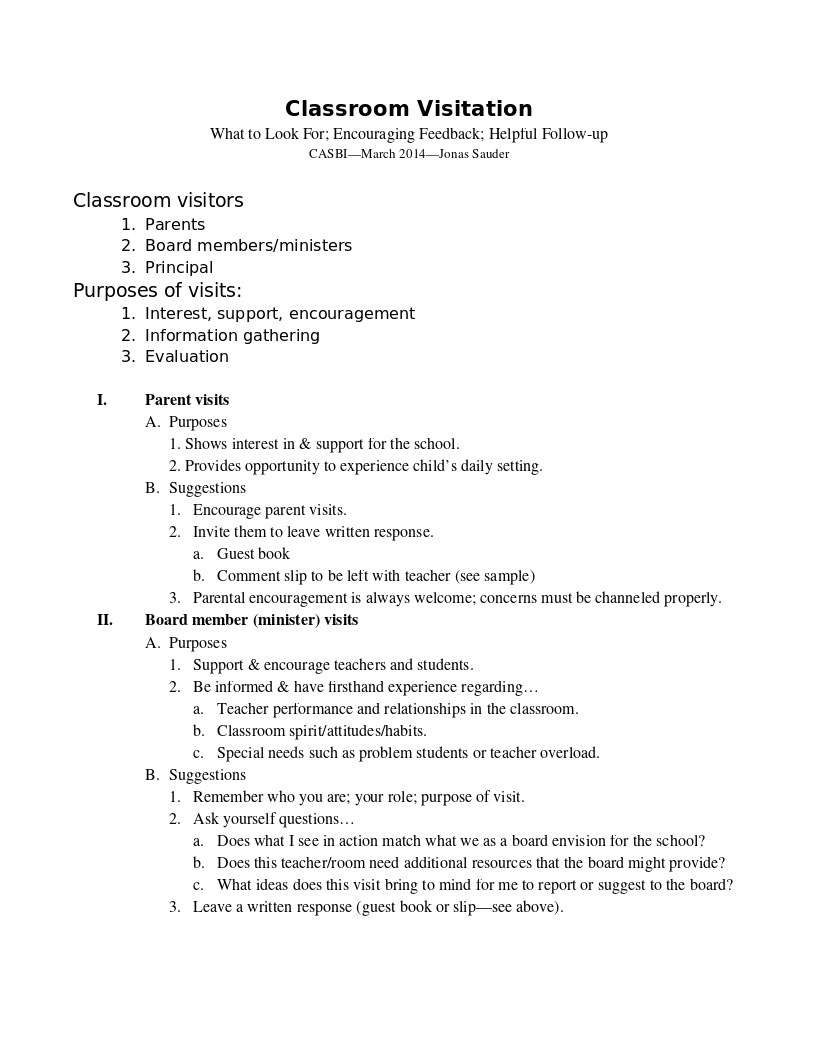

Sample Prospective Teacher Questionnaire
At CASBI 2018, John Risser shared this sample questionnaire for use with prospective teachers. Feel free to adapt the content below to your needs.


Succession Planning
Recently, a non-profit ministry leader asked me this poignant question: “What are we going to do about our Mennonite boards?” As we developed this question more specifically, we recognized a need to develop our future board members. As a general rule, non-profit organizations, boards, and committees have served our Anabaptist people well. Putting aside all of the committee jokes, it really can be an effective way to bring together diverse ways of thinking into a place of wise governance for organizations. It can also be an effective waste of time if not performed well. For a more in-depth look at board structure and function, Gerald Miller digs deeply into this subject in his presentation at CASBI 2024.
Succession planning should be a regular discussion at both the executive and board-level discussions in our organizations. How are we training our next principal? This should not be a threat to our current principal, but it should be a relief. The principal can then know that when he is ready to step down from his role, there will be another to fill in the gap that is prepared. The current leader will not have to feel guilty for leaving a gap if there is one ready to step into that role. This discussion should also happen at the board level. How are we training our next chairman or secretary? Are we able to develop these skills before there is an opening?
What is succession planning?
One of the things that makes boards the most unproductive is members of the board who have very limited experience serving on boards. This is not to say that inexperienced members are a problem or that they shouldn’t be placed on a board. It means that boards that bring inexperienced board members without orientation or training are likely going to experience growing pains as the member adapts to the board structure and function.
Succession planning is all about planning for how you will replace the board and the executives in your organization. These discussions should be ongoing even when you have a committed and steady leadership presence. In fact, it may be said that this discussion should happen especially under these circumstances. Succession planning just makes good business sense. We are most successful in business when we are prepared for the challenges before they arrive. This is also true in our schools and non-profits.
Why do we need succession planning?
When we have a planned promotion of an executive in our business, we take time to mentor and develop this individual into the leader who will continue the trajectory of the business in the way that the owner desires. However, far too often, when we need a principal, we hire the person who is willing to say yes and promote them to this position without any development or preparation. We expect them to know what the board expects and to operate the school the way in which it has historically operated. Not only are these expectations unrealistic, but they are also a recipe for disaster.
Succession planning is about intentional leadership of our organizations by preparing leaders before they need to be in the position of executive leadership. This ensures that when there is a leadership opening, we are prepared to fill it and not leave a gap in our organizational plans.
What if they do not share the vision?
Sometimes, ideas such as succession planning or mentoring young leaders look daunting to those who have served for some time, because with new people come new ideas. Culturally, we are conservative people and tend to try to conserve our traditions and values. Bringing on inexperienced members onto our teams requires work to ensure that each person understands the mission and vision of the organization. This is a great opportunity to teach the next generation about the value that the school organization brings to the community that it serves. New people bring new ideas, and sometimes those of us who have served for some time can view new ideas as a threat to the traditions and values of the organization. Sometimes, however, they actually enhance the vision and values of the organization. Bringing on new leaders also requires that the current leaders orient these leaders to the form and function of the teams. Too often, the current members of the team really do not understand their values and methods well enough to teach the next generation. This is a cycle that is important to break for future generations. The best way to ensure that the mission carries on for generations is to take the time to teach the younger generation how to function on a team and the vision of the organization. Another important need in bringing on younger leaders is to ensure they understand how to make wise decisions.
Some practical suggestions
First, plan ahead. In no situation is planning neglected quite as much as in our schools and our non-profits. We must have people prepared for openings prior to the openings happening. The more prepared we are for the future, the fewer the ripples that impact those that we serve, such as our students. Good planning advances the mission and vision of the organization.
Secondly, teach the next generation important leadership skills that will assist them in working well on a board. Prior to having a board opening, we should be teaching people about boards and how they function. Should this be incorporated into bible school and high school curricula? How could this be incorporated into our church teaching programs? It is not so important where these skills are taught as it is that these skills are taught. We should be teaching the younger generation what a team looks like and how it should function. They should also be taught about the purpose and function of a board. Understanding the role of the board ensures that they do not misuse their board role for personal gain. This is especially important in church-based school boards.
Thirdly, properly orient board members and executives. Not only is this important for novice members, but it is also important for experienced board members. Even board members who have served on boards for many years need to understand the structure and function of this particular board. It will assist them in knowing the culture of this board. Ideally, the board should have an orientation manual developed for all new board members. This ensures that each member receives the same information regardless of who is providing the orientation. Some other things that should be given to each new board member is the operational handbook (day-to-day teachers handbook), the policy and procedure manual, the curriculum plan, the past 12 months of board agendas and meeting minutes, and the financial information such as the past 12 months of profit and loss information and the most recent budget. If the school board does not have these documents available, they should develop these and have them as part of each board meeting.
Finally, hold regular board and principal retreats. These could be as little as an annual meeting designated to strategy and planning, as opposed to routine governance that is completed at regular board meetings. I would recommend at least a full afternoon of meetings, including eating a meal together. Eating together strengthens the board socially and emotionally, just as a family is strengthened by gathering for dinner each evening. These retreats are also served well by having a guest speaker come in and teach on a subject that the board identifies as an opportunity within the organization. These speakers can talk about anything from academics, relationships, leadership, or governance. Another suggestion is to bring in a facilitator to lead strategic planning discussions. Sometimes a facilitator can help a group really dive into their organization in a way that the board and principal cannot see because of their proximity to the organization and the day-to-day challenges.
Conclusion
Operating a school or non-profit takes an incredible amount of dedication and intentionality. It requires the board and leaders to be prepared at all times for the expected and unexpected day-to-day challenges. The board and leaders also need to have the bandwidth to focus on the future and the trajectory of the organization so that they can anticipate future challenges and opportunities. It takes a lot of time and energy to serve on a board. Board members should not view their commitment as just a two-hour meeting once a month. When board members and organizational leaders understand the mission and vision and their role within that mission and vision, they can serve in a much more effective way. When boards and leaders understand the need to invest in the future of the organization by planning ahead and by training up the future generations of leaders, they strengthen the mission and vision of the organization for years to come.
Photo by Volodymyr Hryshchenko on Unsplash
The Effective Use of Committees
As a member of the school board, you are responsible for overseeing many aspects of the school: finding staff, facilitating communication among school staff, parents, and church, providing finances, and giving oversight. What is the most efficient use of your time? Jonas encourages boards to organize subcommittees in order to make board meetings more effective and decisions more manageable.
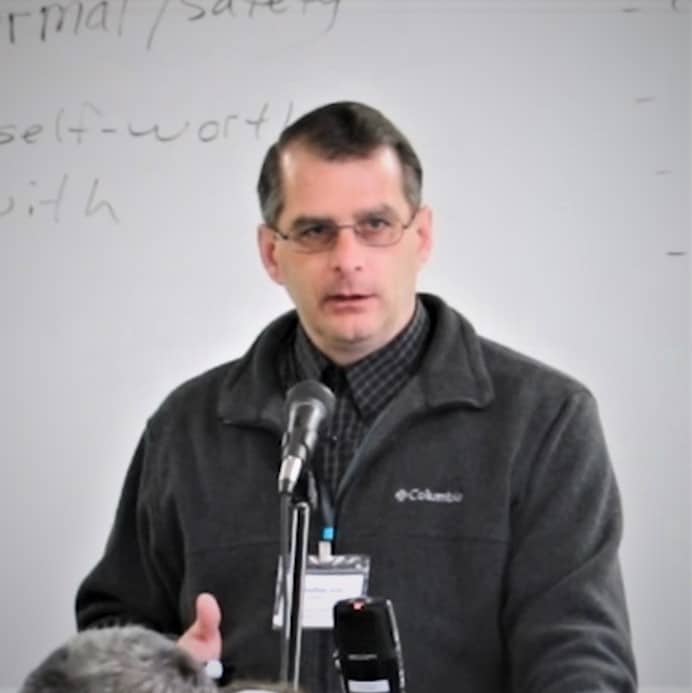
Dealing with Dysfunctional Homes: What Teachers Can Do, What Boards Can Do
You heard about the teacher that sent a note home with the Rufous, and it just simply said, "Rufous stinks. Please give him a bath."
And the parents sent a note home, not home, sent a note back to school that said, "Rufous ain't no rose. Don't smell him. Learn him."
I personally feel that teachers—that's one category. School board is another category, and church leadership is yet another.
I think as a general operating principle that teachers ought to have in relating to dysfunctional homes is, when they discuss with the parents, they need to talk about the what and not the why about the situation. The what not to why.
Let me illustrate. We had something more on a slightly annoying side of things that was occurring in a school where I taught. The children came from a home. They were they weren't really being raised. They were just kind of growing up. (It was. I mean. They were they member families. I mean, very, very admirable in many ways, but their parenting skills were perhaps a little lower than average. I don't know how to describe this. I'm just trying to say it kindly and honestly. The children maybe were a bit neglected, but yet there were many things that we can learn from them, if you understand what I'm saying.) The children came to school with their barn boots. The same boots that they milk the cows with were coming to school, and they line them up with the rest of the children. And it was a problem.
It was it was slightly annoying, the first and second and third time that happened. But when wintertime came, then this stuff would be frozen on their boots, and it would make long rivulets across the hallway. OK. And this was this was making a problem in school.
Now, let's go back to what it was demonstrating. As a teacher, the teacher should... I think at that point there should have been some communication with the him, right? Because it was actually affecting the way the other students were looking at those children. Those kinds of things obviously will.
For the teacher to go in to that conversation on a why premise, it's going to sound a little bit like this, "You guys really need to buy two pairs of boots for your children. You're just too... You're not thinking. Come on! Wake up!” That that would be more of a why premise. Or that's, of course, very direct and very, very much in response to what's on the floor. But it was true that the children were being neglected. It was true that their hygiene had issues and so on.
It would be much better to say, "I just thought you might want to know what is happening at school. In the morning, the children's boots are going out. It's making a problem in the hallway. That's what's happening."
And what I have found as a teacher very often the parents, at that point switch into a why. If you're invited into a why type of conversation, that is completely different than using that as your point of entry.
I really think that somewhere we need to determine, is this making a problem at school? Is it truly making a problem at school? If it's truly making a problem at school, than address it.
And now I'm coming around to this question, when does the minister get involved? (Wherever that was raised.) If it's a school problem, then let's not overinflate the situation by getting the minister involved too soon. I would hope that the our boards are proactive enough that many of these things can be handled on a school level. I think there are those times when we need to realize that even Jesus Christ can't help everyone if they don't want help, if they don't respond to his... I mean, he was the one that always gets it right so far as compassion and care and extending help, but a lot of people reject his offers as well. Yes.
[Audience Question]That's one thing that is a guiding principle for me, specifically thinking about this instance, that we're not a public school. We don't take everybody. And there's instances where we have to be honest, the school is not a place. We have 15 other families that need our attention. The school is not the place to help this child. Let's go to the community and find somebody that's willing to give brownies every day. We're not that place.
[Jonathan Erb]I know of a community that has multiple Mennonite communities in the same geographical area where there was a needy family that wanted to enroll their children to school. And the one school said, "We're not equipped."
Me, looking on, I would have thought they had more resources, but I didn't know the whole story, obviously. They just said, "we're not equipped, we can't take you on right now." But they actually recommended another school that I would have said, looking on, was looking on was less equipped. That less equipped school—you know, my own incorrect judgment—took them in and did most of that family and is having a reasonable measure of success.
We can't help them all, right? We need to give a good, honest assessment when, you know, we're that enrollment question, "are we really equipped to deal with this?"
And I would—right along with that—I would strongly urge the board to stay in touch with their teachers. They are, after all, the ones that are engaging these students on our hourly basis. And it can be energy-draining work.
When Jesus dealt with people that were needy, Jesus himself said that, "Who touched me? Virtue went out." This is a virtue, whatever, you know what I mean. Virtue flows out of your teachers, and you need to stay there as a support role for sure.
Another thing that I think, along with this, as far as what boards can do, is be sure that you have a communication chain. Have it clearly understood who the teachers should be talking to. And, you know, when some of these things get get messy, maybe the teacher, you know, should be following a different channel of communication than what we would normally. Maybe there needs to be one contact person in the board and that kind of thing.
By all means, support your teachers or your teacher may burn out unnecessarily.
Evaluating Seven Elements of Your Home's Influence
There is no doubt that teachers and schools have great potential for shaping students. But Gerald reminds us that the most powerful influence comes from the home. In this message, he examines several ways parents can shape their children, particularly their children's relationship with the school.
Providing Administrative Support for Faculty
How can boards and administrators offer leadership to school staff? Ron encourages leaders to establish a school vision, and to relate activities and evaluations to that vision.Outline Function as liaison between school board and faculty Conduct teacher meetings weekly usually following a school day. Communicate issues/decisions between board and faculty. Communicate information to Parents via note or call lists (school closings, delays). Assist the board in teacher recruitment as
Dealing with Dilemmas Presentations
This recording includes four presentations: Grade 1: Ready or Not? When and How to Dismiss a Teacher The Manipulative Parent The Dress CodeQuestions regarding these topics were dealt with in the panel discussion:https://thedockforlearning.org/audiovideo/dealing-with-dilemmas-panel-discussion/
The Principal: Proactive Initiatives
This session is part of the series on the role of the principal or administrator. A team needs a captain, a work-crew is well-served by a foreman, and a committee functions best with a chairman. Similarly, a principal can be a visionary leader, an organizational director, and a helpful discussion moderator at your school. What should the board task the principal with? What are the dangers of letting him run the show or micromanaging him? How can you as a principal be an inspiration to both, yo

Administering Achievement Tests by Allen Troyer

You Are Not on Trial: How Parent-Teacher Events Can Strengthen Your Teaching
What's the purpose of parent-teacher meeting, parent-teacher activities? First of all, I believe it's to establish common ground between the parents and the teachers. The second purpose of parent-teacher activities is to create an opportunity for parents and teachers to communicate on a constructive level. Too often, parents wait to talk to the teachers until the teacher is doing something wrong, and vice versa. Teachers wait to talk to the parents until something's going wrong with the student and then we have to call up the parent and that's no fun either.
And lastly, the purpose for parent-teacher activities is to inspire and instruct the community on the importance of school. That's probably more of a formal setting maybe, where you sit down and have a meeting on an evening, bring in a speaker from out of the area, and talk about what school does for your community.
Those are three basic purposes. So, activities, what are some of the different types?
Formal: Instructional Meetings
First of all, starting with the formal, is an instructional meeting. We do this on a Wednesday evening when we would normally have prayer meeting, so there's no excuse for anybody not to be there. [You can talk about] the history of Christian education: how did we get here? What are we doing? Because we're now in the second generation of our Christian schools, and if it's going to thrive, well, that's why you're here today. If you have a vision for it, it's really the only way it's going to go forward, is if the people of your congregation have a vision for Christian education. You can talk about development in the preschool years, so what happens before that child goes to school?
The most recent one we had was "Developing the Desire to Learn," and that was kind of interesting when we brought—I don't know know many know Anthony Hurst. He's taught for many years. He came to our school and did that one. That was fascinating because he's a teacher. He loves to learn. The challenges... What I took away from that one, as parents, our scope is going this way. We're saying, "What can I eliminate from my schedule? How can I free up my life? How can I just do the essential things to make life happen?" And as a child, their life is going the other way. They're saying, "This world is so huge. There's amazing things to learn," and so they're getting into things and exploring things, and so their world's going this way. "What else can I do? What else can I try?" And so, we're trying to bring those two together as parents and students.
Practical tips for working together. Challenges of a small school or challenges of a large school. Somebody from outside your community can come in and address those issues because those can get sticky. That's why it's a good idea to bring somebody in from outside, because they don't know what's going on, but human nature is the same. We're dealing with the same human nature and so they can address those things in generalities without knowing the details of your situation, but sometimes it takes an outside perspective.
It's also an opportunity for the board to give any updates. The chairman usually gives a report on the school. We also give our treasurer time to give an update on what the finances look like and this past time, this last Wednesday evening, he went into some detail about how our finances compare to the finances of private schools in the state of Virginia, which was fascinating to me.
Scheduled: Parent-Teacher Interviews
The second type of activity is personal interviews and these provide opportunity for one on one communication. I taught school for five years and I remember my first parent-teacher interviews. I was nervous. I was scared because these parents are coming in and sitting down on the other side of the desk. What am I going to say? I mean, we can talk about the report card and their grades. What about students whose behavior isn't what it should be?
And I remember my principal telling me, he said, "You think you're nervous? It's not even your child you're talking about. The parents are just as nervous as you are because it's their child and they're the one that's responsible." But now that I'm a parent, I see it from that perspective too.
Neither the teacher nor the parent is on trial. We're not here to straighten the other person out. It's a time of communicating, figuring out what's the parent's perspective, what's the teacher's perspective. There's times when I've had trouble with a student who wasn't applying himself. I mentioned that to the parent and they said, "What's new? That's how he does his chores. It's just his ... It's something we're working on." And so it was a confirmation to me, you're doing the right thing, you realize that you're on the same page as the parents.
Then there are times when you're in the situation where you're not on the same page and the parents have a completely different perspective than you do on what's going on in this child's life. And it's important to realize that we're not enemies; we're not. We may be seeing it from a different perspective, but we're on the same team. We have the same goal and we're working towards the same end.
Another problem that can happen is that we wait until it's a big problem, to get on the phone and call up dad. As a teacher, that's a little bit late because now there's problems with, obviously problem with a student or we wouldn't be calling them, but there's other social issues. There's other pieces and this starts to become a great big problem. It's much easier whenever they're coming on a regular basis to sit down and say, "This isn't a big deal, but it could become a big deal if we let it go. I started to notice this student has this problem. What can you do about it? What can I do about it? What do I need to know?" And so you have an opportunity to communicate and so many of those problems, if you get them when they're small, don't have the opportunities to wreck your classroom.
Another reason for the one on one interviews is that students are very adept at presenting themselves in the best light. Now that's not to accuse them of being intentionally dishonest. But when the student goes home and tells their parents about what happened on this paper, they're going to paint it as much as they can in their best interest. "There's so many other things that went into this, this is not my problem." And so when you have that circle closed, that close communication between the parents and the teacher, the student has a hard time excusing himself because the parent knows where the teacher is at, the teacher knows where the parent is at. And so the student doesn't have an opportunity to manipulate those two.
So it's very important that we have open communication between parents and teachers. How do we make this happen? First of all, plan your meetings. We've already heard about that. Get a calendar, send out your calendar, communicate what's coming up in the next couple weeks. That way parents know. The parents are going to be there, they're expected to be there. Set a time and date for every patron and teacher to be there. And if it doesn't work out for the parent's schedule, tell them to reschedule it. This needs to happen. It needs to be important to both to make that connection.
Informal: Getting to Know Each Other
And then thirdly we have the informal connections. And this can be something like a school picnic, something that the school board arranges, that the parents are there, the teachers are there, but there's no formal time to sit down together. I believe that's important because when it's on the informal level, you get to learn what their interests are. What do they enjoy doing? Who are they as a person? So it takes some effort to connect on that level.
The more you can build that relationship between parents and teacher, the less opportunity you have to have that communication breakdown, [in which] you have the digging in and taking sides.
The Principal: Job Description
This session is part of the series on the role of the principal or administrator. A team needs a captain, a work-crew is well-served by a foreman, and a committee functions best with a chairman. Similarly, a principal can be a visionary leader, an organizational director, and a helpful discussion moderator at your school. What should the board task the principal with? What are the dangers of letting him run the show or micromanaging him? How can you as a principal be an inspiration to both, your staff, and your board? We count on you to be the man of the hour for your school!
Confronting the Woke Mentality in our Schools
How does wokeism influence conservative Anabaptist schools? Gerald Miller highlights the need for Christian schools to promote a kingdom-oriented vision and encourages teaching scripture as the roadmap for students to bring the kingdom of God wherever they are.
Structure and Purpose of Kindergarten
Lyndon discusses the benefits of early education, assessing readiness for first grade, and the role of kindergarten in teaching discipline. The discussion highlights the need for clear communication between parents, teachers, and school boards, as well as the impact of a positive school culture.
A Suffering History: Conflict and Sacrifice for the Cause of Christian Education - Part I
Why Teach Economics/Civics?
How can we encourage students to think critically about economic systems and government structures in today's world? Arlyn Nisly encourages interactive teaching methods such as student-led current events discussions, economic simulations, and ethical debates to enhance student engagement and critical thinking. He emphasizes the significance of addressing real-world issues in the classroom, utilizing resources like specific textbooks and practical activities to make these subjects more relatable and meaningful for students, and fostering a deeper understanding of civics and economics beyond theoretical concepts.
The Value of Recess and Play
Did you know that decreased physical activity can affect children's ability to learn? Play is not just for fun, it's an essential part of learning, creativity, and imagination. Jeremy Sauder highlights the benefits of movement, risky play, and sensory stimulation for proper development.
Why Teach World Cultures/Geography
What role does world history and geography play in shaping worldviews? Linford Horst emphasizes the value of understanding different cultures for effective communication, global engagement, and mission work. He also touches on geopolitical issues, resource distribution, and the impact of geographical features on societies.
A Suffering History Part II
Is Christian education a right? What can be learned from people like Dave Burkey who interacted significantly with government officials? Ken Kauffman continues with stories of Anabaptists who were willing to face adversity because they believed they were responsible for the education of their children.
Living Out Our Faith in Economics and Civics
What is the connection between economics, civics, and faith? Arylyn Nisly emphasizes the importance of prioritizing heavenly treasures over material wealth and living as residents in earthly kingdoms, advocating for a Christ-centered worldview that values community over individualism and encourages critical evaluation of societal norms.
Tending Teachers
How can the school board support and understand their teachers? Anothny Hurst emphasizes the need for resources, training, and a positive work environment to help teachers feel confident and cared for. Suggestions include professional development, group studies, and open communication between teachers and school boards. He further highlights ways to develop teachers, build camaraderie, empower teachers, and show appreciation for their work.
Serving Well on the School Board
Durwin Troyer shares personal experiences and insights on supporting teachers, maintaining open communication, and prioritizing education. Training and transitioning new board members, creating clear job descriptions, and utilizing communication tools are highlighted as key strategies for effective governance. The significance of respectful visits to classrooms, fair teacher pay, and facing challenges head-on is also discussed.
Board Structure
What defines a successful school? Gerald Miller looks at various school board organization structures and methods of conducting productive meetings such as Robert’s rules of order that provide an environment for success. The school board shoulders the responsibility of providing vision for the future of the school. Therefore, it is critical that the board operates efficiently and purposefully.
Why Teach Writing?
Outline
Why Teach Writing? by Andrew Yoder
- Writing gives you beyond the material you produce and helps you to:
- Analyze a topic
- Sort through your thoughts for best description
- Build your creative abilities
- Effects of consistent writing practice for the student and his life beyond:
- Effects on the Student
- Builds his Understanding
- Teaches Logic
- Refines Ideas
- Facilitates expression
- Effects on the Church
- Explains complex situations
- Equips for Teaching
- Creates Commentary
- Preserves Ideas
- Effects on the Workplace
- Creates Clarity in Communication
- Assists in Problem solving
- Enables Effective Marketing
- Effects on the School as a whole
- Effects on the Student
Looks like there's a technical issue. Clear your cookies and try again. If it still doesn't work, please contact us.