top of page

Bookshelf: Books and Documents

Teaching Civics and Economics
Reasons Why Teaching Civics and Economics Is Important
Humanistic and materialistic values are subtly displayed in messages all throughout daily life. The goal is to disciple youth to recognize and counter this “invisible” saturation.
Anabaptists have a unique culture of strength from which to

Teaching History
Reasons Why Teaching History Is Important
The purpose of teaching history is to help students understand the world so they can more effectively serve God in it.
History is messy and many ugly things have happened. History class is a chance to dive into that messiness and see how God is working

Teaching Music
Reasons Why Teaching Music Is Important
Music is something eternal, something worth putting time and energy into. There aren’t many things that all age groups in a community can do together, but music is one of them.
Music is essential in the kingdom of God, not optional. It connects to God’s

Teaching Art
Reasons Why Teaching Art Is Important
Investing in children’s artistic gifts can profoundly shape their life and service to God’s kingdom.
Art fosters innovative thinking and creative expression, along with building fine motor skills.
Art class may be a chance for certain students to shine,


Teaching Electives
General Advice and Tips
Electives offer students as much diversity in learning as possible. With a small high school and limited resources, you may need to be creative in how you offer a variety of classes for your students. Not all electives can be traditional, teacher-taught classes. Some exam

Special Education and Learning Struggles
General
Our classrooms are diverse places, full of diverse people. Our students have wide-ranging interests, ability levels, backgrounds, and cultures. We need to embrace each of their differences and what we can learn from them. The concepts of community, empathy, and caring for each other in s

English Language Learners
Whether a student has just moved into your area from another country and does not speak English or you are teaching in an area where English is not the first language for your students, teaching English Language Learners (ELLs) can be challenging. Here are some tips for approaching this unique cha

Gifted Students
How do you know if a child is gifted? A gifted child is one who gives evidence of high achievement capability such as intellectual, creative, artistic, or in specific academic fields. They think differently than other students and often think “outside the box.” Not all of them are gifted in all ar

Grading
The Purposes and Limitations of Grading
It is important to recognize how limited grades are in showing true learning. Don’t focus more on grades than you do on actual learning.
Emphasize to students the importance of evaluating their own work and learning from their mistakes. This will very li

Field Trips
General Advice and Tips
Any time and energy you put into arranging logistics before you go on a field trip will pay off greatly the day of the trip. This includes, but is not limited to, the following: Make sure permission slips are signed and returned by the parents. Plan the timeline of the da
Planning Programs
Logistics to Consider:
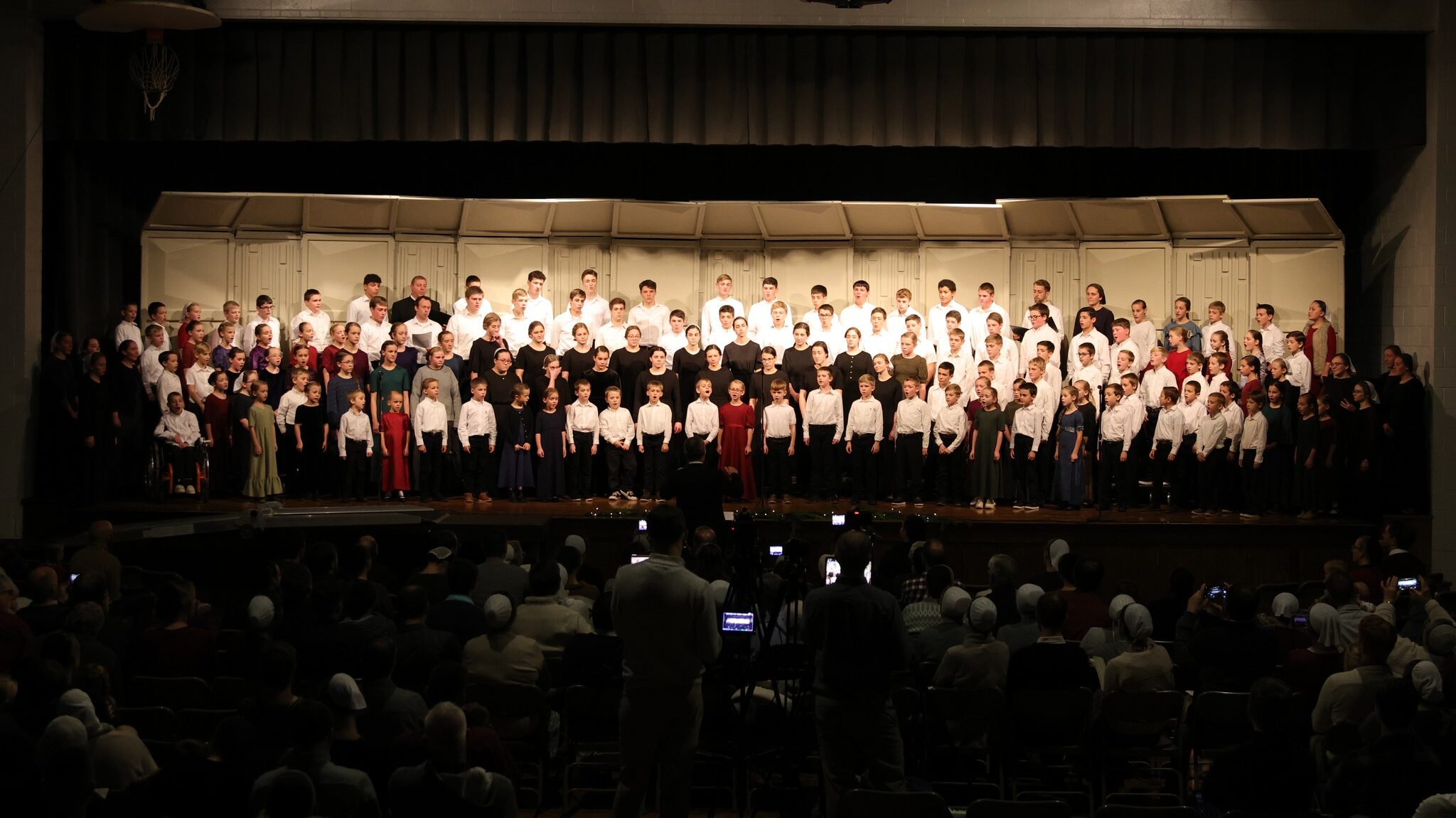
Style: what genre of program do you want to present? A dramatic Scripture reading will have a very different tone than a humorous, story-based skit. You will want to take your students’ strengths and abilities into consideration, as well as community sensitivity.
Length:

Seating Arrangements
General Considerations
There is more than one good way to set up student desks. And beginning with one configuration doesn’t mean that it cannot be changed in the course of the year—or the day.
You can create rhythms in your classroom where certain scenarios dictate certain seating arrangement

Classroom Culture
Classroom culture is a “hidden curriculum” or atmosphere that influences all aspects of school life and is shaped by beliefs, history, attitudes, practices, traditions, and relationships.
Culture is always present, and is influenced by parents, students, teachers, administration, and the communi

Cheating and Academic Integrity
Define cheating. In the case of written work, explain what plagiarism is, why it's wrong, and how to avoid it. This is especially important for students who struggle with irrational guilt due to an overly sensitive conscience.
Use a pre-test checklist. This ensures procedural consistency and rei

Sportsmanship
Good sportsmanship contains the following core elements: Empathy —good sportsmanship requires actively understanding and feeling others’ perspectives and emotions. Respect —good sportsmanship treats all with dignity, valuing their efforts and varied abilities. Fairness --good sportsmanship involve
Student Relationships
General Advice
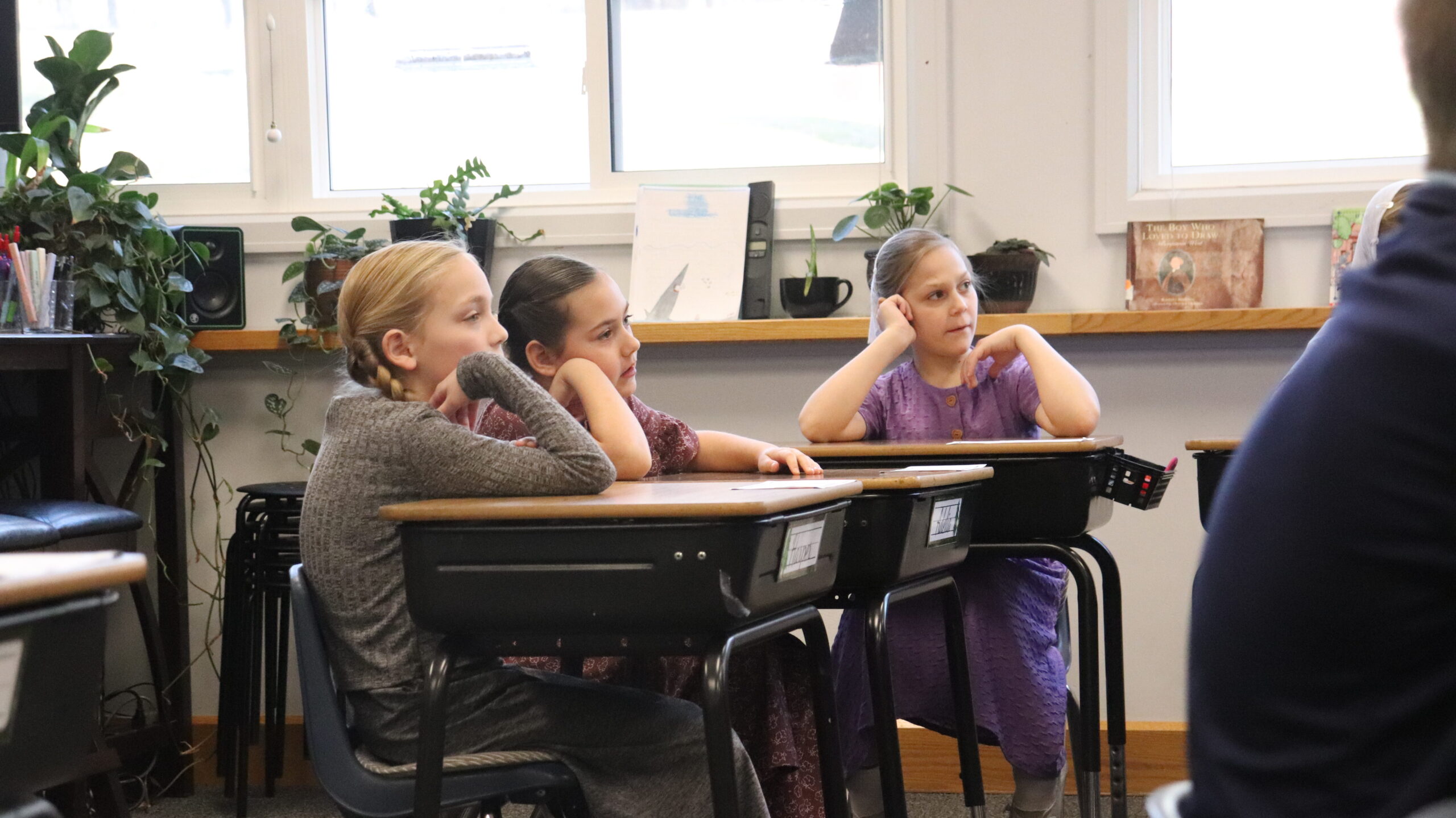
Helping students learn to relate to each other well can be a daunting and exhausting task. But it’s an important one. In these formative years, they are building relational habits that will stick with them for the rest of their lives. You can be a loving adult who helps to shape t

Positive Attitudes Toward Learning
Addressing the Question “Why Do I Need to Know This?”
At some point, your students will ask the infamous question, “Why do I need to know this?” There are a variety of approaches that could be taken in the way you answer them. Here are some suggestions: Offer concrete examples of how various sub

Study Skills
It can be easy to assume that students intrinsically know how to study information effectively, b that is often not the case. There is a lot of value in making sure these work habits are explicitly taught, not merely “caught.”
Consider asking students the following questions to enable them to se

Book Recommendations: Read-Alouds
Chapter Books
Little House series by Laura Ingalls Wilder
Treasures of the Snow by Patricia St. John
The Adventures of Peter Cottontail by Thorton W. Burgess
The Bears on Hemlock Mountain by Alice Dalgliesh
A Question of Yams by Gloria Repp
Through the Green Gate by Mabel O-Donnell
C
bottom of page