top of page

Bookshelf: Books and Documents

Canadian Art
These works are representative pieces of the country's most famous artists. Canadian art often focuses on wilderness and geography themes. See https://www.aci-iac.ca/art-books/ for details on many authors, etc. Famous Artists to know Group of Seven, esp Lawren Harris https://theculturetrip
Professionalism in Student Interactions
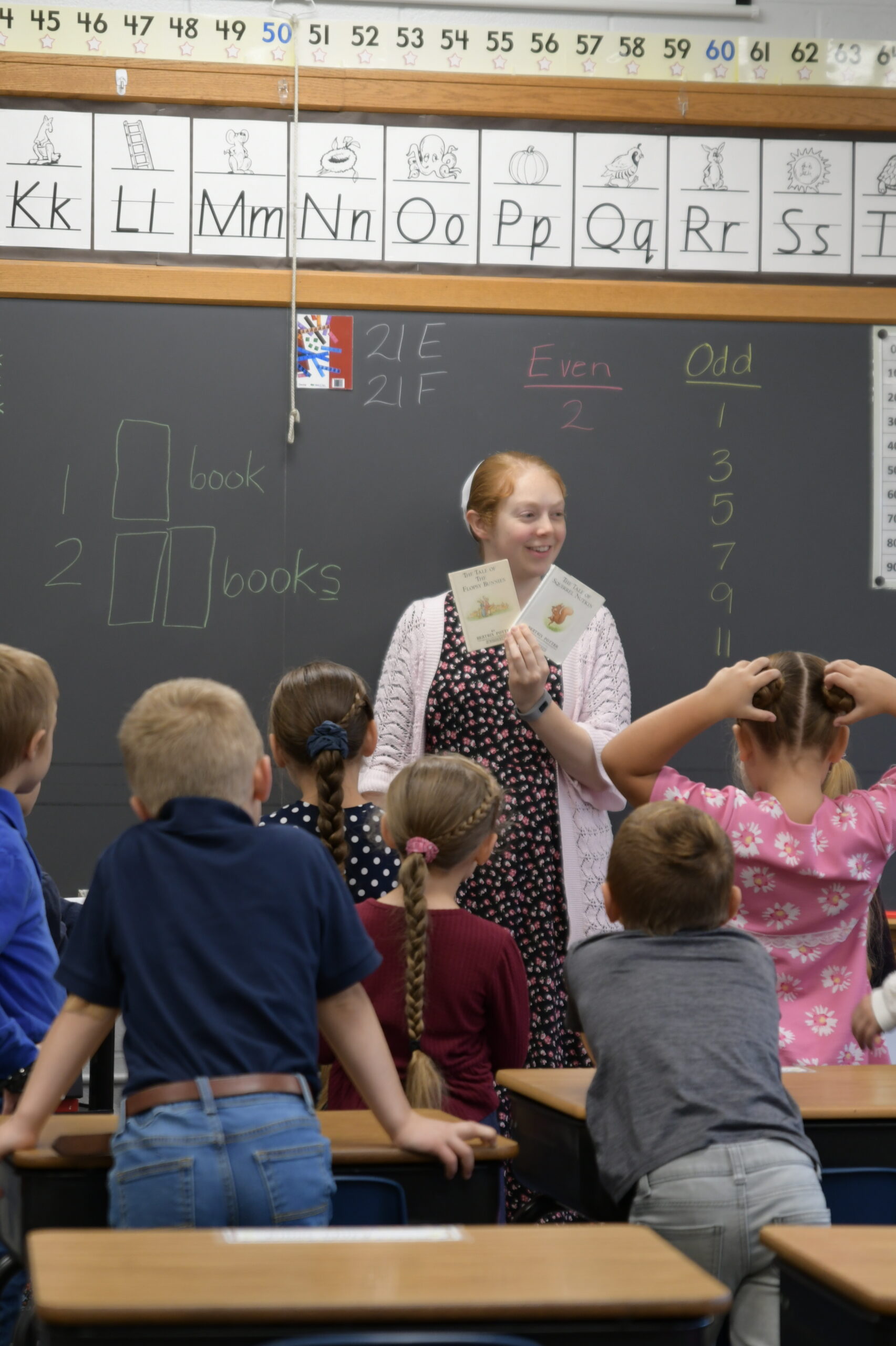
Be sure you are pronouncing students’ names correctly, using the form of their name they prefer if they also go by a shorter version, and avoiding fun nicknames or pet names.
Personas to avoid falling into:
The Cool Teacher—don’t try to dress or act like your students in an attempt to be accep
Communicating with Students
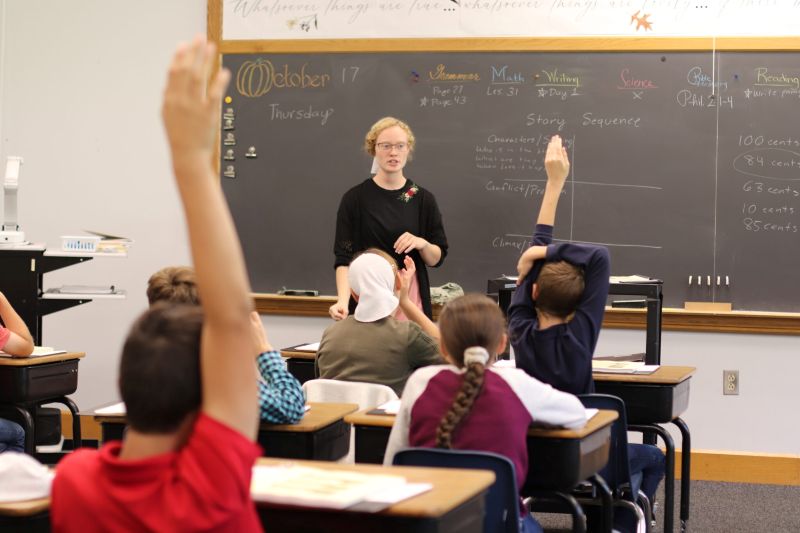
Be aware of your own tendencies. If you are a task-oriented person who tends to prioritize tasks over people, make sure that in your zeal to do all the things necessary to give your students a quality education you aren’t missing their hearts
Practical ways to relate to students:
Greet your st
Staff Meetings
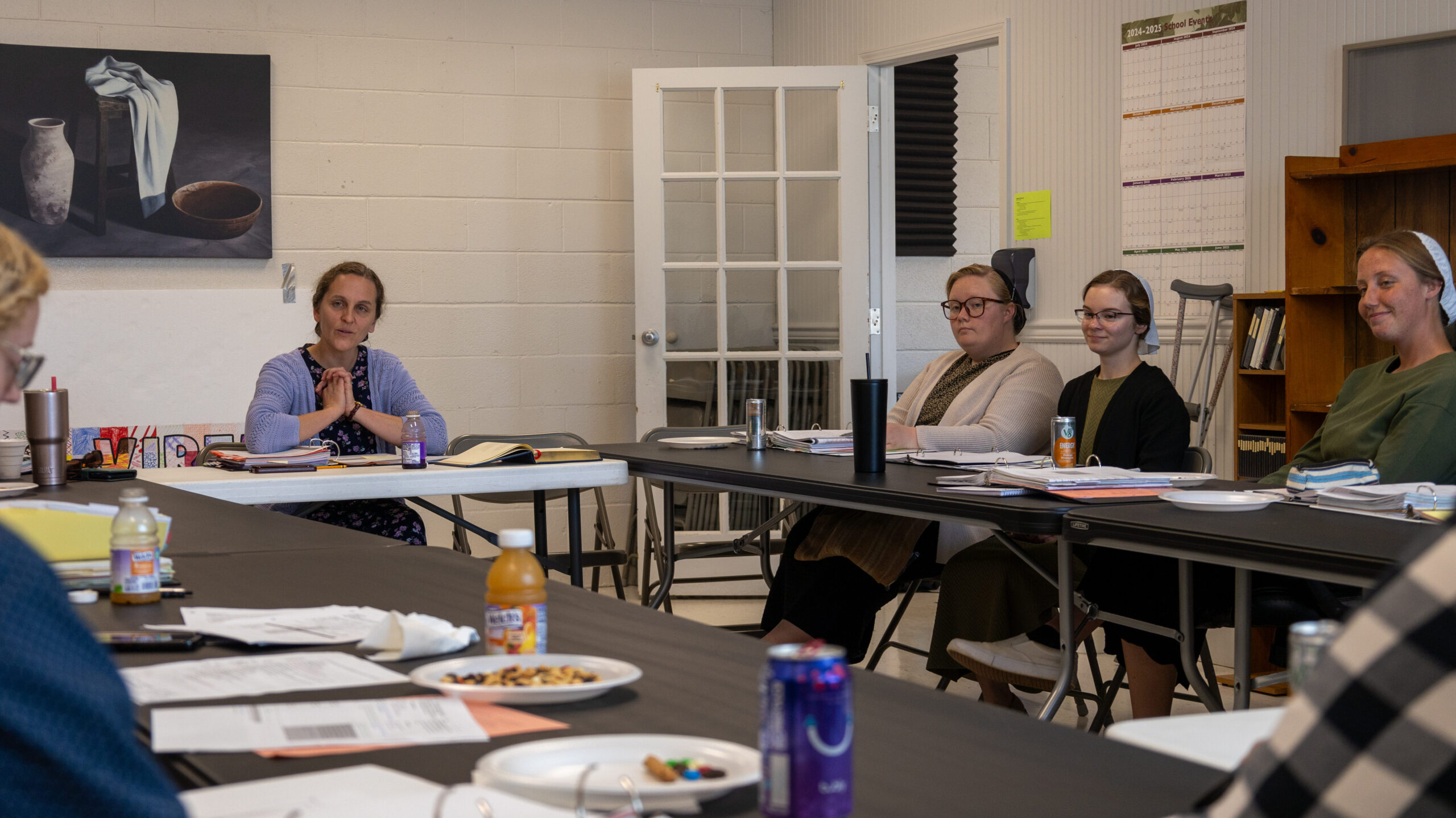
Meetings provide an opportunity for clear communication, effective planning, fruitful discussion, and professional development
Attend a meeting ready to listen to others, focus on the task at hand (silence technology or other distractions), and offer your own input
Regular meetings as staff he
Parent Teacher Meetings
Before the Meeting
Recognize the purposes of parent-teacher meetings:
To establish common ground between the parents and teacher
To create an opportunity for parents and teachers to communicate on a constructive level (rather than only once there is a problem)
To facilitate collaboration a

Communicating with Parents
Establish a Foundation of Respect
Approach conversations with parents with compassion. Remember that parents can feel vulnerable, like failings in their children are direct reflections of them as parents. Emphasize your desire to work together with the parents to help the child thrive.
Come to
Board Work
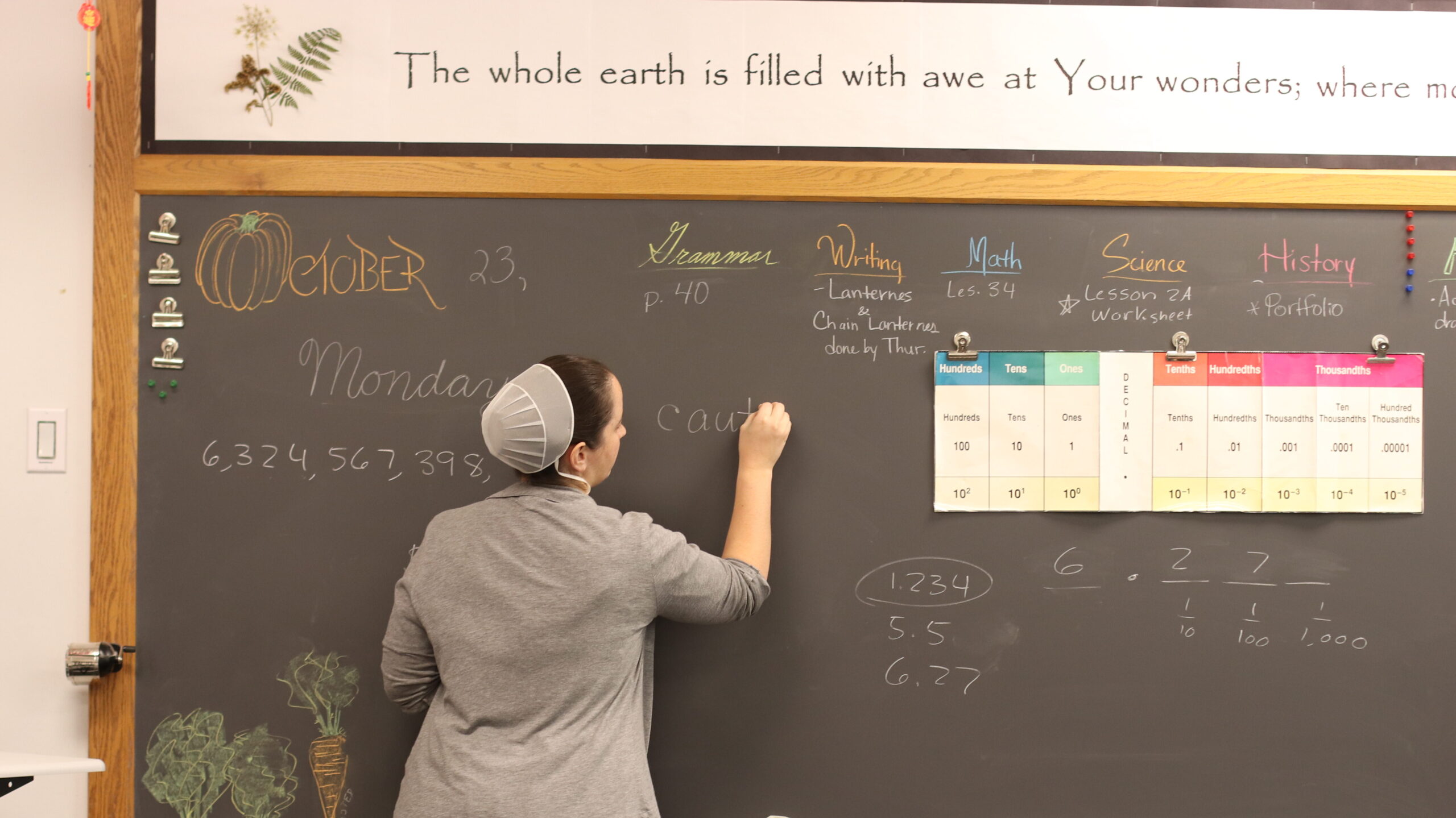
Your chalkboard or whiteboard is an amazing tool that you use every day—it is worth investing time and intentionality into using it well.
Keep boards clean. At least once a week, wipe them down with water and then a dry cloth. Dirt and smears distract from your teaching. (Note: many teachers hav
Asking Questions
The “Why” of Question-Asking
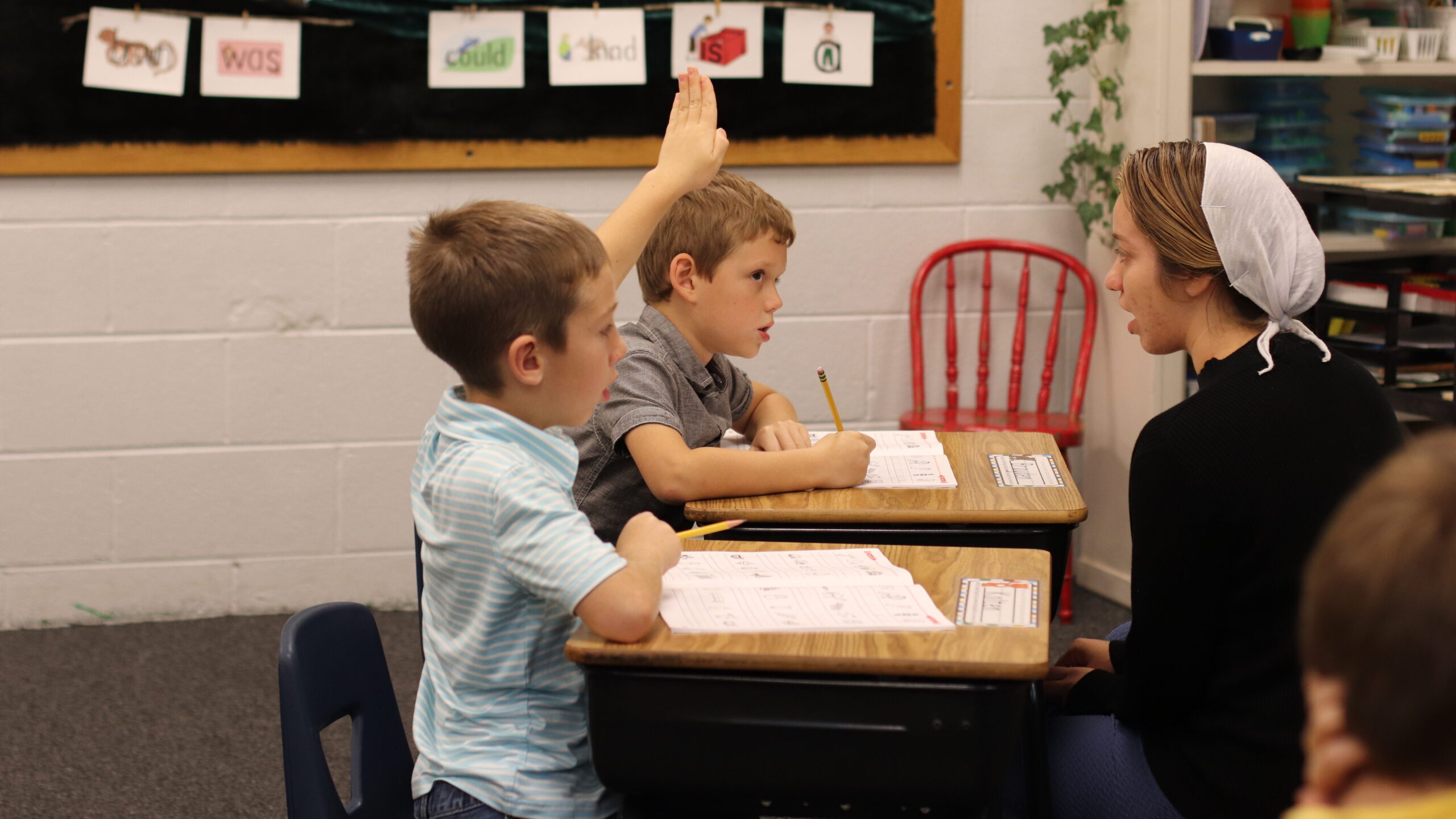
Asking good questions is a powerful learning tool that is often under-utilized. With intentionality, the questions you ask your students can provide valuable learning opportunities.
The “What” of Question-Asking
Recognize that there are different types of q
Leading Class Discussions
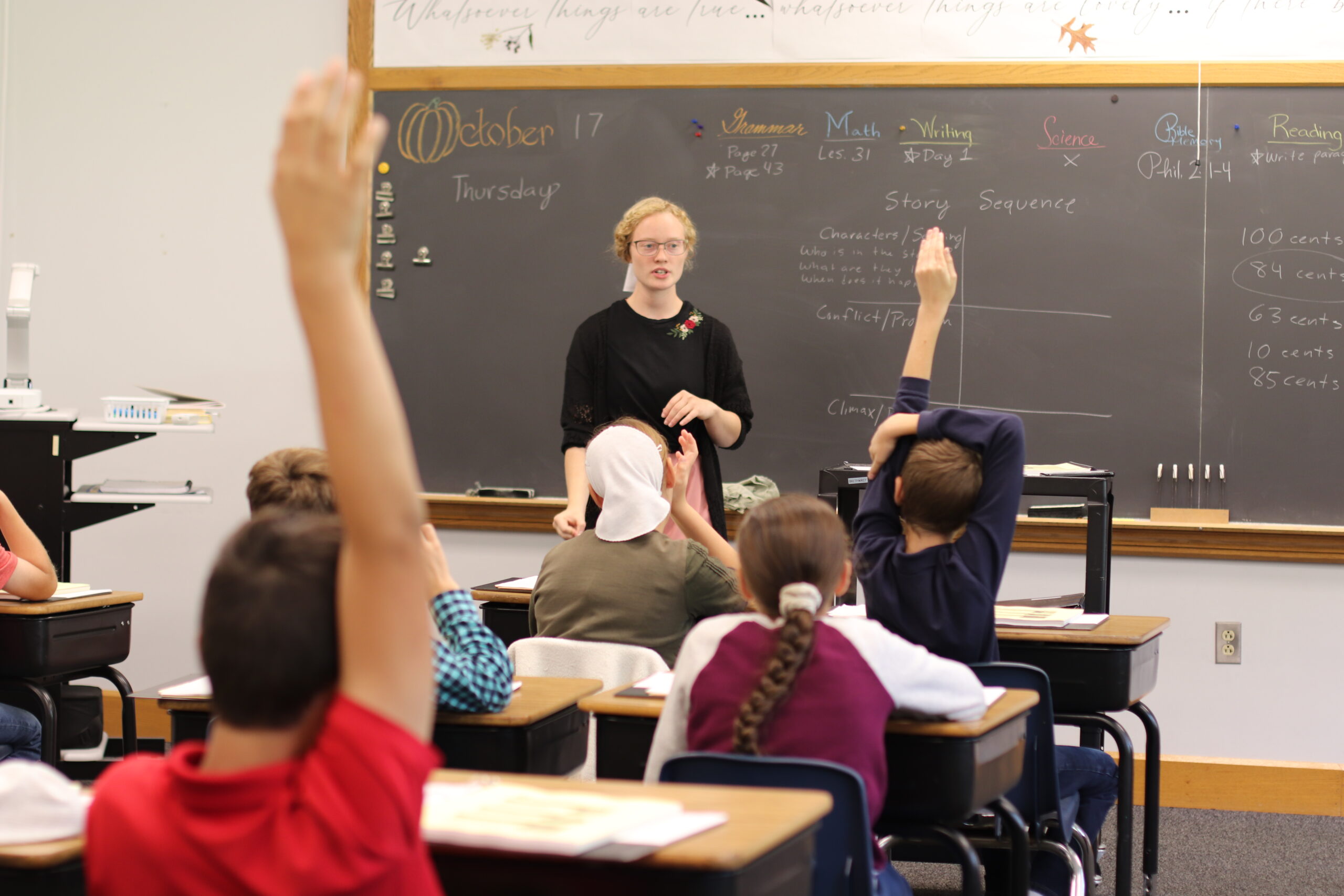
Stimulating, productive discussions are among the most rewarding classroom experiences for both teachers and students. Teachers can use specific strategies to ensure that a discussion doesn’t flop, either due to the excruciating silence of unresponsive students or the uncontrolled chaos of too many
bottom of page