All Content

Black Death and the Coronavirus
Let all the earth fear the Lord;Let all the inhabitants of the world stand in awe of Him.
For He spoke, and it was done;
He commanded, and it stood fast.
The Lord nullifies the counsel of nations;
He frustrates the plans of the peoples.
The counsel of the Lord stands forever,
The plans of His heart from generation to generation�.
�The Lord looks from heaven;
He sees all the sons of men;
From His dwelling place He looks out
On the inhabitants of the earth,
He who fashions the hearts of them all,
He who understands all their works�.
�Behold, the eye of the Lord is on those who fear Him,
Of those who hope for His lovingkindness,
To deliver their soul from death
And to keep them alive in famine.
-Psalm 33:8-11, 13-15, 18,19
I enjoy history, especially medieval history. Currently, I have been taking an in-depth look at the Black Death in Europe during the 1300�s. While I started my study as a way to scratch my medieval history itch rather than in connection with today�s concern about the pandemic currently sweeping the world, I�ve found some interesting parallels. In no way should we equate today�s problem of COVID-19 with the Black Death, either in its death rate or the effect that it had on life during the plague or afterwards. But, in looking at how COVID-19 is playing out on the world scene, we can understand in a small way the devastation the Black Death wreaked on the known world of the 14th century. For anyone teaching world history, here are some parallels you can share with your students.
It started in Asia and progressed westward. It followed the Mongol Horde into the Crimean Peninsula where Janibeg, the Mongol leader had laid siege to the Genoese trading center of Caffa. The siege failed, in great part because plague had devastated the Mongol army. In �the most spectacular incident of biological warfare ever,�1 according to microbiologist Mark Wheelis, they launched the dead bodies of plague-ridden Mongols over the walls of Caffa, and then retreated. When Caffa became a disaster area of disease, many Genoese started for home, taking the plague with them.The plague is zoonotic. This means the disease originates in an animal and then is transmitted to humans.Travel and trade carried it westward with port cities being hit first. Air travel was unknown in the 1300�s, so port cities and trade routes became the entry points.People knew it was coming before it got to their community but were powerless to stop it. Mass media and social media were not available to the medieval world but that did not mean that the news of the dreaded mortality did not spread. Even before plague hit European soil, accounts of a horrible disease had arrived.It produced acts of hysteria and panic. People fled the cities for the countryside, often taking the disease with them. A religious group known as the flagellants staged elaborate displays of public penance in an attempt to keep the plague at bay. Pope Clement VI in Avignon confined himself to his chamber with a fire at each end of the room to keep away the �bad air� or bad humors thought to cause the disease. People held sweet-smelling posies or sachets of spices to their noses to off-set the �bad air.� Other people went to the opposite extreme, fighting �bad air� with bad air, seeking out latrines or other foul-smelling places in hopes of protecting themselves from the spread of plague.Some people carried out their own agendas. King Edward III of England sent his 15-year-old daughter, Princess Joan, to the Kingdom of Castile for her intended marriage to the kingdom�s heir, Prince Pedro. Along the way, they stopped in plague devastated Bordeaux, France against the advice of the mayor of Bordeaux. Joan and her escorts died of plague in Bordeaux, along with the king�s hopes of an alliance with Castile.It produced accusations of conspiracy. One of the most horrific conspiracy stories accused Jews of spreading the plague by poisoning the public wells of various communities. This accusation grew from a forced confession of a Jew in Savoy who, under torture, admitted to poisoning wells at the order of the Jewish leaders.It produced acts of hatred against certain peoples. In response to the fear of the Jewish �conspiracy,� many communities drove out the Jews living there. Many other communities used this as an excuse to launch pogroms against their Jewish populations. This anti-Semitic violence was the worst the world had seen until the time of Holocaust.Governments locked down their communities. In Florence, the city leaders made laws that clothing worn by those who died was to be destroyed, all prostitutes were ordered out of the city, people from infected areas were not allowed into the city, and that those who died were buried promptly. After the first wave of plague passed, the officials required all city leaders who were outside the city to return to their duties. Failure to do so resulted in hefty fines.The economic and social upheaval was huge. The Black Death reduced the population of Europe to approximately half the size it had been on the eve of the plague. The devastation of the labor force meant that those who survived had greater control of their lives. They could command greater wages and better living conditions. Class mobility became more of a reality. The merchant class became firmly established as they controlled more of the wealth than the nobles did.The Black Death laid the foundations for the Renaissance, Reformation, and the modern world. Who knows what long-term effects COVID-19 may have on today�s world?People then and people now, we are more alike than we are different. -Dorsey Armstrong2
_________
1 Wheelis, �Biological Warfare at the 1346 Siege of Caffa.�2 Dorsey Armstrong, The Black Death, the World's Most Devastating Plague
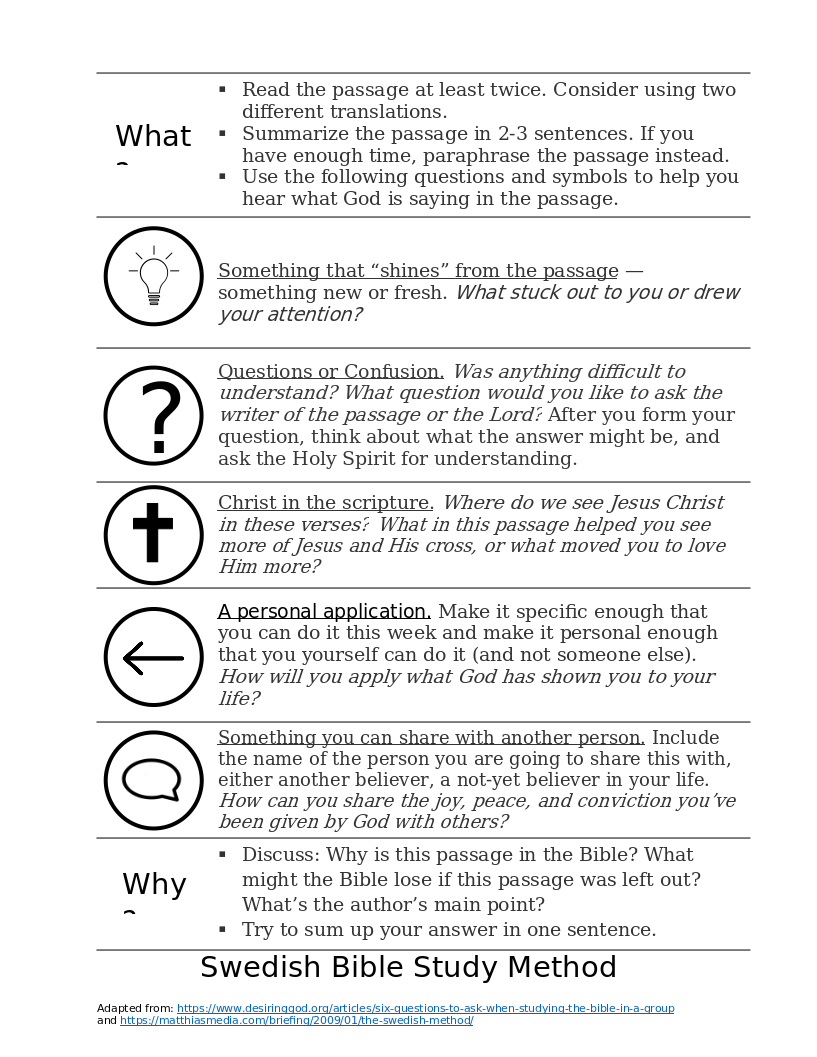
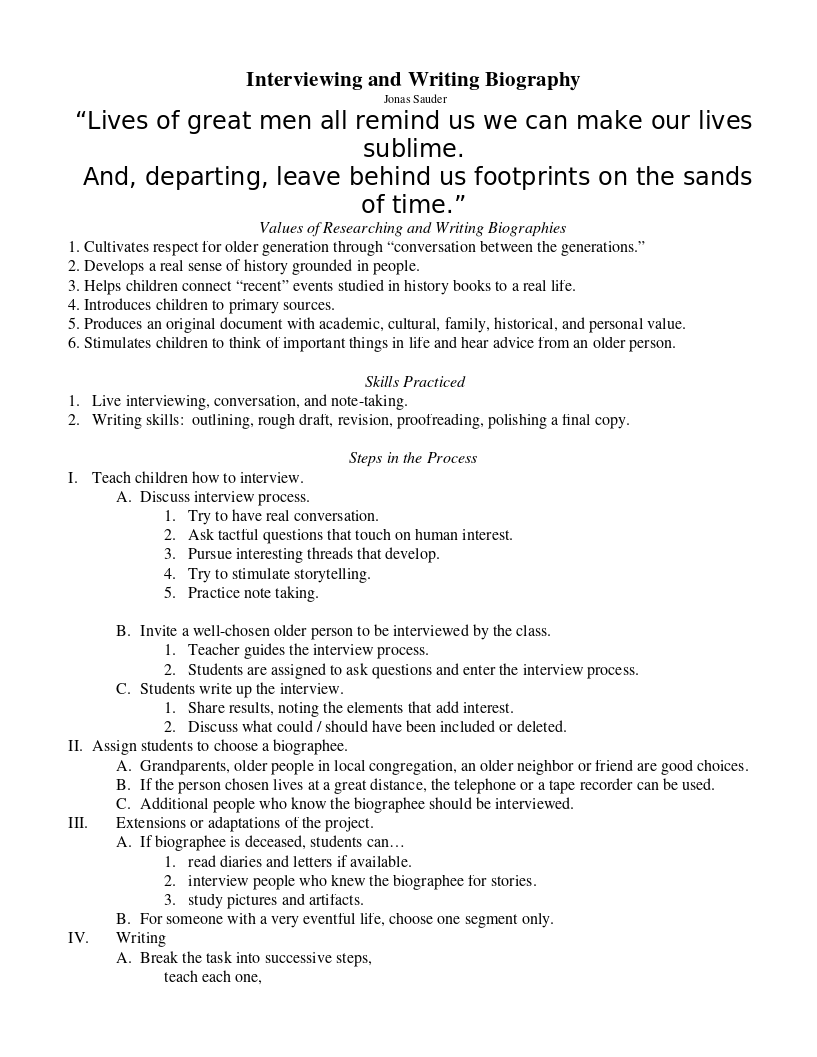
The Swedish Method: One Way to Study the Bible with Your Students
In Bible class, you read a passage together. Then what? In the document below, Piper adapts a simple but effective form of study for use in the classroom.
Download the questions now or read them below.
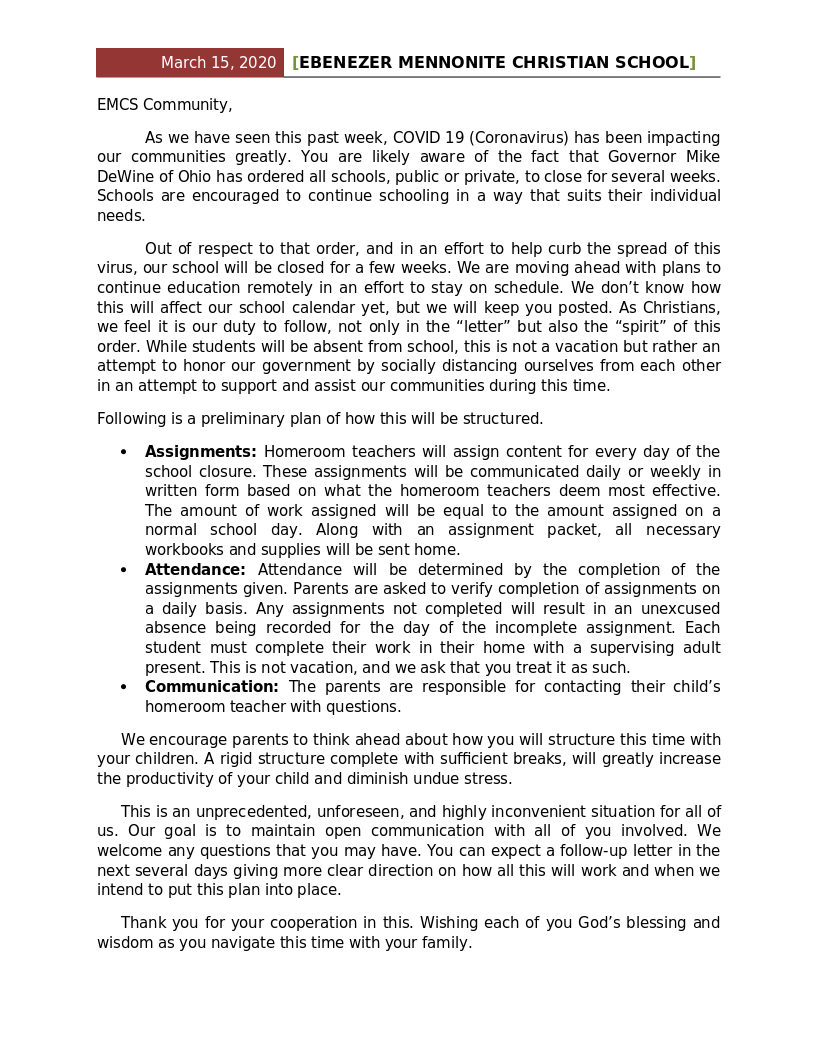
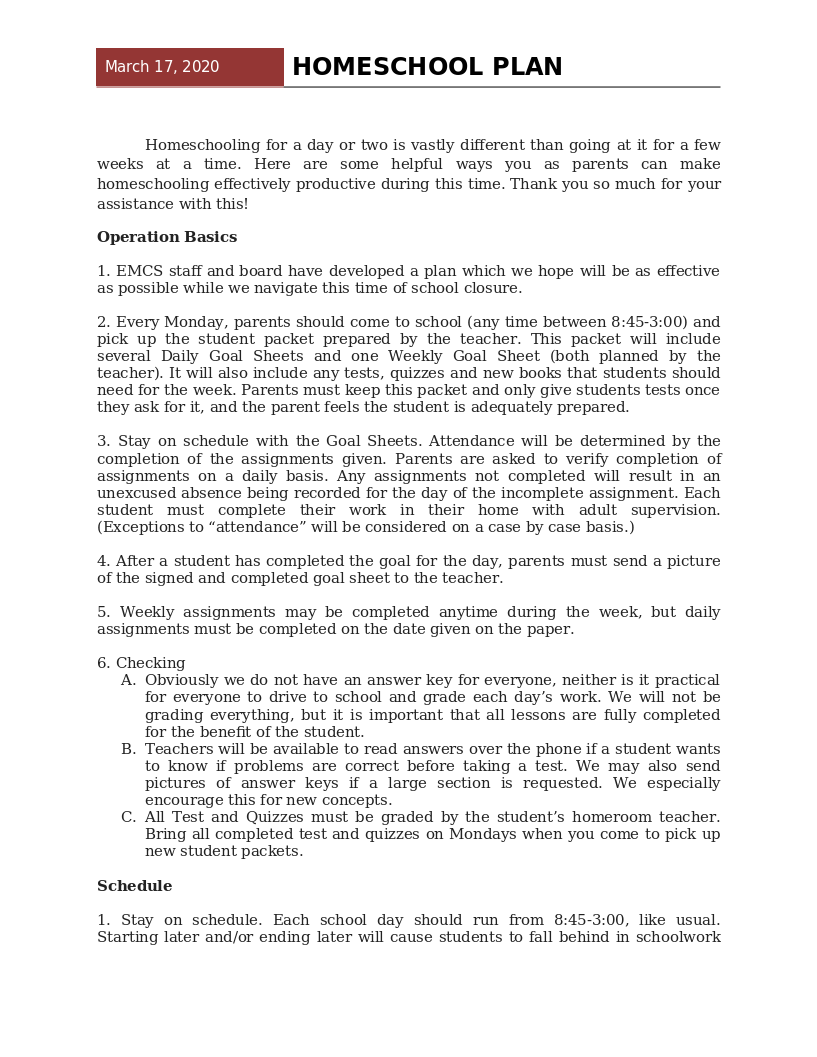
Operation Raven: A Shutdown Letter to Patrons
March 19, 2020
Dear Parents:
Most of us can think back to experiences in our lives that stand out in our memory with special clarity: JFK�s assassination, Apollo 11, Sept. 11, 2001�and I suppose that our children will look back on this event with a similar clarity regarding the COVID-19 pandemic and its impact on society.� Truly, this is a unique and memorable experience for most of us.� And while the normal routines of life for us have been interrupted for a period of time, life must go on, and here at school we want to do what we can to minimize the interruption to our students� education so that the long-term impact of this crisis will not be severe.
These circumstances call for us to move forward with courage and humility.� Courage to face the challenges and do everything we can to overcome them, and humility to acknowledge that we cannot see into the future and always know what exact course will have the best results.� Most of all, we need a steady trust in God and a reliance on His strength and grace.� It will take work and sacrifices on everyone�s part, but I trust that we can work together as a community to support our children�s learning and development during this shutdown.
Our goal during this shutdown is to ensure that the students maintain the knowledge and skills that they have acquired up to this point in the school year and to keep them moving forward academically at a modified, yet steady pace.
We realize that working from home has both its challenges and its opportunities.� Here are few suggestions for how to support your children in their work:
- Maintain a regular structure and schedule. Sticking to your normal school morning schedule may be your best option.� This will help your children stay in �work mode� as opposed to �vacation mode.�� Have a definite time and place to do school work.� Plan regular breaks�this will help your children work harder and better while they are working.
- Stay organized. Each child needs a place where books and supplies belong.� All work should go straight into their assignments folder when they are completed.
- Stay current each day. Don�t let one day�s assignments drag into the next day.� We also ask that students do not work ahead in their books unless a teacher has given special permission for that.
- Provide accountability. Before signing off on the day�s assignments, look over them to ensure that they are done completely and accurately.
- Encourage your child to call his or her teacher when there is a problem or question. The teachers want to do what they can to provide support during this time.
When Elijah was �quarantined� at the Cherith brook, God used a raven to supply his daily sustenance.� We�ve decided to call this hybrid system of schooling Project Raven, as it is our prayer that it will provide the daily educational sustenance for our children.
God bless you and your family!
Download the letter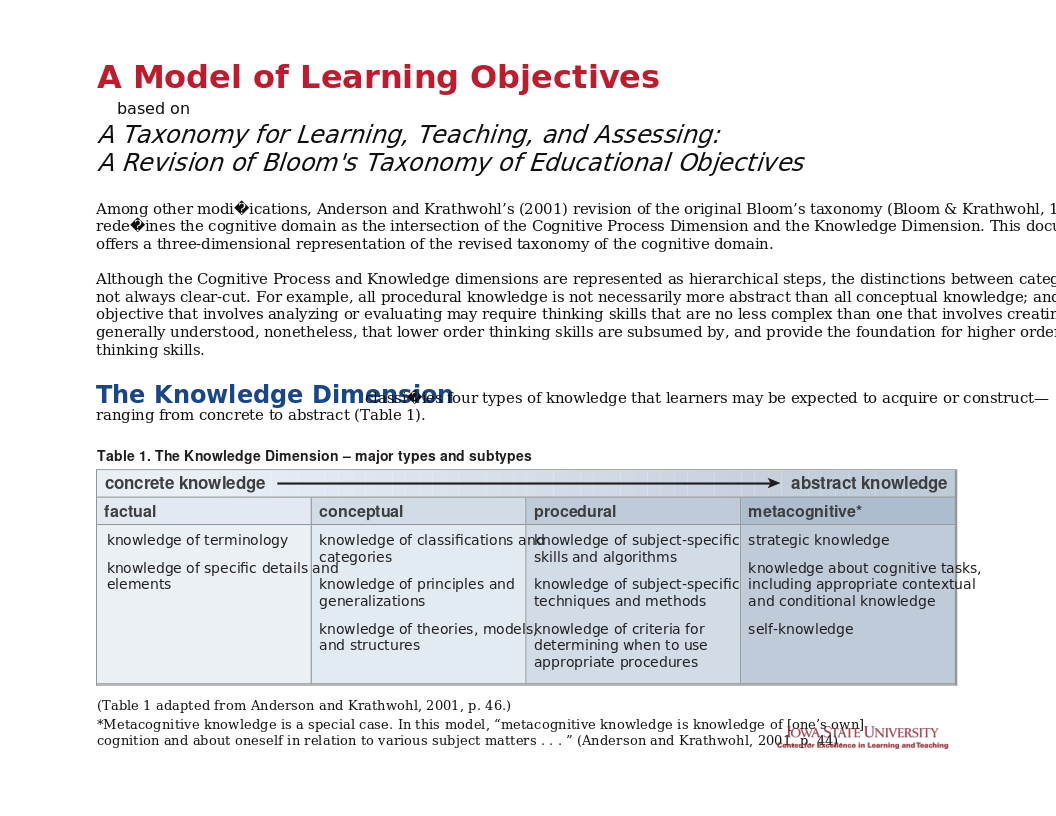
Bloom's Taxonomy, Revised
Bloom's Taxonomy has become a classic way to present the objectives that guide learning activities. The model of learning objectives below, from Iowa State University, suggests a more nuanced understanding of how different levels of questions and activities equip students to work with knowledge. Bloom's Taxonomy Revised, from the IUPUI Center for Teaching and Learning, provides model questions and instructional strategies that correspond with the revised taxonomy.
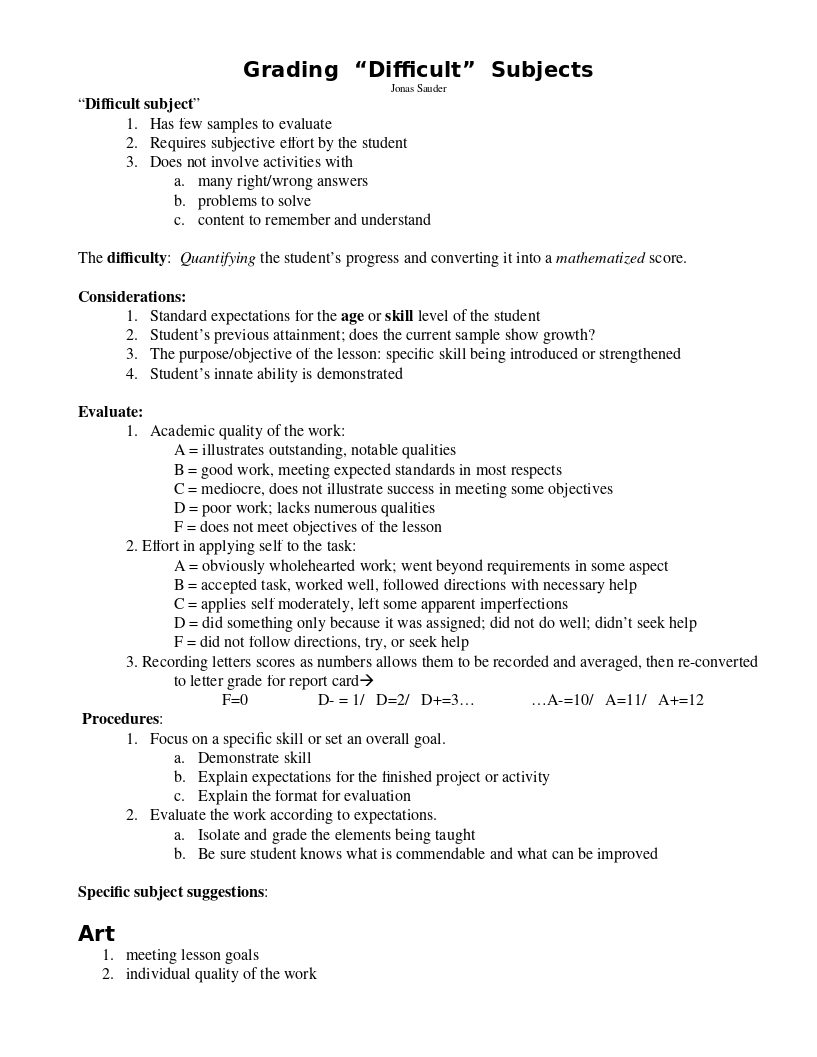


PSLI Panel Discussion
Questions Discussed: Why should I support the Christian Day School movement? Is it possible to over emphasize school? Why did our forefathers choose church schooling rather than homeschooling? We all agree we should pay our teachers enough, but what is enough? What is the purpose of a school handbook? Would we do our communities a services by focusing on extra curricular activities?