top of page

Lectern
Educating Gifted Learners
Who are gifted students and how can we best engage them in learning? Explore the answers to these questions and discover how to incorporate effective teaching strategies that will challenge academically advanced students. From the perspective of a middle grades teacher with 11 years of experience an
Shifting the Focus Away from Grades to Learning
Imagine a world where the energy of our students went into learning rather than just getting good grades. Our school policies and our teaching and grading classroom practices can help to keep the focus on learning or bring the focus back to learning if our students have become hyper-focused on grade
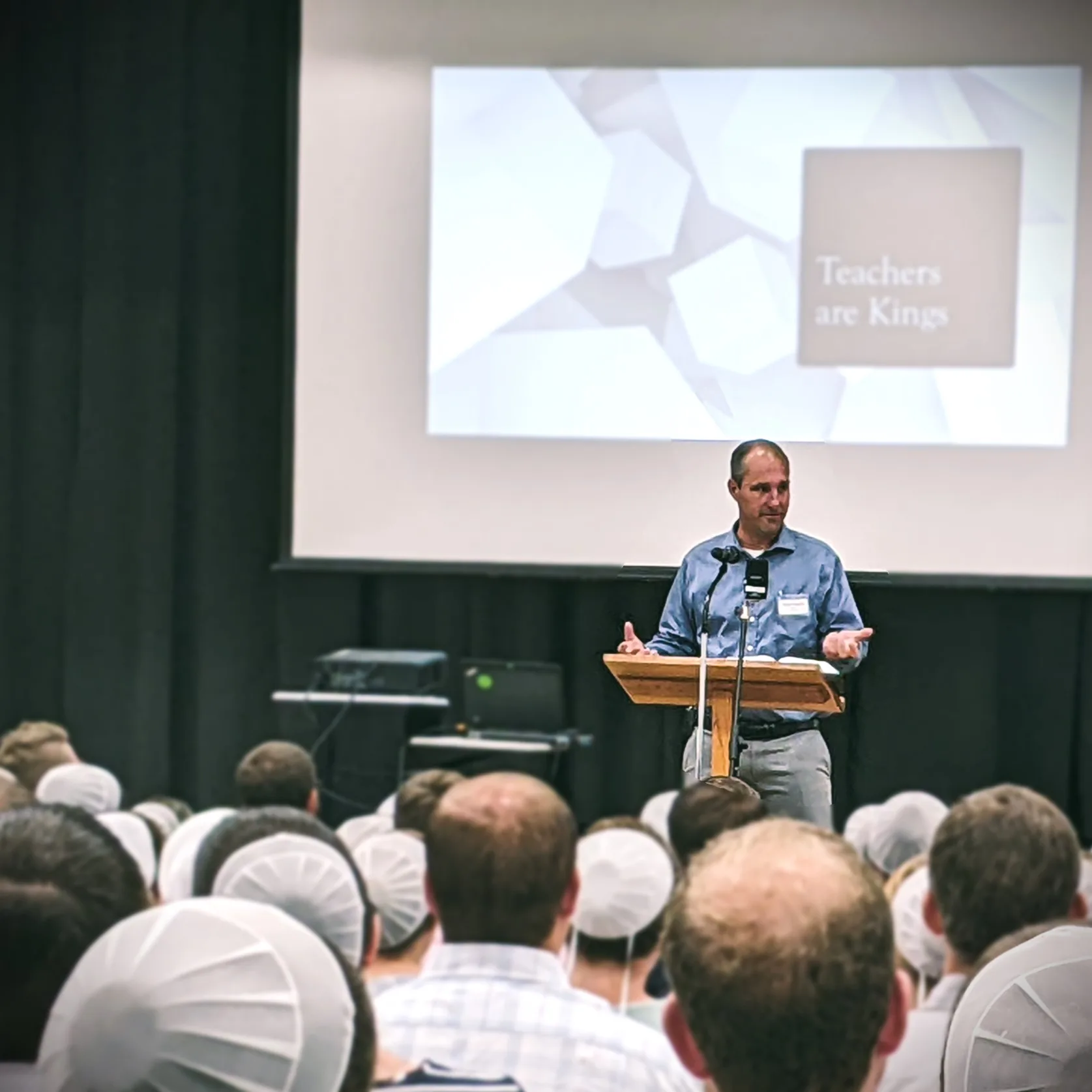
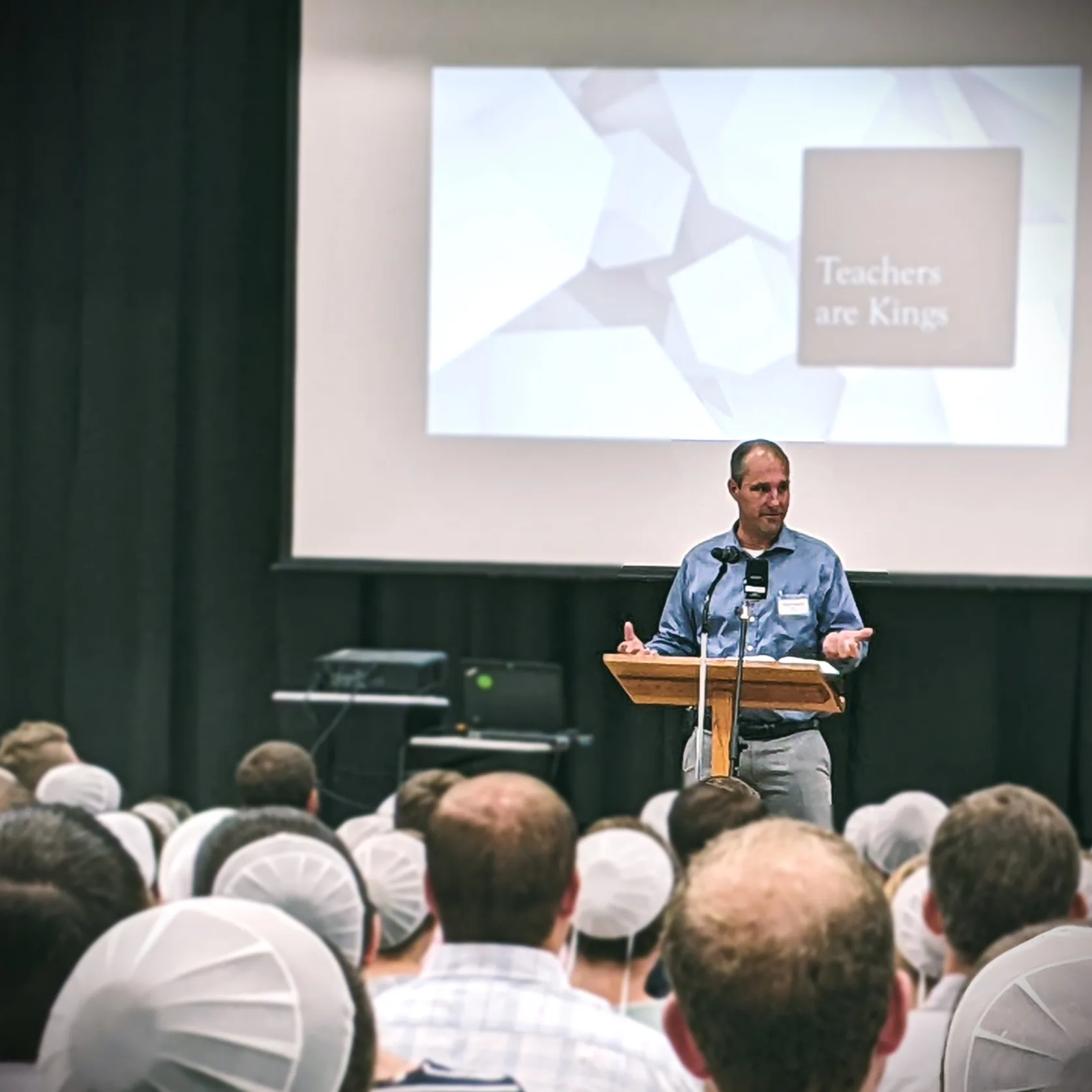
4 Metaphors for Teachers, Metaphor 1: Kings
Have you reckoned with the power that comes with your position as a teacher? You choose, decide, and judge the affairs of your classroom. Dodging this responsibility is not an option: Like it or not, you will rule. How can you use your authority with integrity, to the benefit of your students?
Healthy Teacher, Happy teacher
Are you tired and fatigued while you teach? Does your voice hurt after school? Does your back hurt? Your feet? Do you lose your voice every year? Are you a stressed mess? Do you find yourself thinking more negatively than positively? Things really do not have to be this way. Jeff shares solutions to
In School We Trust? Part 2, Old School, New Clothes
What does Christian school do for a child that secular school does not? Perhaps the difference is often less important than we think, says Kyle. Although Christian schools avoid particular problems--for instance, Anabaptist schools do not have students watch movies or salute the flag--too often we c
In School We Trust? Part 3, Mycorrhizae of Our Faith
Which does your school emphasize: The word of God or mathematics? Personal moments with students or a disciplined schedule? The knowledge of Jesus or the ability to sing? Rather than set up dichotomies like this, Kyle offers the metaphor of a tree, with roots, trunk, branches, and the mycorrhizae--f
In School We Trust? Part 4, You Are Education
With long experience can come great weariness. What if you could teach so efficiently as to say goodbye to all the agony of your first years in the role? Improvements in technique are important, but Kyle reminds us of one reality that cannot be avoided: education is embodied in the life of the teach
Teaching in a Loud World 1: Healthy Habits
We are surrounded by the noise of a dysfunctional world. How do we not only survive but serve others in this world? Joey reminds us that the world not only produces noise; it influences our motivations. Are your habits making you the kind of person you should be?
Teaching in a Loud World 2: Personal Organization
How would you rate your personal organization? Whether you are a 1 or a 10, says Joey, there are likely ways you can better manage your time, tasks, and information flow. Why does this matter? Because disorganization has a direct effect on your ability to serve students. Joey offers practical and co
Teaching in a Loud World 3: Intentional Study
Teachers know things their students need to learn. But teaching is not merely about imparting a static body of knowledge. Do you model for your students a life of growth in understanding and wisdom? Joey offers seven principles that should inform your study habits.
Trauma, Part 2: How Can I Teach this Child?
Johnny shows no physical signs of developmental delay, but early trauma has a part to play in the missing pieces of his development. Although not the only ones affected, foster and adopted children likely experienced trauma in their early life. Becky discusses how teachers can help trauma children g
Wholesome Living for Effective Teaching, Part 1: Cultivating Spiritual Virtues that Energize
Teaching school makes strong demands on the teacher at multiple levels. Teachers are givers and need large reserve input reservoirs to draw from for sustainable life-giving teaching over the long haul. What are these input reservoirs and how do we keep them full? In this session, Part 1 of the serie
bottom of page