
All Content
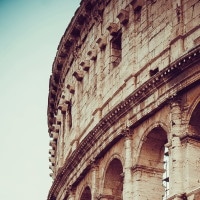
Perpetua: A Compelling Story for Devotions, History, or Literature Class
Perpetua, a Roman noblewoman and mother of a small baby, came to faith in Christ during a time when it was illegal to convert to Christianity. She was arrested, along with four other catechumens. Two were slaves: one of the slaves was a pregnant woman named Felicitas. Later, their mentor Saturus voluntarily joined the group to give his life along with theirs.
Perpetua came from a wealthy family and had received many privileges growing up, including an education that taught her to read and write. In prison, she wrote down her experiences and several visions that God gave her. Just before her death, she gave the journal to a fellow Christion. Her story was edited by Tertullian of Carthage, who added a preface and an account of her martyrdom, and the work was preserved for posterity. It has convicted and inspired many thousands of Christians since. Perpetua is notable both as an early Christian writer and one of the earliest who was a woman.
I Am a Christian
Soon after her arrest, Perpetua�s father tried to persuade her to give up her faith. �Father,� she said to him, �do you see, let us say, this vessel lying here to be a little pitcher, or something else?�
�I see it to be so ,� he said.
�Can it be called by any other name than what it is?� she asked.
�No.�
�Neither can I call myself anything else than what I am: a Christian.�
Two Mothers and their Faith
Perpetua was separated from her baby boy when she went to jail, and as any mother would, suffered great anxiety. During a visit with her family, she tells of nursing the baby, who was faint from hunger. Eventually, she was allowed to keep the baby with her in prison and then, she says, her health returned and the dungeon became a palace.
One day, while the prisoners were eating breakfast, they were unexpectedly hurried away to the forum, where court trials were held. A crowd gathered to watch as each prisoner in turn admitted their guilt of having converted to Christianity. Just before Perpetua�s turn, her father came to her, holding her baby. �Have pity on your baby,� he pleaded with her.
Hilarianus the governor took up the father�s plea. �Have pity on your father's grey head; have pity on your infant son. Offer the sacrifice for the welfare of the emperors,� he commanded.
�I will not.�
�Are you a Christian?� asked Hilarianus.
�Yes, I am.�
When Perpetua�s father continued to plead with her, Hilarianus commanded him to be thrown to the ground and beaten with a rod: a pity-inducing specimen of age and grief. Hilarianus then sentenced the imprisoned Christians to death by wild beasts in the arena, and they returned, joyful, to their dungeon. Perpetua sent for her baby, but her father refused to give him back. However, Perpetua tells us, God willed that the child no longer needed to be nursed and that her breasts did not suffer any inflammation. Thus, she was spared both worry for her baby and pain in her breasts.
As the day of their sentence grew nearer, the slave Felicitas, eight months pregnant, grew more and more distressed. Since it was illegal for a woman with child to be executed, she feared that her martyrdom would be postponed and�rather than facing death with her fellow Christians�she would have to face it later with strangers and criminals. Two days before their sentence, the imprisoned Christians as a body cried out to the Lord in �one torrent of common grief.� Soon afterward, Felicitas went into labor.
Because of her early delivery, the labor proved to be difficult. �You suffer so much now,� one of the prison guards said to her. �What will you do when you are tossed to the beasts? Little did you think of them when you refused to sacrifice!�
�What I am suffering now,� Felicitas replied, �I suffer by myself. But then another will be inside me who will suffer for me, just as I shall be suffering for him.�
She gave birth to a girl who was raised by a fellow Christian woman as her own daughter.
A Courageous Death
On the �day of their victory,� the prisoners were marched to the amphitheater �joyfully as though they were going to heaven, with calm faces, trembling, if at all, with joy rather than fear.� When they were to be forced to wear robes honoring the Roman gods Saturn and Ceres, Perpetua bravely spoke out. �We came to this of our own free will, that our freedom should not be violated,� she said. We agreed to pledge our lives provided that we would do no such thing. You agreed with us to do this.� Even the military tribune recognized the justice of this, and soldiers marched them to the arena as they were.
Perpetua and Felicitas were sent out together to be mauled by a savage heifer: an animal deliberately chosen to match their gender. The heifer tossed Perpetua, throwing her to her back and ripping her tunic. She sat up, hastily pulling the torn tunic around herself�more concerned for her modesty than her pain�and asked for a pin to fasten her dishevelled hair. It would not do to go to her death with untidy hair, as though she were mourning instead of triumphant. Perpetua then stood and, seeing Felicitas crushed on the ground, went over to her and helped her up. Together they stood.
The mob�s thirst for violence now satisfied, they were called back through the �Gate of Life� to safety. The mob then demanded to see the final death of the martyrs�all of them having been maimed but not killed by the wild beasts. Perpetua, Felicitas, and their companions took themselves of their own accord to the place the mob desired, where �they sealed their martyrdom with the ritual kiss of peace.� One by one, soldiers ended their lives with a sword. When Perpetua�s turn came, the nervous young soldier struck wrong, causing her to scream as the sword struck bone. While his hand still trembled, she took it in hers and guided it to her own throat. Thus, she died.
Further Resources
I have included only some of Perpetua�s story in this retelling. The story as she and her editor wrote it is not lengthy but includes more details, including the visions that she and another prisoner were given and a description of her fellow martyrs� deaths. While the story is available in several English translations easily found through an online search, my favorite is an updated, easy-to-read translation published by Paul Pavao (originally translated by Dr. Peter Holmes in 1868). Pavao�s side notes and pictures add background and aid in understanding:
In addition, you can find an abridged and easy-to-follow translation done by Herbert Musurillo, published in The Acts of the Christian Martyrs and online. This one that could work well for reading aloud.
Voice of the Martyrs tells Perpetua�s story in Torchlighters, a video series for children highlighting heroes of the faith. You can stream the thirty-minute drama for a small fee, or buy the DVD. It includes not only Perpetua�s story, but a leader�s guide and student handouts and a 61- minute documentary with early church experts, filmed in Tunisia where her story took place.
Why It Matters to a Teacher
Perpetua�s compelling story could be used in the classroom in multiple ways. Here are a few suggestions:
In a devotional: The story of her conversation with her dad (told under the heading �I Am a Christian�) could work well as an object lesson using a vase or pitcher. Her simple, profound statement of faith is appropriate for a young person of any age. Her complete story could be told to young children, or read to older ones, as an example to inspire their own devotion.In history class: A study of Perpetua would complement a study of Roman history or of the early Christian church. For older students who are learning about primary and secondary sources, her story would be an excellent choice as a short but complete primary source.In literature class: Persecuted Christians inspire our Christian faith, but we seldom delve deep enough to discuss the motivations and thought patterns of the persecutors. Literature class would be a good time to do so. We might wonder:- How could one person so dehumanize another as to make a game out of their death?
- Have similar things happened at any other times in history and to any people groups other than Christians?
- What prejudices, preconceptions, and learned patterns of thinking might influence this way of acting?
- Are people who persecute completely evil, or only misinformed?
- Do we detect any persecuting tendencies in our own selves or cultures?
A great story to complement this discussion is �Marriage Is a Private Affair� by Chinua Achebe.
Perpetua. The Passion of the Holy Martyrs Perpetua and Felicity. Edited by Tertullian. The Robert-Donaldson translation. Early Christian Writings. https://www.earlychristianwritings.com/text/tertullian24.html Accessed 2/28/2020 ibid ibid ibid� ibid� ibid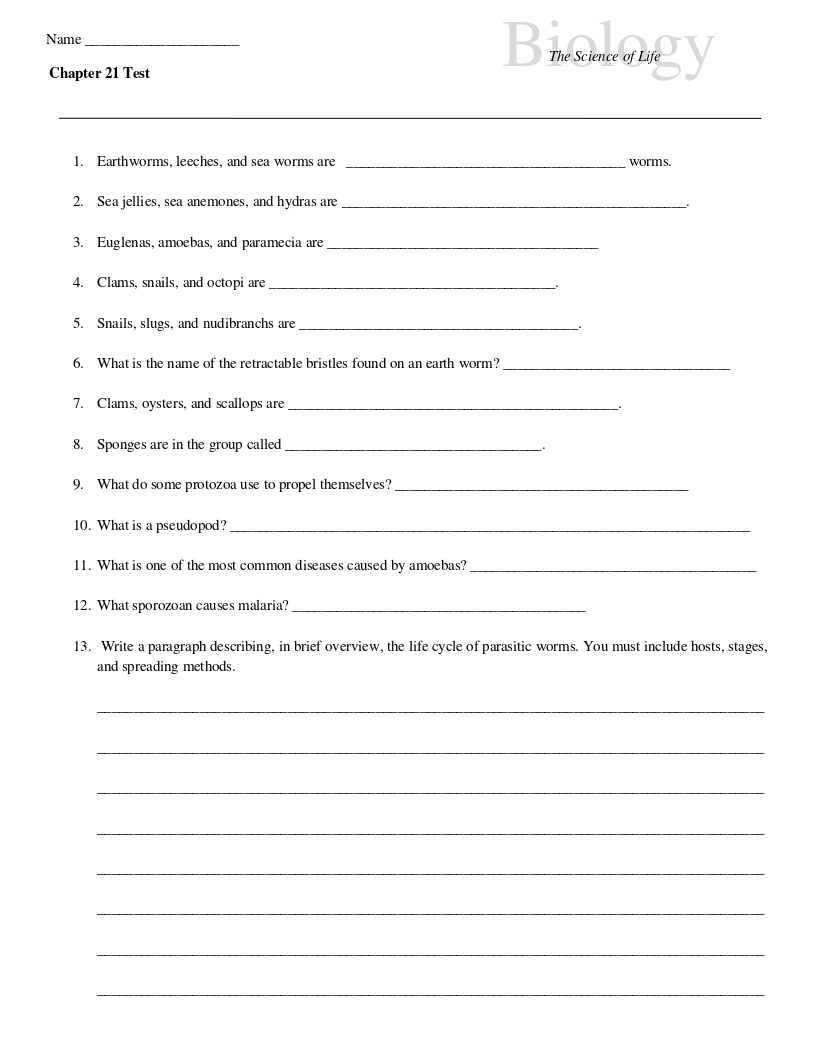
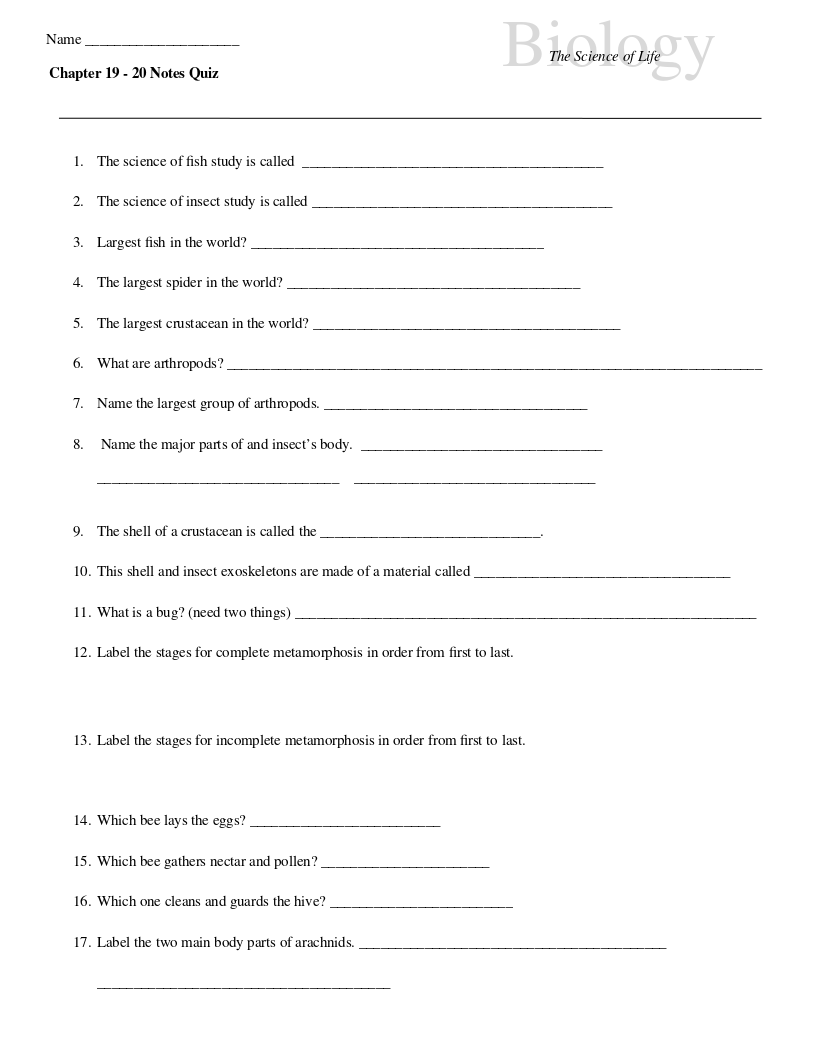
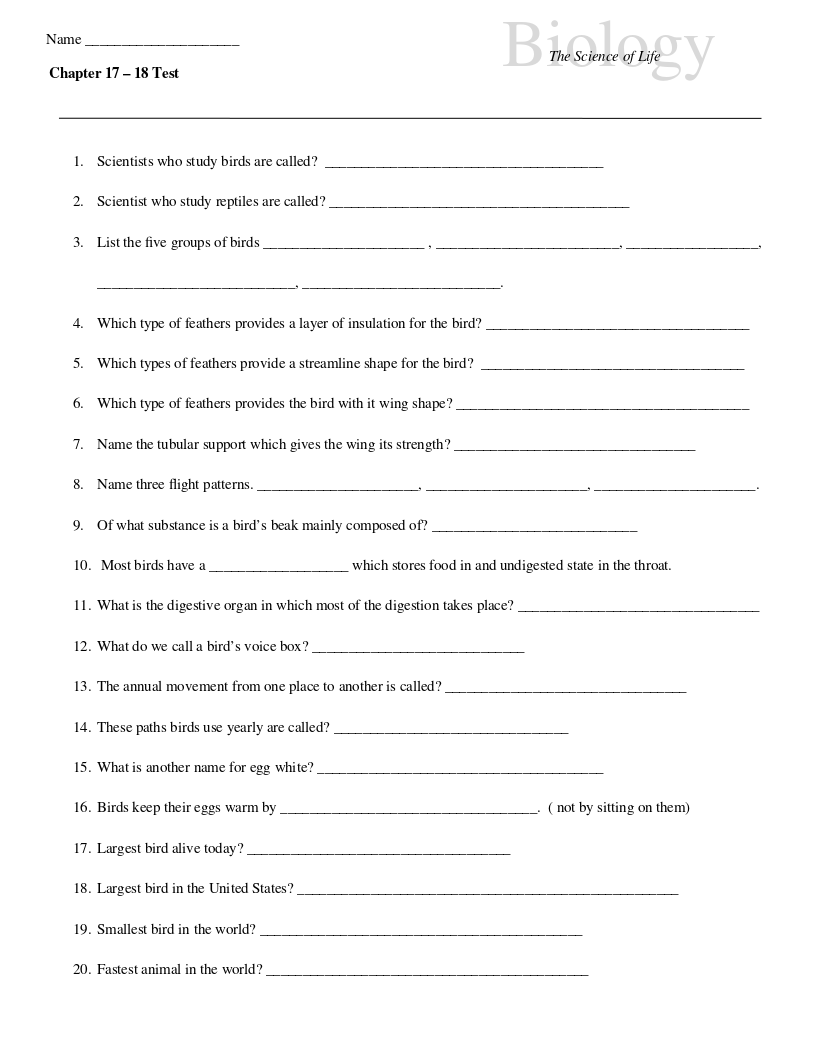
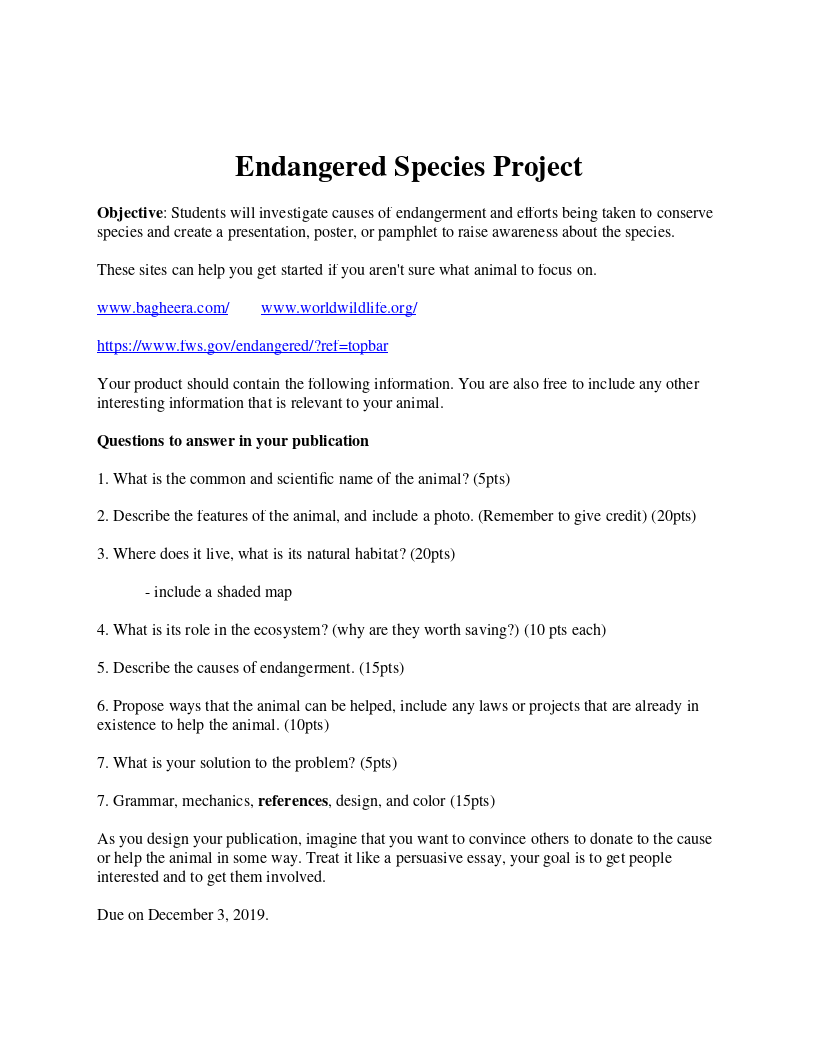
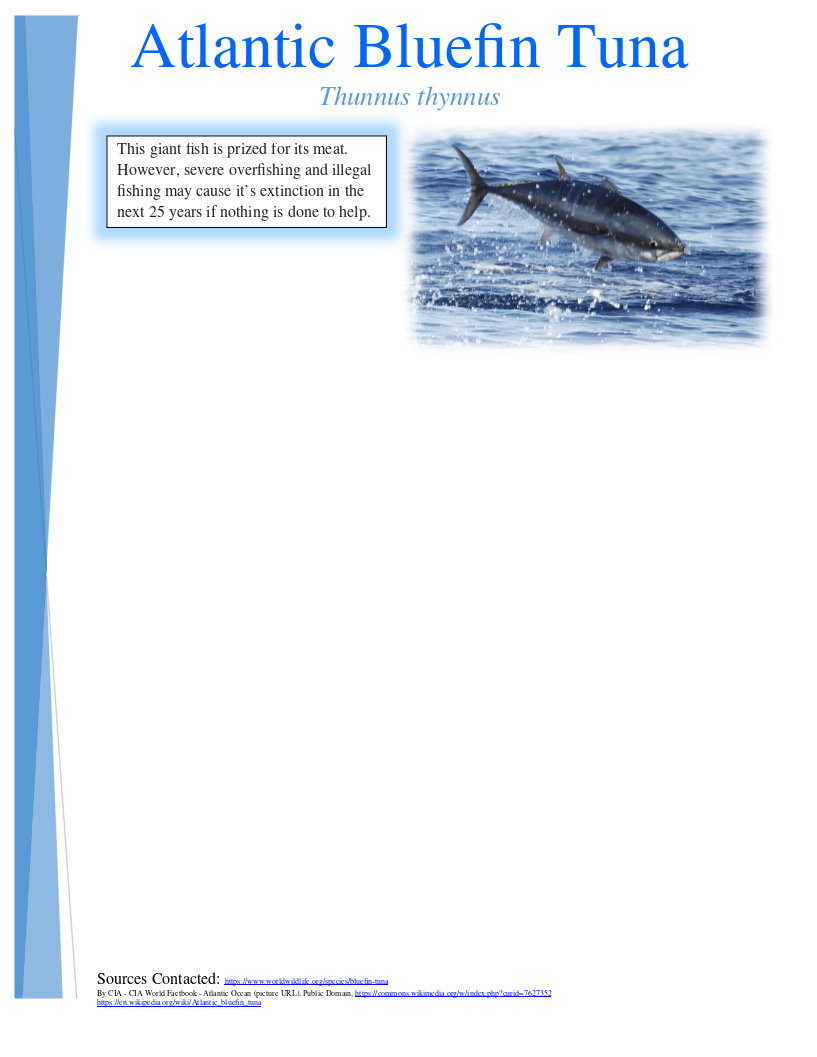
Endangered Species Project Rubric
This rubric specifies the criteria used to evaluate a project on endangered species. The document also includes focus questions and research sources. Although it is designed to fit A Beka Biology, download it and modify it to meet your class needs even if you use a different text. Here is a project example.
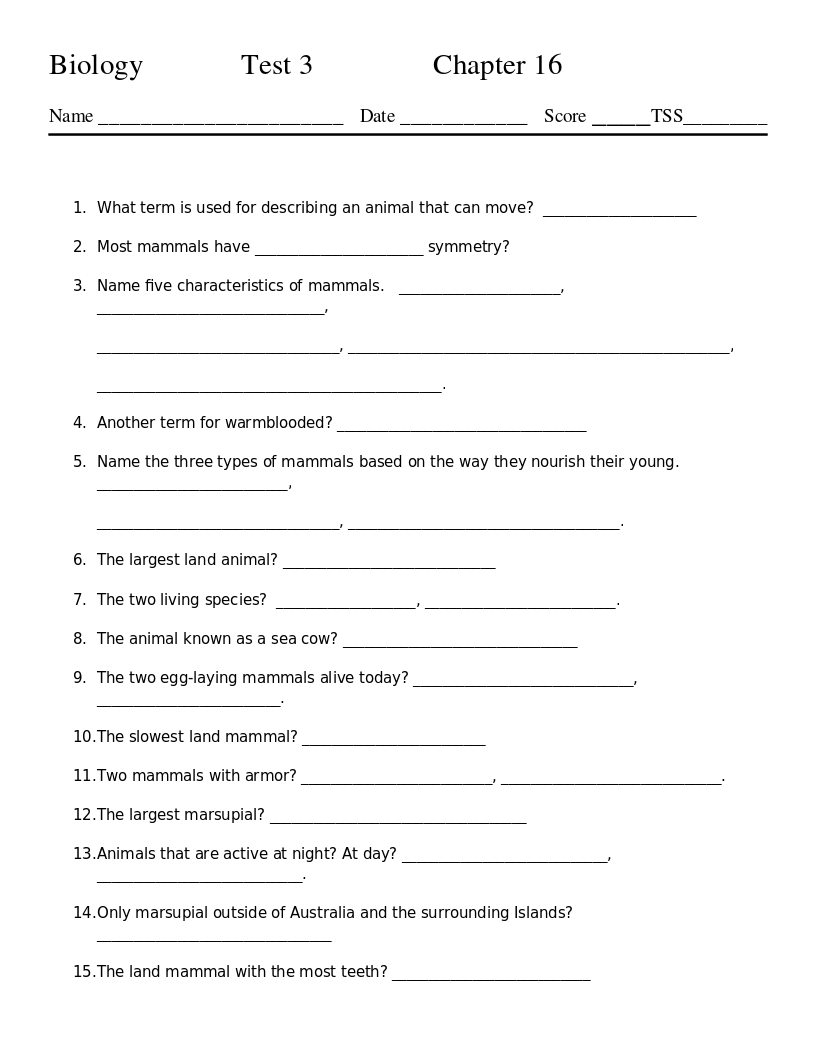

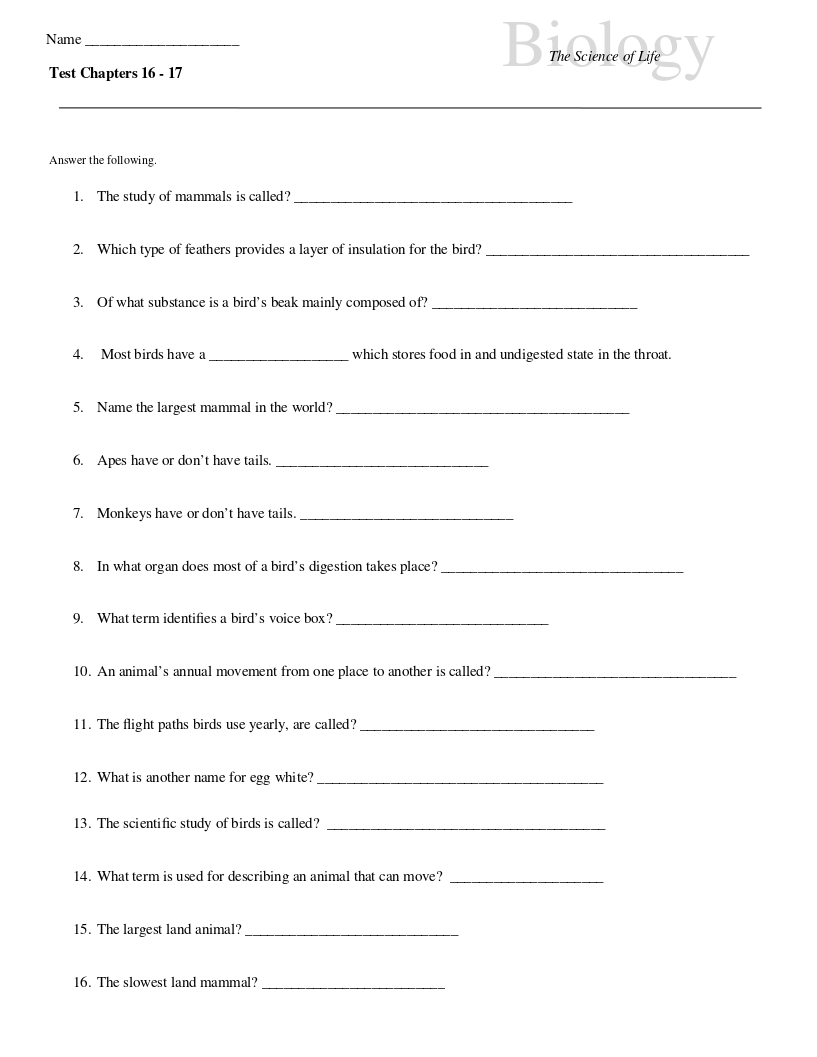
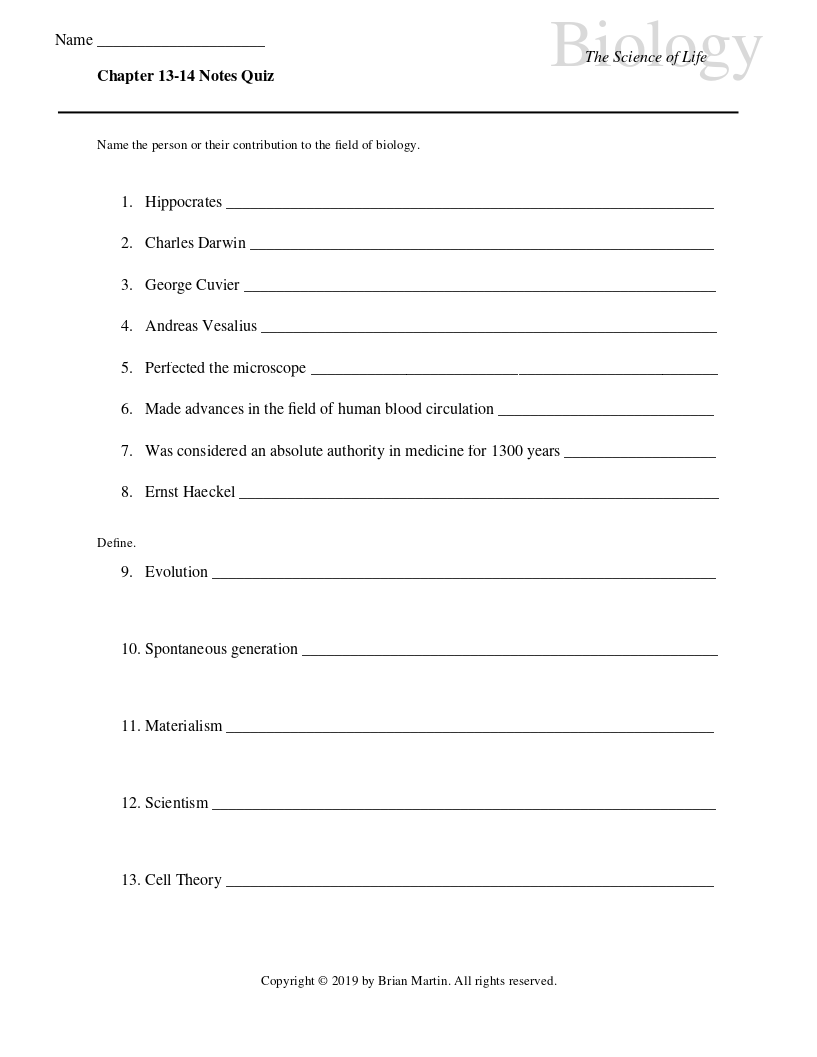


Bursts of Teaching Ideas
Sympathy Ice
A sobbing child shows the teacher a bump on his arm. Another little person extends her hand, “See this cut here? It hurts.” Marie complains, “When I go like this, it hurts!” as she pushes her hands together in a very unnatural manner!
Sometimes the children just need some attention, someone to look at that minute scratch or little bump, someone to care that this doesn’t feel good. I look at these injuries, comment, give some attention, a pat on the shoulder, and tell them what to do. Often, they need to be able to take some action and that satisfies the need. For “My belly hurts,” I tell them to go to the bathroom and get a drink. For “My head hurts,” advise them to take a drink. Letting them know that soon it will be lunchtime, or “Recess is coming soon and you can get some fresh air” also helps. A teacher I once worked with would sometimes get the ice pack and let the child have some “sympathy ice” as he called it. He knew the child really didn’t need ice but did need someone to care and show some sympathy, and that ice pack worked wonders.
Edible Punctuation Marks
We made learning about periods, commas, question marks, and exclamation marks exciting by making edible punctuation marks. We used red hots for periods, elbow macaroni for commas, and stick pretzels with red hot dots for the exclamation marks. We made a question mark by curving a piece of string licorice and adding a red hot dot. Other round items such as gum drops, round crackers, mini-marshmallows, or cereal would also work for the periods and dots.
Take Note of Good Books
Our Book Week theme this year was “Take Note of Good Books,” combining reading with a musical theme. We followed the theme in decorations as we hung musical notes and symbols, displayed art projects with a musical theme, and had a table display of a hymnal, Bible, and decorated 45 rpm records. A collection of creatively designed musical notes flowed up the side of the doorway and across the top in a fascinating display. (The students had turned musical notes into animals or other objects.) A banner of the theme hung across the front entrance and inflatable musical instruments hung from the library ceiling.
Each class set a goal for how many books they would read in the week and as students read books, they put musical notes on the large staff outside their door. (The staffs were made with a chalk-holder which held black Sharpies and were drawn with some waves across a long piece of paper.) Each class had a staff for their notes and made the notes by putting a fingerprint note on a line or space and drawing on the note’s stem. Classes who met their goal were rewarded with drumsticks (the ice cream kind!) After chapel, the elementary students enjoyed a program that combined books and music as they sang through several books (On Top of Spaghetti, Teddy Bears’ Picnic, The Wheels on the Bus, This Little Light of Mine).
Wrinkled Hearts
I really like this little poem:
Before you act,Think and be smart.
It's hard to fix
A wrinkled heart.
I typed it up and displayed it in the center of a bulletin board. I cut out six large hearts and wrinkled them up then spaced them around the poem. Every few days I place a smooth, unwrinkled heart on a wrinkled heart. The smooth heart has a verse or saying that would help to encourage a wrinkled heart. To go along with this, I read the book Chrysanthemum to my class and each time the children in the story spoke unkind things I made a big wrinkle in a large paper heart. We talked then about how we want to be careful what we say and do and how we treat people. We tried to smooth out the wrinkles, but could not get them to go away. We compared this to the hearts of people and how we might hurt someone’s heart (feelings).
(Chrysanthemum is by Kevin Henkes. I do not know who wrote the poem. I tried to find that info, but could not. This idea is not totally my idea, but I’ve adapted it from some ideas I found online.)

Grooming a Story
Why are some stories powerful, while others fall flat? Jim encourages us to tell stories with economy, empathy, universality, and tension--and offers plenty of example stories. This excerpt was taken from a longer talk, Stories that Teach presented at Western Fellowship Teachers' Institute 2019.
Study Guide for Works of Literature
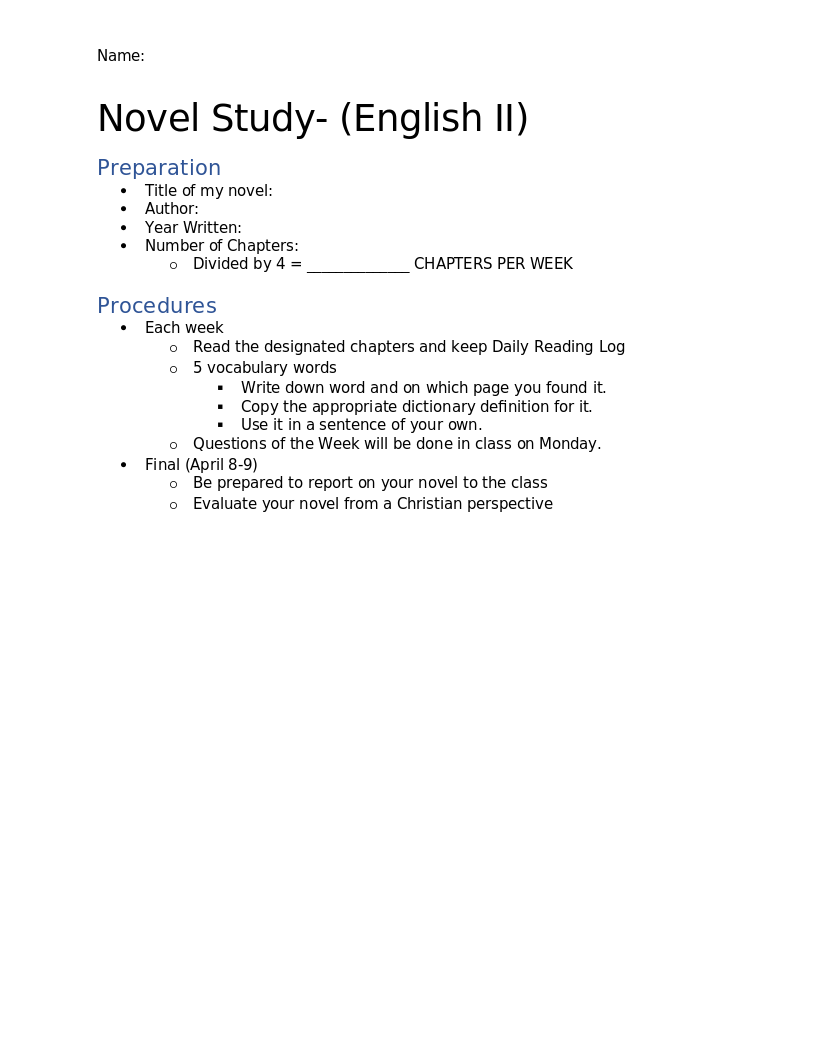
This study guide outlines steps in the process of studying and reporting on a work of literature, particularly a novel. Page 2 provides a selection of titles with which such a study guide might be used.
Download the document or preview it below.
Note that the document may not display correctly below; download it and open it in Word or Open Office for better reading.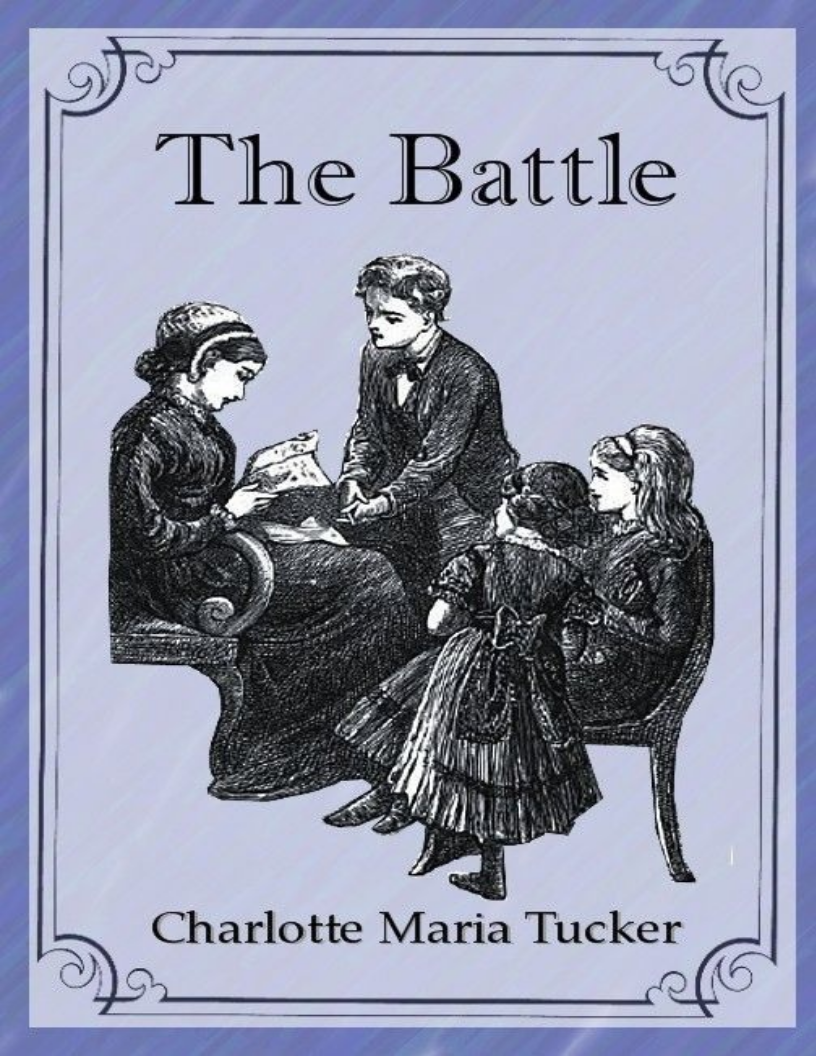

The Giant Killer, or The Battle Which All Must Fight with Study Guide
This 1868 novel by Charlotte Maria Tucker (ALOE) begins the Robyn family series. In this book, the Roby children struggle with sins that mirror the struggles of a knight named Fides in an allegorical book their parents reads to them and the Probyn twins. In that story, Fides has to battle and overcome giants that include Sloth, Selfishness, and Untruth. From this story the Roby children and the Probyns learn how to defeat their own giants.
Teaching is Bigger Than I Am: Facing Inadequacy and Maintaining Vision
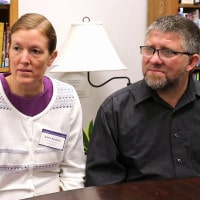
Steve
I taught for about 16 years. Arlene's been a key part of the school. She taught...
Arlene
One full year and several parts. Different callings are different, I don't know that it has to be a team effort. Every husband needs prayer support.
Steve
But Arlene and I have shared a lot of the load in that. I mean, in practical was she brings to the classroom the art, the creativity, the bulletin boards, these kinds of things.
Arlene
I do all the decorating. Like charts, like the hundreds, you know, I'll figure that out, I'll usually come up with his story books for the year, organizing, just the organizing the classroom and trying to make it run smoothly.
Steve
I am more of a relational person and a people-oriented person. Organization is something for someone else. And she brings order to what I do.
But beyond that, she grew up in a learning environment, where education is valued. And I count it a huge gift that I can talk about my work at home. I have support and aid and wisdom and that's great.
Arlene
I think he's amazing. Some guys would probably get territorial or... He welcomes as much input as I want to put into the classroom. I've never sensed any insecurities or you know, "This is my job or my space, or..."
Steve
We've done things over the years like when I was in high school, more, she would do things like Christian ethics class, there would be girls' conversations and then I would have guys' conversations and it was great to build those relationships together and do the mentoring sort of side by side in a way where she knew where the girls were and she was able to get into questions that were not so much for me, you know? Still, it was valuable to be able to speak into their lives.
But one of the other questions we talked about was "How do you deal with inadequacy as a teacher?" And it's kind of a strong statement: we ought to embrace that inadequacy or we ought to welcome it because it's teaching school. Mentoring children, bringing up the next generation, is... I'm inadequate for it. It's bigger than I am. And as I enter into that mission, that call that God has on my life, I have no space to be territorial about it. It's all hands on deck, it's way bigger than I am.
I sort of withdraw sometimes into my books or into my things that I'm going to do. And just downtime. And I have a basement office and, leave me alone for a while. In the bigger picture, I am blessed to be part of an accountability group at church where there's several men that meet together regularly, and more than once, I've had to blow quite a bit of steam in those conversations and other men speak life to me and engage and remind me of the big picture, and call me to what God has to say to it.
Arlene
What I need from him sometimes when we just get bogged down in just the dailiness and you know, the late hours... I need him to keep verbalizing his vision. You know, the long-term picture. You know, we're raising these adults, you know, not just training children. Providing that vision out loud, because I think he lives with it, but I forget it sometimes.
Steve
Raise the awareness of the vision. Raise the awareness of why it's worth the sacrifices. And is that a God thing? I'm not sure; is that something that we pray for and the Lord opens our hearts to the amazingness of the call to be a teacher? It's a privilege to be there with other people's children and share information, yes, but life more. Verbalize the blessing that it is to be allowed to teach grammar and history and math to these children. To shape their lives for the future.
In regard to a young teacher feeling inadequate, I would say a word to administrators and board members. You need to be paying attention; that the teacher who really is struggling isn't going to verbalize it very quickly sometimes. You'll get a certain amount of verbalizing, but then sometimes you won't get, depending on personality types. But the board needs to be vigilant, administrators need to vigilant in figuring out where people are at. Press into it and reassign.
But as a person, I go back to the notion that we are inadequate. Embrace it. The Lord has a purpose for you, he even used, you know... the Old Testament, the Scriptures are full of inadequate people doing God's work, doing big work. And we are treasures in earthen vessels, that's what we are. We're fallen, we're broken. We have big work to do. Praise the Lord, we don't have to do it in our own ability and strength. We have greater strength than our own.