Washing Feet

Ah, the challenges in gaga ball.
Justin sorrowfully reported after recess, “They were ganging up on me and trying to get me out! I asked them why they were ganging up on me, and they said, ‘Because you’re the littlest.’”
Curt and Derek immediately chimed in, “We saw it happening and we stuck up for Justin.”
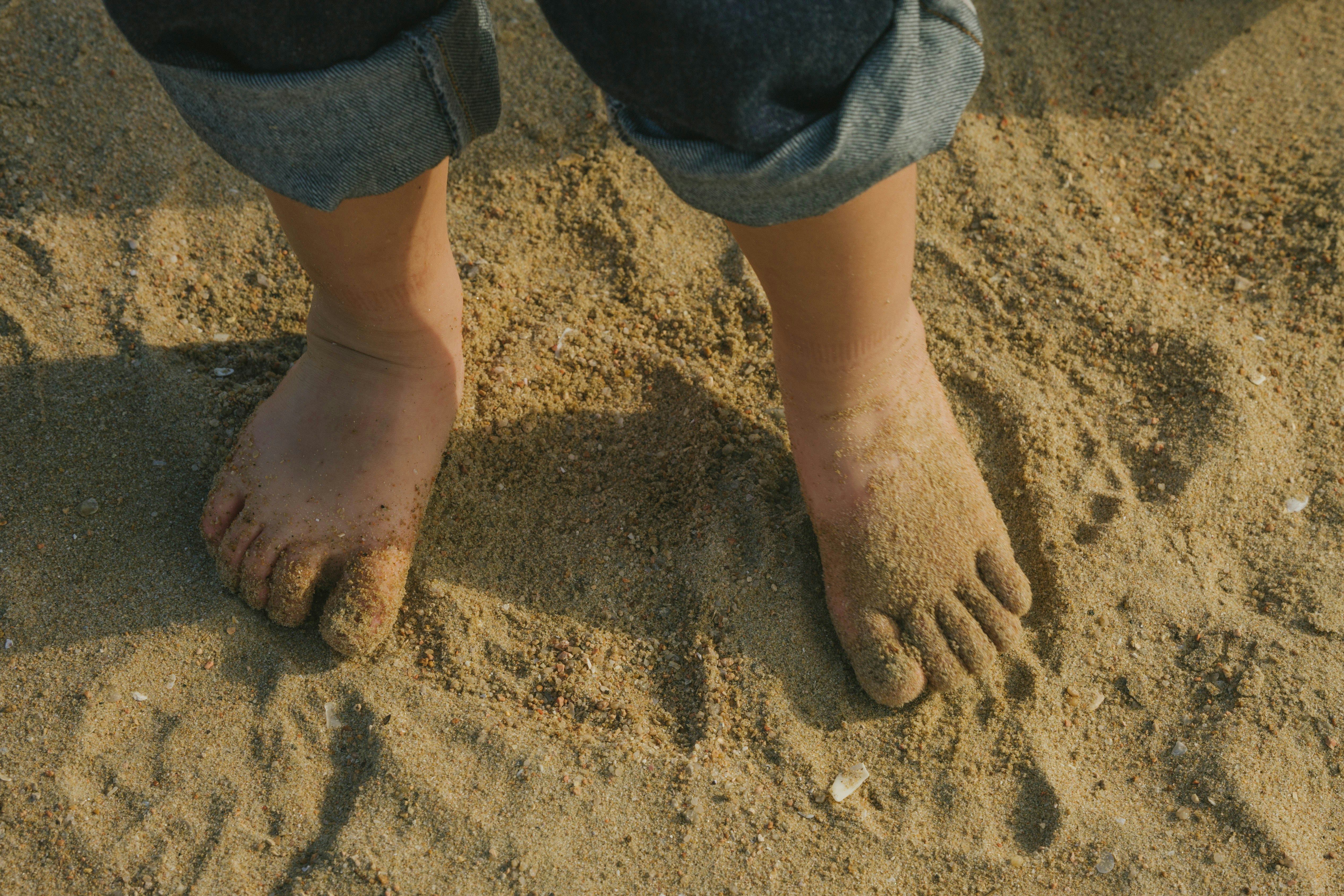
I was blessed to hear that they cared for and championed Justin. We talked about being kind and about playing at recess, and so on. What I’m thinking of is how Curt and Derek “washed” Justin’s feet. Literally washed his feet in a gaga game? No, but they served him by sticking up for him.
What does it look like to “wash feet” at school—students’ feet? parents’ feet? colleagues’ feet? I’ve pondered this since our faculty devotions on this topic. We read from John 13 about Jesus washing the feet of the disciples. How can we apply this example at school? We may give physical service, academic help, or behavioral guidance as our washing of feet. It may be encouragement, parental support, or coaching a new teacher.
Feet washing will be different for different people. This is going to be different for a first grader than for a coach. It will be different for a struggling 7th-grader than for a fellow teacher.
Parent-teacher conferences were approaching at the time we studied this topic in staff devotions. So how can I wash parents’ feet? I can listen during the conference. Sometimes parents just need to talk with someone and share their concerns and worries for their children. I think of Joanne, who related how she had difficulties in school, and is concerned now that her child is having challenges. I will show that I care about their child. I listen as the parents discuss a physical need of their child, and I make a note to myself to remind this child to go to the bathroom (and make sure I do this). I offer a spelling retest for the three children who missed many words on the latest test. I agree to find and print off books for a child to read at home after father says they don’t know what to have him read. (This is washing feet, because I don’t care for this task.) I will communicate with parents, sharing positive aspects of their children as well as areas to reinforce and work on.
I should wash the feet of my fellow-teachers. I may do this by sharing supplies, giving advice and ideas, or planning and taking care of all the parts of a shared field trip. I leave my door open before and after school so I am accessible for a colleague who needs to talk, has questions, or wants advice.
I’ve written before about serving students, but I want to include them, as well. How can I wash the feet of my students? For my first graders, it may be sharpening their pencils, helping them with band-aids, or comforting the homesick child. This one lasted all day. Kari was very “sick” in the morning, and after a while I said, “I know what’s wrong—you’re missing your family.” She agreed and cried. Her parents were on a trip and she was staying with friends, without any of her siblings staying with her. I told her she could come to me when she needed to that day, and she came often for reassurance. I washed her feet many times that day! I may “wash feet” by keeping patience with the child who rarely knows the directions yet confidently goes ahead and does things wrong.
For teachers of older students, you may be listening, advising, helping with a project, tutoring, consoling, working out “girl drama,” attending events in which your students participate, or helping with friendship issues.
Washing feet is thought of as a lowly job. This is a job for the servant! Serving others can be a lowly job. Let’s follow the example of Jesus, as he said, “If I then, your Lord and Teacher, have washed your feet, you also ought to wash one another’s feet. For I have given you an example, that you also should do just as I have done to you.” (John 13:14-15 ESV)
(Credit to Paul Harrison for getting my thoughts going on this topic, and for some of the thoughts in the second and third paragraphs.)