Vision for Christian Education
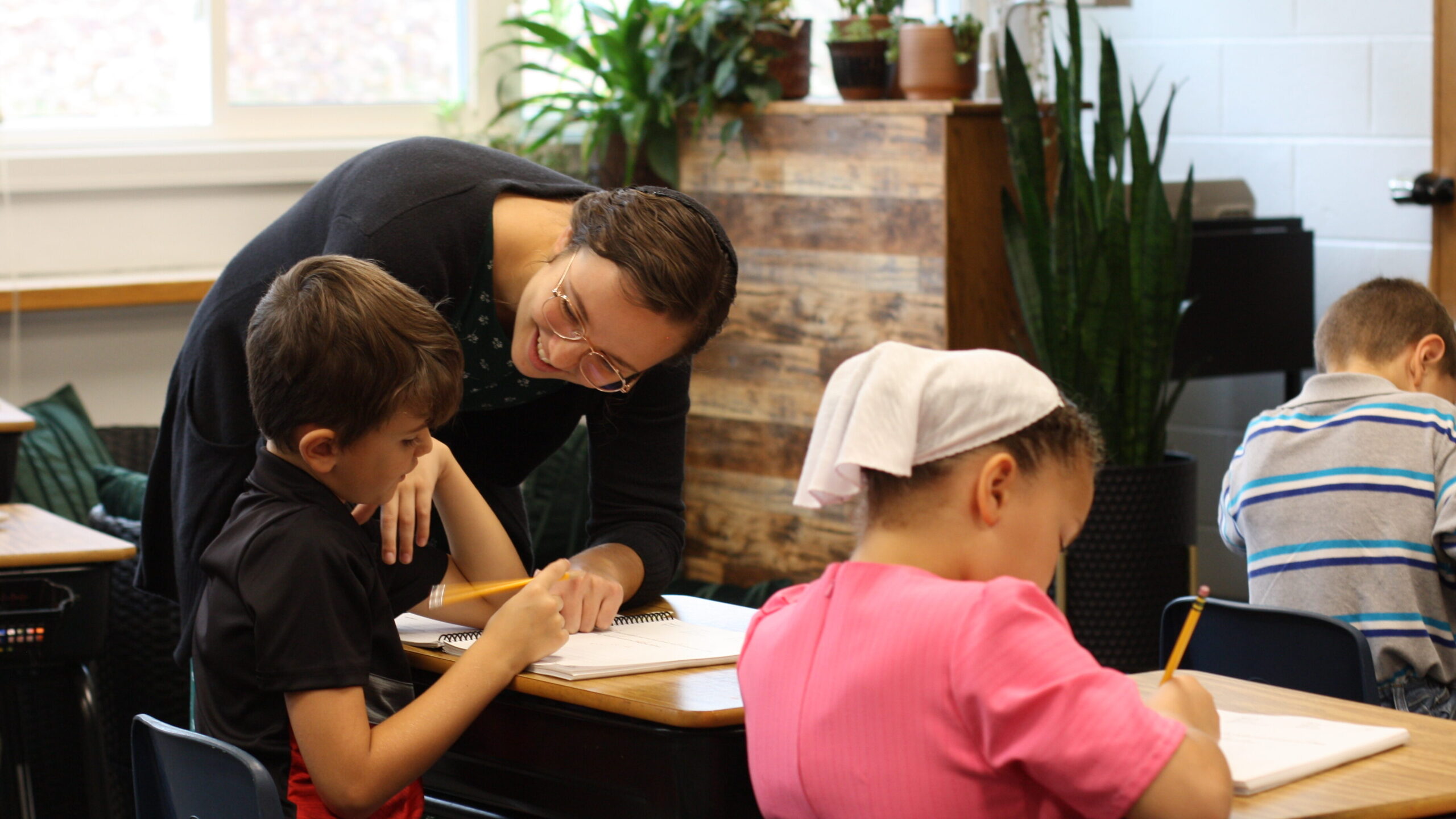
Essentials of Teaching provides a growing list of bullet-point summaries of content for Christian educators. Each guide can be downloaded, printed, or viewed as a webpage and includes links to the resources we used to compile the content.
It is not enough to simply view Christian schools as “the same as secular schools, minus the bad stuff.” It’s not just what we don’t do, it’s what we do do.
So what is the vision of a Christian school? And how does a teacher go about bringing that vision to reality?
Our schools are poised to aid our churches and homes in the call to be the hands and feet of Jesus in the world.
The Foundation of a Christian Education
Jesus stated that the greatest things we can aspire to are to “love the Lord your God with all your heart, with all your soul, with all your mind, and with all your strength, and to love your neighbor as yourself.” The north star of Christian teaching and training, the guiding light for all our decision-making and efforts in raising our children, is love for God and love for one’s neighbor.
The Characteristics of a Christian Education
A Christian education should:
Inspire love for God, commitment to the church, obedience to the Scriptures, and compassion for the poor and needy of society
Be rigorous, preparing students for skillful service as mothers and fathers, farmers, healthcare workers, builders, researchers, and missionaries
Tell and retell the stories of faithful, godly servants, championing the qualities of humility, self-sacrifice, and love
A servant education is others-focused, not self-focused. Instead of asking, “What good is school going to do me?” students (and parents) should learn to ask “How will this enable me to help others?”
Schools that offer a servant education make it their highest priority to foster a culture of love. Teachers should model a contagious love and commitment to Jesus and the church. All students are accepted, and prejudices of race, ethnicity, class, family, aptitude, and attractiveness are overcome with the love that God has for every human being. Respect for teachers and for fellow students, gratefulness, diligence, courtesy, responsibility are also qualities of a God-centered school culture of love.
Effective preparation for participation in God’s mission requires the formation of the whole person. In addition to developing the appropriate knowledge and skills, an effective student education nurtures the desires, character, values, and commitments of a student. A godly education seeks not simply to impart knowledge about servanthood; rather, it emphasizes being and becoming a servant.
Resources and Further Reading
For deeper reading on the topic, these two essays are a collective effort by seven administrators of conservative Anabaptist schools to describe the vision of a Christian school and the methods which can carry that vision out: